
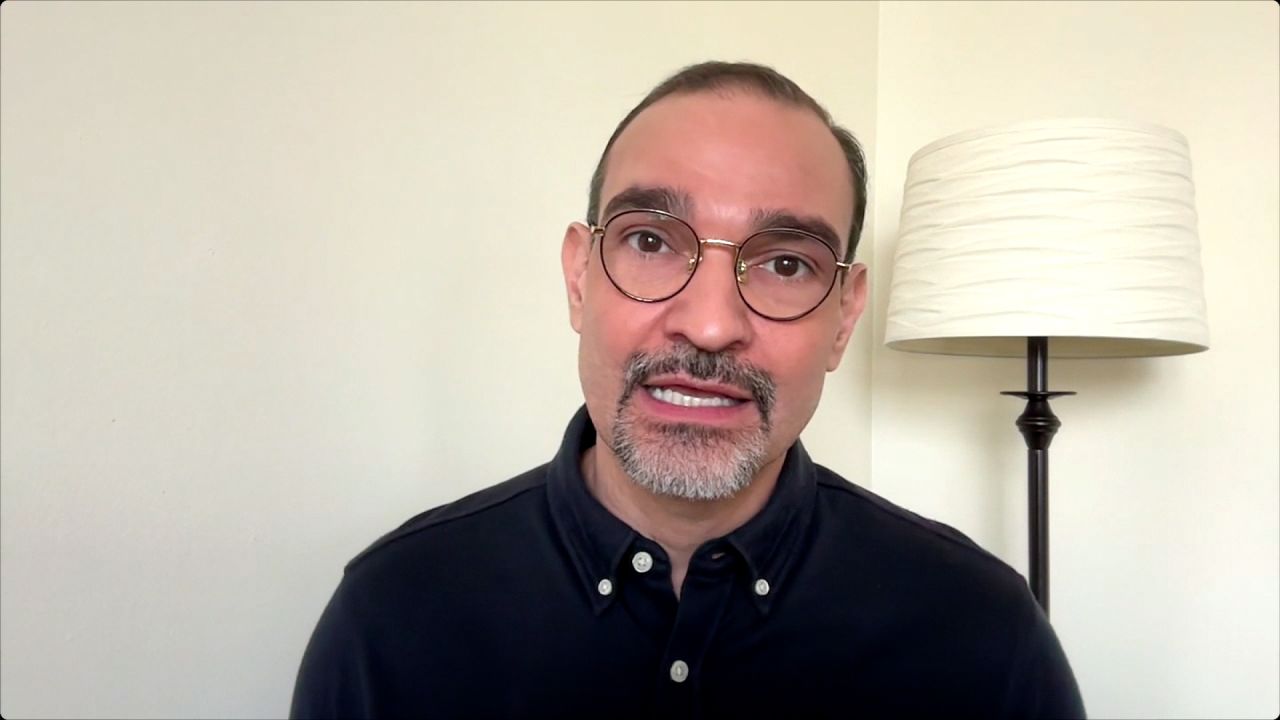
The Pentagon’s recent directive to pause initial training for military recruits living with HIV has sparked significant criticism from various quarters, including prominent activists. Broadway actor and HIV/AIDS advocate Javier Muñoz condemned the decision, asserting that it conveys a message “rooted in bigotry and discrimination” regarding the virus.
In an interview with CNN’s Danny Freeman, Muñoz emphasized the importance of inclusivity within the military. He argued that the suspension undermines the progress made in the fight against HIV/AIDS and stigmatizes those living with the virus. “This is not just a health issue; it’s a matter of human rights,” he stated, highlighting the need for systemic change.
Implications of the Pentagon’s Decision
The Pentagon’s order reflects ongoing tension surrounding the military’s policies on health and inclusivity. The decision to pause training for recruits living with HIV raises concerns about the potential impact on recruitment and retention of talented individuals who are otherwise qualified for military service. With advancements in medical treatment allowing people with HIV to lead healthy lives, Muñoz believes that the military’s stance is outdated and discriminatory.
Advocates for HIV rights have long pushed for policies that promote acceptance and support for individuals living with the virus. The military, as a significant institution, holds the power to either reinforce or challenge societal stigmas surrounding HIV/AIDS. Muñoz’s remarks serve as a reminder of the responsibility that institutions have to foster an environment of equality.
Broader Conversation on Health and Inclusion
The decision has prompted a wider discussion about health policies and their implications for marginalized communities. Muñoz pointed out that the military should reflect the diversity of society, including those living with chronic conditions. “We need policies that protect and empower rather than exclude,” he asserted.
As the conversation unfolds, it remains crucial for all stakeholders to engage in dialogue that prioritizes health equity. The military’s role in shaping perceptions about HIV/AIDS could significantly influence public attitudes and the experiences of individuals living with the virus.
The Pentagon has yet to provide a detailed rationale for the training pause, but the criticism from advocates like Muñoz highlights the urgency of addressing stigma and ensuring that policies are informed by compassion and understanding. A shift towards inclusivity could not only benefit the military but also serve as a powerful statement against discrimination faced by those living with HIV/AIDS.
As this issue continues to develop, the voices of activists and affected individuals will be vital in advocating for change and promoting a more equitable approach within the armed forces.