
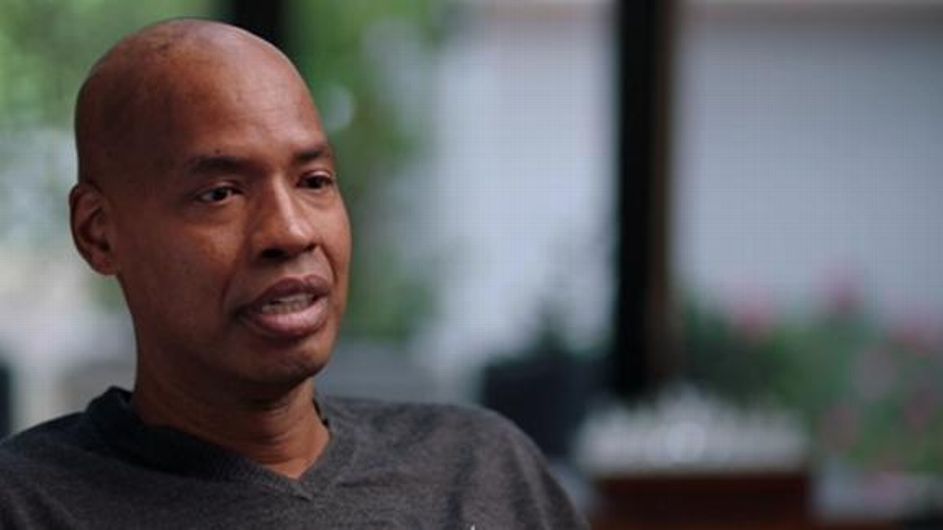
Former NBA player Jason Collins, renowned as the first active openly gay player in league history, publicly revealed his diagnosis of Stage 4 glioblastoma, an aggressive form of brain cancer. His announcement sheds light on the challenges of living with this devastating illness and his determination to fight it.
In a heartfelt statement, Collins shared details about his condition, which progressed rapidly following his marriage to Brunson Green in May 2023. Just months later, during what was planned as a routine trip to the US Open, Collins found himself unable to focus on packing, a sign that something was seriously wrong. After undergoing a CT scan at UCLA, doctors quickly referred him to a specialist, leading to the sobering diagnosis.
Collins described his glioblastoma as “multiforme,” a type characterized by its aggressive growth within the skull. He explained that the tumor encroaches on the frontal lobe, which is vital for personal identity and cognitive function. A biopsy confirmed the presence of glioblastoma, revealing a growth factor of 30%, indicating that the tumor could become life-threatening in a matter of weeks without intervention.
The former athlete reflected on the emotional toll of receiving such dire news. During his hospital stay, he experienced significant cognitive changes, likening his mental state to that of “Dory” from the animated film “Finding Nemo.” Despite the overwhelming situation, he embraced the fight ahead, recalling the resilience he developed throughout his basketball career.
Collins emphasized the importance of community and support during this challenging time. As friends and family visited him in the hospital, they began to formulate a treatment plan. This included the use of Avastin, a drug designed to help manage tumor growth, followed by radiation therapy. Within days of starting treatment, Collins noted improvements, including regaining some mental clarity and the ability to walk.
Seeking innovative solutions, Collins is currently exploring targeted chemotherapy treatments in Singapore, which utilize a delivery mechanism known as EDVs. This approach aims to specifically target glioblastoma cells while bypassing the blood-brain barrier, a significant challenge in cancer treatment. Collins hopes that by pursuing these advanced options, he can extend his life and contribute to future breakthroughs in glioblastoma therapy.
Reflecting on his journey, Collins drew parallels between his battle with cancer and his experience in professional sports. He recalled a conversation with his twin brother, Jarron Collins, who urged him to fight relentlessly against the illness. Collins is determined to approach this challenge with the same tenacity he displayed on the court, stating, “We’re going to try to hit it first, in ways it’s never been hit.”
As Collins navigates this difficult path, he remains hopeful about the potential for his experiences to inspire others facing similar battles. He expressed a desire to share his story openly, recognizing that his visibility as an athlete could help raise awareness about glioblastoma and the importance of fighting against cancer.
With a legacy of breaking barriers and championing authenticity, Collins is committed to facing his diagnosis head-on. He has made it clear that he will not let glioblastoma define him, but instead will focus on the fight for his life, embodying the spirit of resilience that has characterized his journey both on and off the basketball court.