
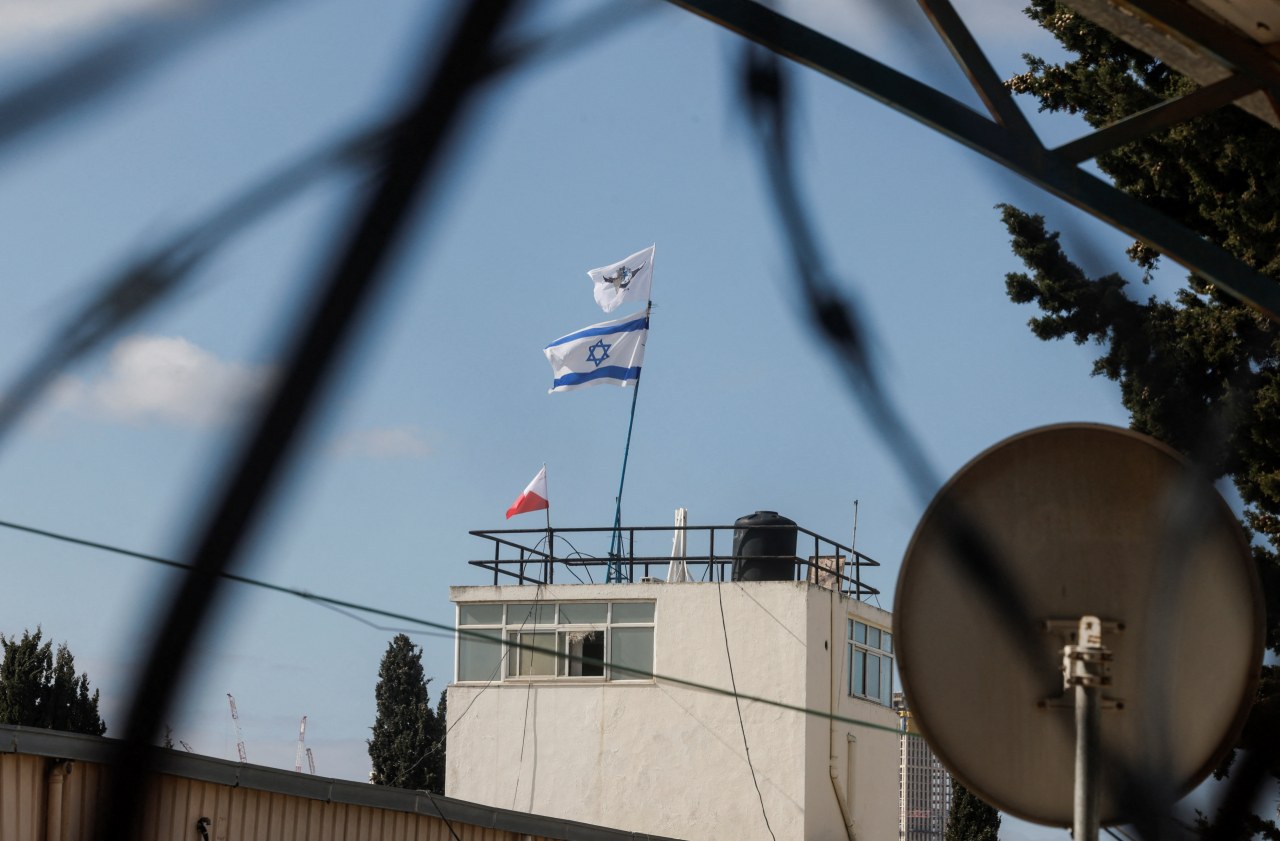
Israeli authorities have begun demolishing structures within the compound of the United Nations Relief and Works Agency (UNRWA) located in East Jerusalem. This action marks a significant escalation in the ongoing conflict between the Israeli government and the organization responsible for providing essential services to Palestinian refugees.
The demolition commenced on September 27, 2023, with Israeli officials citing security concerns and illegal construction as the primary reasons for their actions. The UNRWA, established in 1949, plays a crucial role in delivering humanitarian aid, education, and health services to millions of Palestinian refugees across the region.
Background of the Conflict
The recent demolitions are part of a broader trend of increased tensions between the Israeli government and UNRWA. Israeli leaders have long argued that the agency perpetuates the refugee status of Palestinians, thereby hindering peace efforts. In contrast, UNRWA maintains that its services are vital for the well-being of vulnerable populations.
UNRWA has faced criticism from various quarters, including Israeli officials who assert that the agency has been involved in activities that undermine Israel’s security. In response, the agency has emphasized its commitment to neutrality and its mandate to assist Palestinian refugees, many of whom live in precarious conditions.
As the demolitions unfold, UNRWA has condemned the actions as a violation of international law and a hindrance to its efforts to provide necessary aid. The agency’s spokesperson, Juliette Touma, stated, “This action undermines our ability to deliver services to some of the most vulnerable people in the region.”
Humanitarian Impact and International Response
The demolitions have raised concerns among humanitarian organizations and international observers. Aid workers warn that the destruction of UNRWA facilities could severely impact the delivery of essential services, including education and healthcare, to over 5 million Palestinian refugees.
The international community has reacted with alarm, with several countries urging Israel to reconsider its actions. Various human rights organizations have called for immediate intervention to protect UNRWA’s operations and the rights of Palestinian refugees.
According to the United Nations, more than 80% of Palestinian refugees rely on UNRWA for critical support, including food assistance, healthcare, and educational resources. As tensions rise, the humanitarian crisis in the region is expected to deepen, placing additional strain on the already limited resources available to the affected populations.
The situation remains fluid, with negotiations ongoing between Israeli officials and UNRWA representatives. As the demolitions continue, the potential for further escalation looms, raising questions about the future of aid delivery and the broader peace process in the region.