
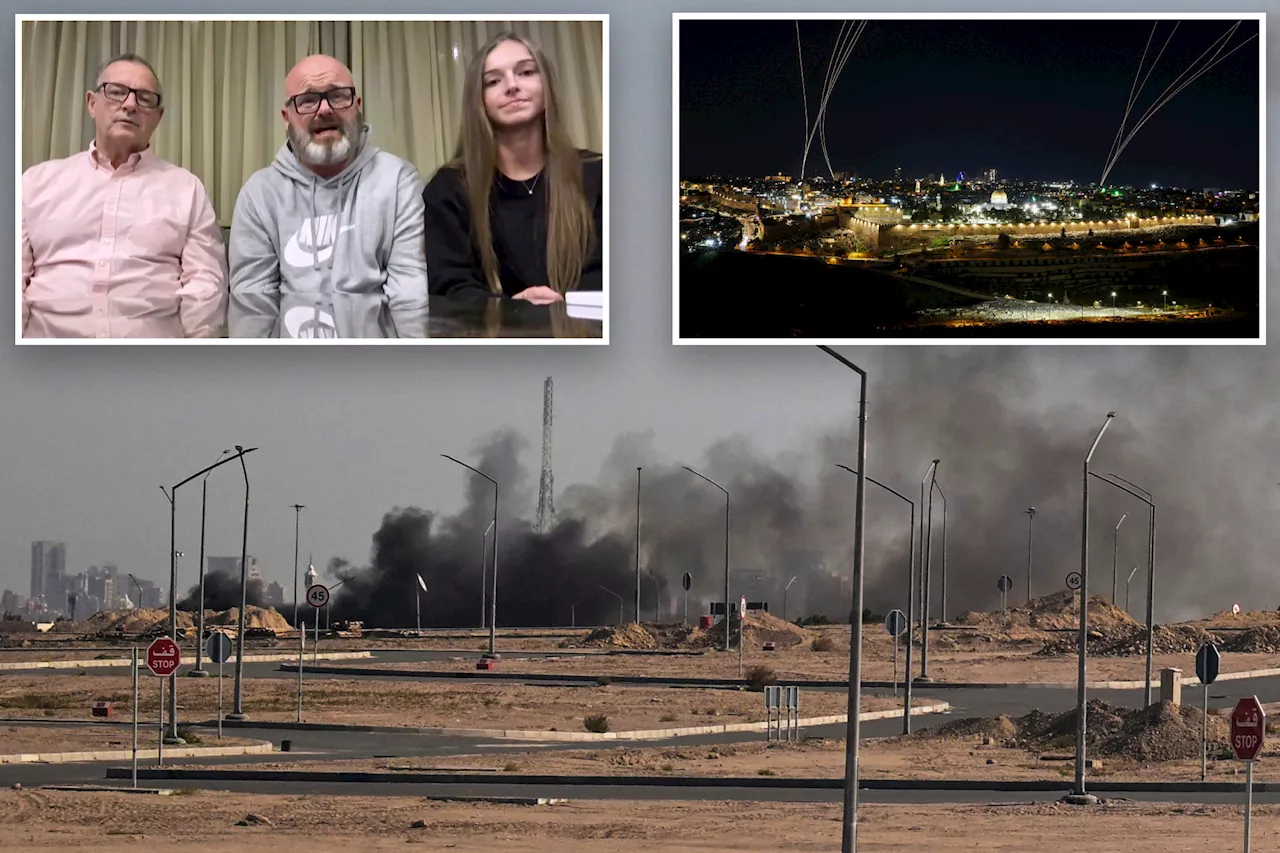
Tensions escalated in the Middle East as the International Atomic Energy Agency (IAEA) confirmed damage to Iran’s Natanz nuclear facility. The agency reported that satellite imagery revealed damage to the entrance buildings of the underground Natanz Fuel Enrichment Plant (FEP). This development comes amidst ongoing military actions involving Iran and its regional adversaries.
Marco Rubio, the United States Secretary of State, reached out to American citizens trapped in the Middle East, urging them to register with the State Department for evacuation assistance. “We need to know where you are,” Rubio emphasized. He highlighted the importance of having contact information to coordinate safe passage for those in need.
The urgency of this appeal is underscored by the ongoing conflict in the region, which has intensified with missile exchanges between Iranian forces and Israel. The U.S. government is exploring various options to facilitate evacuations, including charter flights, military transport, and expanded commercial flight arrangements. Rubio noted that efforts are underway to identify larger aircraft capable of accommodating more passengers.
In a press briefing, Rubio explained the logistical challenges faced by evacuation efforts. “Planes en route to the Middle East have encountered closed airspace, forcing them to turn back,” he stated. He reassured citizens that multiple methods for evacuation would be employed, including land routes to neighboring countries with operational airports.
For Americans seeking consular assistance, the State Department has made resources available 24/7. Citizens can reach out via international lines at +1-202-501-4444 or from within the U.S. and Canada at +1-888-407-4747. Rubio reiterated the necessity of registration, emphasizing that timely communication is essential for effective evacuation coordination.
In addition to the immediate concerns over American citizens, the situation surrounding Iran’s nuclear program continues to draw scrutiny. The IAEA’s confirmation of damage at the Natanz facility raises questions about the stability of the region and the potential implications for international nuclear agreements.
Regional dynamics are further complicated by statements from Iranian officials, including Ayatollah Khamenei, who have vowed to retaliate against perceived aggressors. As the conflict expands, the potential for increased U.S. casualties has been indicated, and military responses from both sides show no signs of abating.
The situation remains fluid, with developments occurring rapidly as diplomatic channels are tested. The U.S. government is committed to providing assistance to its citizens while navigating the complexities of the ongoing conflict. As events unfold, further updates will be critical in evaluating the safety of Americans abroad and the stability of the Middle East.