
Large crowds have gathered in cities across Iran to demonstrate support for the clerical regime as protests against the government intensify. According to state media, people have been seen carrying images of Supreme Leader Ayatollah Ali Khamenei, holding copies of the Quran, and waving flags of the Islamic Republic. In cities like Kerman and Zahedan, demonstrators chanted “Death to America,” reflecting the regime’s ongoing tensions with the United States.
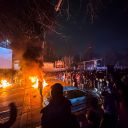
The protests, which have now entered their third week, have resulted in significant violence and unrest. Reports indicate that at least 544 people have lost their lives during the demonstrations, with the Human Rights Activist News Agency (HRANA) confirming the deaths, including eight children. These figures have not been independently verified by CNN, highlighting the challenges of obtaining accurate information due to a state-imposed communications blackout.
As unrest escalates, the Iranian government has called for a nationwide march to occur on Monday at 2 p.m. local time (5:30 a.m. ET). This pro-regime rally is intended to counter what authorities describe as acts of desecration against Islamic symbols by protesters. The regime’s efforts to regain control come as public anger over economic hardships and authoritarian governance continues to fuel dissent.
The situation has drawn international attention, particularly from the United States. President Donald Trump has suggested that his administration is considering various military options in response to the ongoing crisis. While he did not specify what actions could be taken, he noted that the military is evaluating “very strong options” in light of the situation in Iran.
Concerns regarding U.S. involvement have prompted Iranian officials to issue stern warnings of retaliation should military intervention occur. Trump stated that Iran had reached out to negotiate, suggesting that the regime may be seeking to ease tensions. He indicated, “I think they’re tired of being beat up by the United States. Iran wants to negotiate with us,” signaling a potential shift in diplomatic dynamics.
In addition to the rising death toll, HRANA has reported that over 10,681 individuals have been arrested amid the crackdown on dissent. The state’s actions have raised alarms regarding human rights and the treatment of those detained. As a result of the communications blackout, which has lasted over 84 hours, it has been challenging to assess the full scope of the protests and the government’s response.
Demonstrations have also spread beyond Iranian borders. In a recent incident in Los Angeles, the driver of a U-Haul truck was detained after driving through a crowd of anti-Iranian government protesters. Video footage captured a man atop the truck, which bore messages opposing the Iranian regime. The incident underscores the widespread discontent among Iranian expatriates regarding the situation back home.
Despite the restrictions on communication, videos have surfaced showing the anguish of families mourning their loved ones killed in the protests. Clips from the Kahrizak Forensic Medical Center reveal crowds gathering to identify victims among dozens of bodies. Many mourners openly expressed their grievances, chanting slogans such as “Death to Khamenei,” highlighting the growing call for accountability from the regime.
As the Iranian government faces unprecedented challenges, the situation remains fluid. The international community continues to monitor developments closely, with significant implications for regional stability and human rights. The coming days will be crucial as both the Iranian regime and its challengers navigate the precarious landscape of public sentiment and international pressure.