
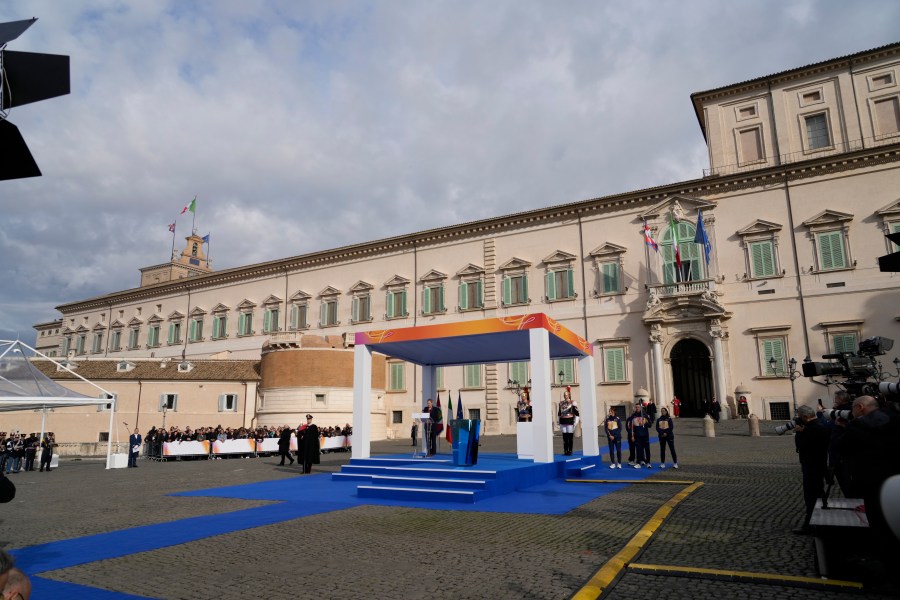
The International Olympic Committee (IOC) has recommended that sports governing bodies allow youth teams and athletes from Russia and Belarus to compete under their national flag and anthem. This decision marks a significant step toward the reintegration of both countries into the international sports community. The announcement was made during an Olympic Summit held on October 26, 2023, in Lausanne, Switzerland.
In the wake of the ongoing conflict in Ukraine, the IOC had previously imposed sanctions on Russian and Belarusian athletes, preventing them from participating in various international competitions. However, the updated guidance indicates a shift in the IOC’s stance, reflecting a desire to foster inclusion within the sporting world. The recommendation specifically targets youth teams, suggesting a focus on the next generation of athletes.
The IOC emphasized that allowing these athletes to compete with their full national identities could promote solidarity and cultural exchange. The governing bodies of respective sports are now encouraged to review their policies in light of this new guidance. This development comes as part of the IOC’s broader strategy to promote peace and unity through sports, even amid geopolitical tensions.
Critics of the IOC’s decision have raised concerns about the implications of reintegrating Russia and Belarus into international athletics, particularly regarding the ongoing situation in Ukraine. Many argue that allowing these countries to showcase their national symbols could undermine the spirit of solidarity that international sports aim to promote. The IOC, however, maintains that sport should remain separate from politics.
As the world prepares for upcoming competitions, including the 2024 Summer Olympics in Paris, the IOC’s call to action places pressure on various sports organizations to make decisions regarding their policies on athletes from Russia and Belarus. The final outcomes remain to be seen, as each governing body will assess the implications of this recommendation based on their respective contexts.
The IOC’s announcement reflects its ongoing efforts to balance inclusivity with the complexities of global politics. By encouraging youth athletes to represent their countries, the IOC aims to nurture sportsmanship and international camaraderie, despite the tumultuous backdrop of current events.
With the spotlight now on the international sports community, the coming months will be crucial in determining how this guidance will be implemented and what it means for the future of Russian and Belarusian athletes on the global stage.