
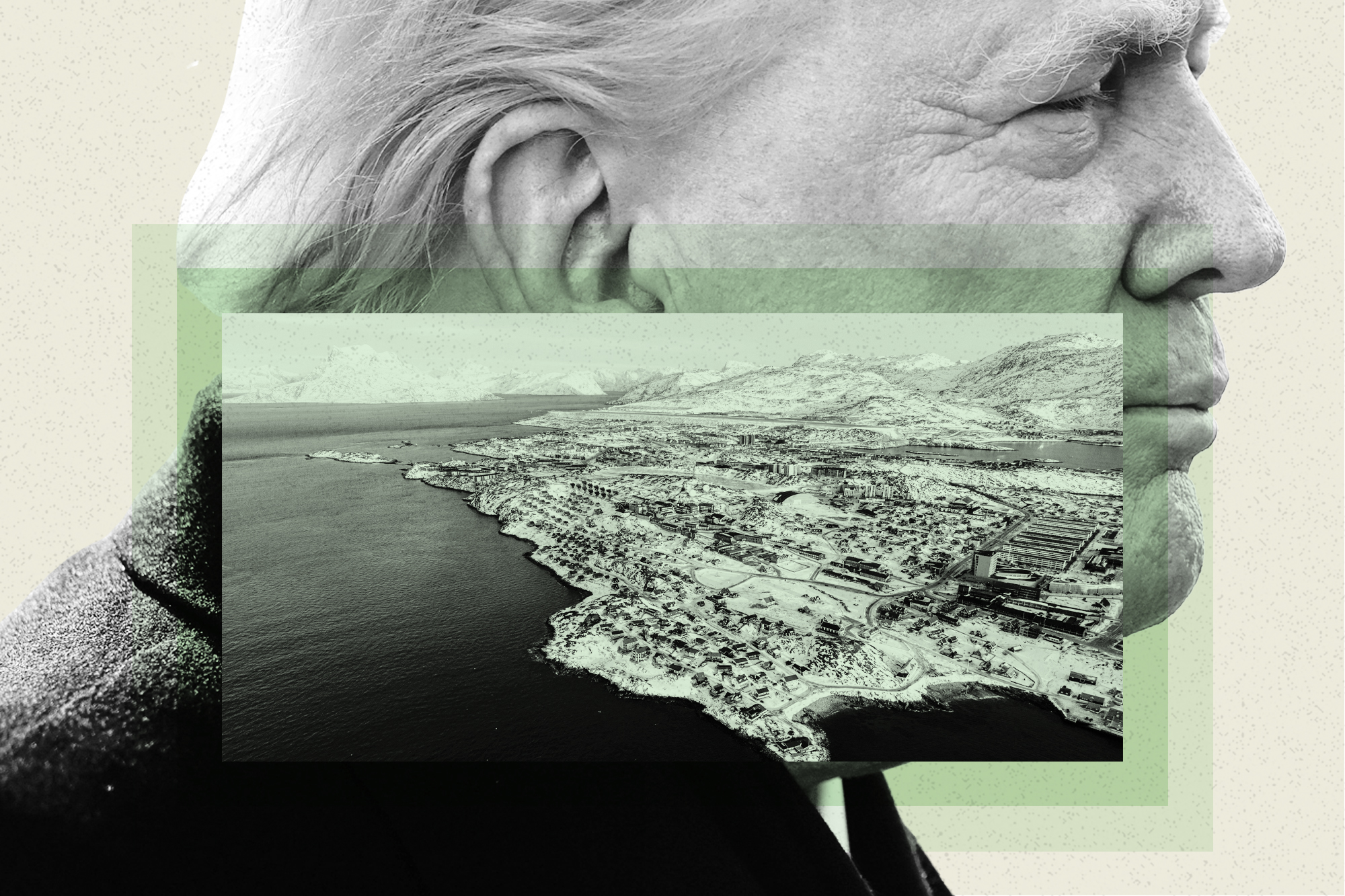
The diplomatic world reacted with a mix of frustration and humor when former President Donald Trump expressed interest in acquiring Greenland from Denmark in July 2019. Internal cables from the U.S. State Department, obtained by POLITICO, reveal the concerns of both allies and adversaries as they observed the unusual proposal unfold.
In his pursuit of the Danish territory, Trump raised eyebrows not only in the United States but also across Europe. The discussions surrounding the potential purchase sparked a wave of reactions, with some officials finding the notion comical while others considered it a serious diplomatic misstep. The cables paint a picture of a diplomatic landscape grappling with the implications of such a proposal, highlighting a mix of aspirations and frustrations among U.S. allies.
The cables also indicate that the proposal was not merely a whimsical notion but part of Trump’s broader foreign policy strategy. Diplomats expressed concern that the acquisition could undermine NATO alliances and create a rift within the European Union. The idea of purchasing Greenland was perceived as a challenge to the longstanding diplomatic norms that govern international relations.
Despite the pushback, Trump continued to assert his interest in the territory, even suggesting that Denmark’s rejection of the idea was akin to a divorce. This statement prompted further diplomatic discussions, as officials scrambled to manage the fallout from Trump’s comments. The tension reflected in the cables underscores the challenges faced by U.S. diplomats in navigating a world where unconventional approaches to foreign policy were becoming more commonplace.
Denmark’s response to the proposal was firm. The Danish Prime Minister, Mette Frederiksen, dismissed the idea, calling it “absurd.” Her reaction reinforced the notion that Greenland, though strategically significant, is not for sale. This dismissal only fueled Trump’s desire to pursue negotiations, revealing a deep-seated belief in the potential benefits of the territory, including its natural resources.
The internal communications from the State Department also shed light on the concerns of various factions within the U.S. government. Some officials worried that the Greenland proposal would detract from more pressing diplomatic issues, while others saw it as an opportunity to bolster U.S. influence in the Arctic region. The cables illustrate the complexities of balancing domestic political aspirations with international diplomatic relations.
As the story developed, it became clear that the Greenland proposal was emblematic of a larger trend in U.S. foreign policy under Trump, characterized by a transactional approach to diplomacy. This shift raised questions about the future of traditional alliances and partnerships, as allies sought to understand the motivations behind such proposals.
In conclusion, the cables obtained by POLITICO provide a rare glimpse into the internal deliberations of U.S. diplomats during a time of significant political upheaval. The reaction to Trump’s Greenland proposal serves as a case study in modern diplomacy, demonstrating how unconventional ideas can reverberate through international relations. The fallout from this episode continues to influence discussions about U.S. foreign policy and the importance of maintaining strong alliances in an increasingly complex global landscape.