
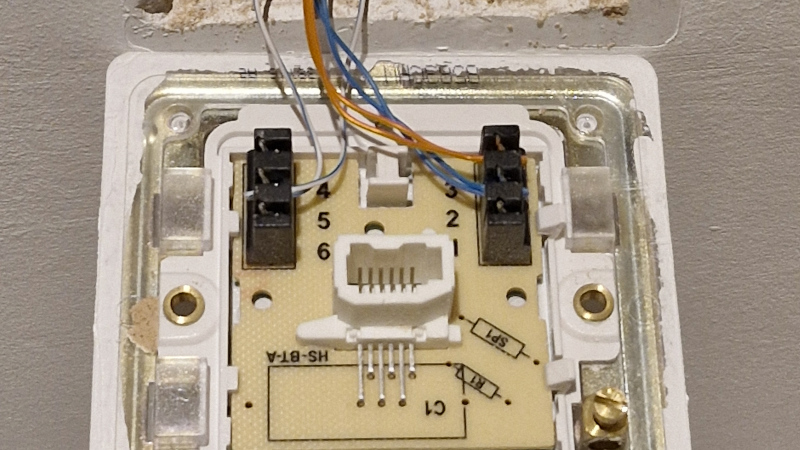
The decline of traditional copper phone lines has prompted innovative thinkers to explore alternative networking solutions. Over the past couple of decades, the evolution from corded landline phones to mobile devices has led to the obsolescence of copper infrastructure in many homes. As Digital Subscriber Line (DSL) connections gradually give way to fiber optics, a unique approach has emerged from a tech enthusiast known as TheHFTguy. He proposes utilizing existing phone wiring for Ethernet connections, tapping into a resource that many have overlooked.
While TheHFTguy suggests using specialized network boxes sourced from Germany, the real intrigue lies in his recommendation to apply the same technology as mains networking. Mains network plugs are readily available, yet their effectiveness can be hampered by interference from noisy power lines. This raises an interesting question: can a low-cost mains networking plug separate its networking capabilities, essentially a set of radio frequency (RF) subcarriers, from its mains power supply?
As the conversation continues online, many are curious about the practicalities of this approach. Could it be possible to achieve a reliable Ethernet connection at a fraction of the typical cost? The potential for repurposing old infrastructure not only highlights the adaptability of technology but also points to a growing trend of maximizing existing resources in the face of modern advancements.
Innovators and tech enthusiasts are encouraged to weigh in on this idea. Has anyone attempted to implement such a solution? The exchange of ideas could lead to further exploration and development in this area. As technology continues to advance, the need for affordable and effective networking solutions remains crucial.
Through this shift in perspective, the future may hold new possibilities for those looking to enhance their home networks without investing in expensive infrastructure upgrades. As the conversation unfolds, it remains to be seen whether this proposal will gain traction among tech-savvy individuals eager to experiment with alternative connectivity methods.