
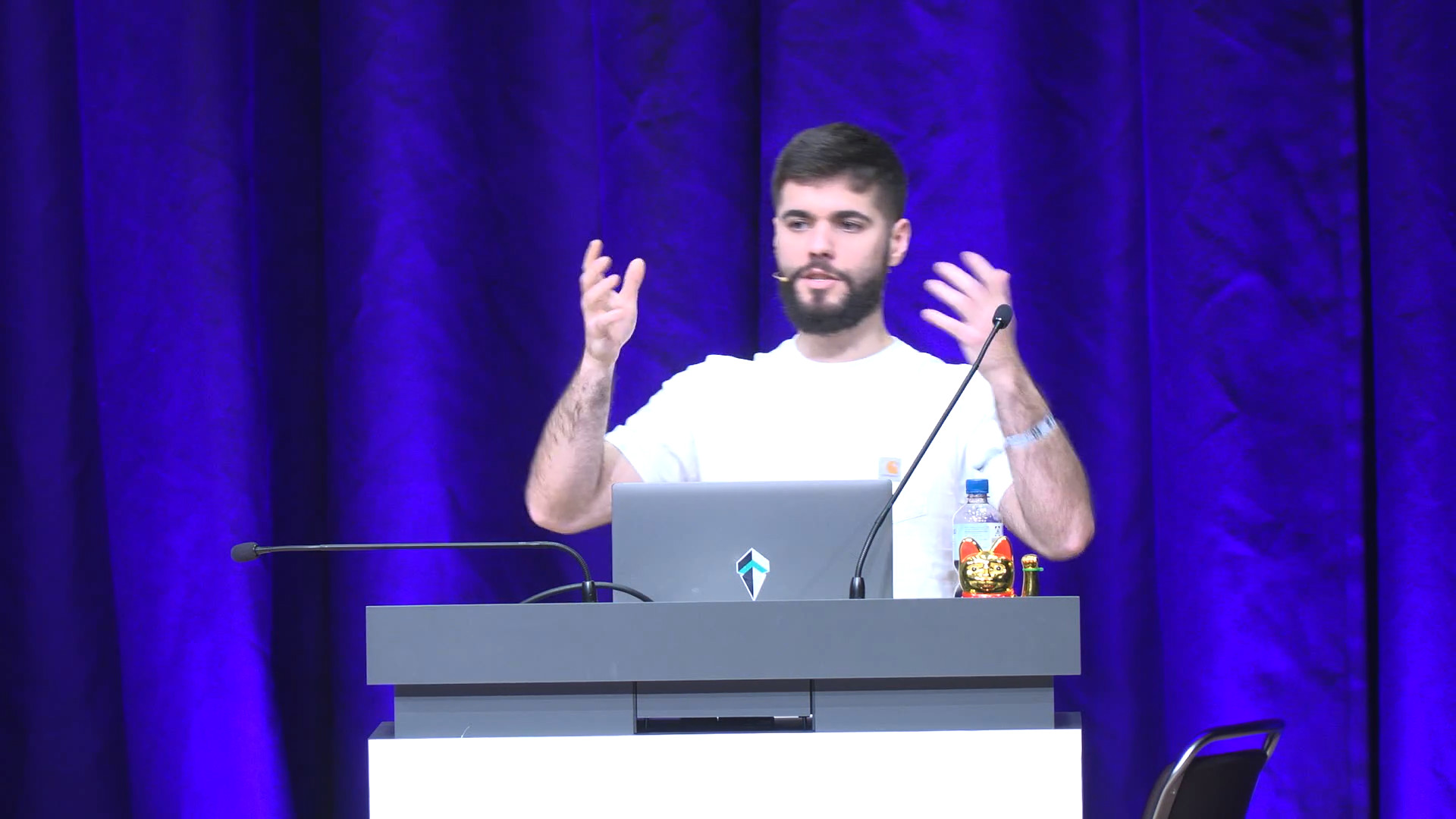
The recent presentation at the Chaos Communication Congress showcased groundbreaking work by innovator Anton on liberating Bluetooth functionality within the ESP32 microcontroller. His project focuses on reverse engineering Bluetooth libraries to gain deeper insights into the Bluetooth communication process, which is often obscured behind proprietary protocols.
Bluetooth technology is ubiquitous, yet it remains challenging to inspect due to its reliance on a specific Host-Controller Interface (HCI) protocol. Most interactions with Bluetooth devices are mediated through binary libraries that communicate using tailored HCI dialects. By meticulously investigating these libraries, Anton aims to enhance control over Bluetooth operations and improve the overall understanding of wireless communication.
During his presentation, Anton detailed how this reverse engineering effort led to significant transparency regarding the internal mechanisms of Bluetooth binaries. He successfully demonstrated the capability to transmit and receive data, which is a crucial step toward developing more robust Bluetooth security tools. Although he did not create a complete Bluetooth stack, Anton indicated that such a project is feasible, albeit potentially overwhelming for a single developer.
As a result of his work, Anton achieved low-level control of the Bluetooth controller within the ESP32, which supports both classic and low-energy Bluetooth. This control offers valuable opportunities for security researchers focusing on Bluetooth vulnerabilities. For instance, Anton found a method to send arbitrary packets, paving the way for the creation of a Bluetooth fuzzing tool.
Despite these advancements, Anton faced limitations, such as a sequence ID that prevents his system from functioning as a fully promiscuous Bluetooth monitor. Nevertheless, his findings significantly expand the potential for future research and development in the field of Bluetooth technology.
For those interested in delving deeper into Anton’s work, he has made his findings available through a GitHub repository, which includes detailed documentation, register descriptions, and additional resources. While his current project does not yet offer a plug-and-play Bluetooth tool, it lays essential groundwork for future innovations in Bluetooth hacking.
In summary, Anton’s efforts shine a light on a critical yet often overlooked aspect of everyday technology. His work promises to enhance security measures and foster further exploration into the intricacies of Bluetooth communication, an area that remains vital in an increasingly connected world.