
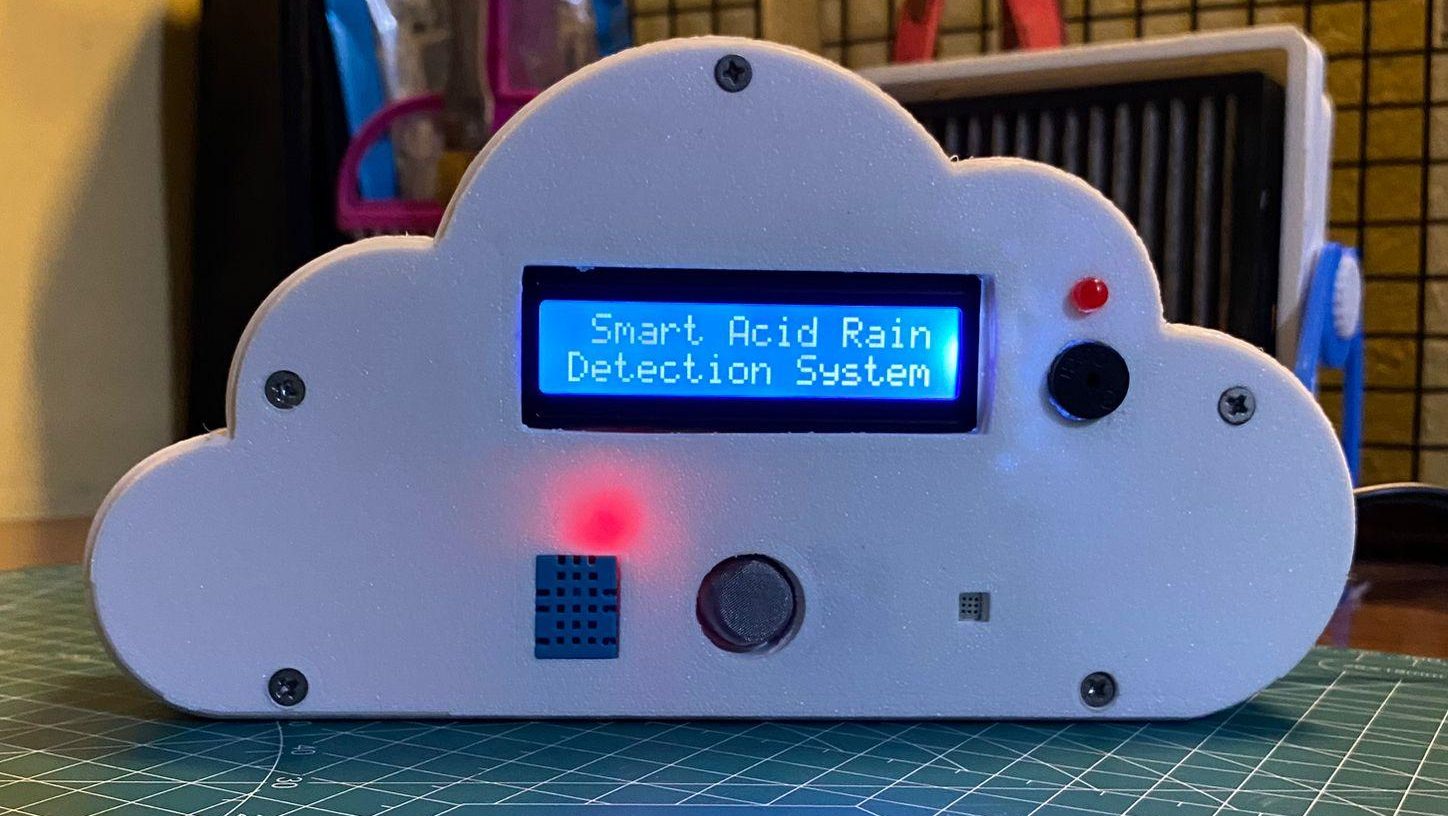
A novel sensor device developed by Mohammad Nihal aims to predict acid rain, a phenomenon that can have detrimental effects on the environment and infrastructure. Acid rain occurs when sulfur dioxide (SO2) or nitrogen dioxide (NO2) combines with moisture in the atmosphere, resulting in the formation of sulfuric or nitric acid. This low-pH precipitation can damage ecosystems, erode buildings, and adversely affect public health.
The device, which is built around an Arduino Nano, utilizes an MQ-136 gas sensor to monitor SO2 levels and an unspecified MEMS-based sensor for NO2. Additionally, a DHT11 temperature and humidity sensor is included to account for moisture content, which plays a crucial role in acid rain formation. The Arduino processes data from these sensors and employs a predictive algorithm to generate an “Acid Rain Risk Score.” This score is displayed on a 16×2 character LCD, providing users with valuable insight into potential acid rain conditions.
Functionality and Limitations of the Sensor Device
The innovative sensor device is encased in a 3D printed enclosure designed to resemble a cloud, adding a whimsical touch to its functionality. Despite its creative design and useful features, there are notable limitations. The device’s sensors are located indoors, which may compromise their ability to accurately measure atmospheric SO2 and NO2 levels at the altitudes where rain develops. Consequently, while the basic concept of predicting acid rain is sound, further research and upgrades could enhance its reliability and accuracy.
The project’s potential impact extends beyond academia, as acid rain poses a significant threat to various sectors, including agriculture, architecture, and public health. By providing a means to predict such environmental hazards, this sensor device could help institutions, particularly those with valuable outdoor structures like universities, to take preventive measures against the damaging effects of acid rain.
With ongoing advancements in sensor technology and data processing, the future holds promise for improved accuracy and functionality in predicting acid rain. Continued research in this area may lead to more sophisticated devices capable of providing real-time predictions and alerts, ultimately contributing to better environmental stewardship.