
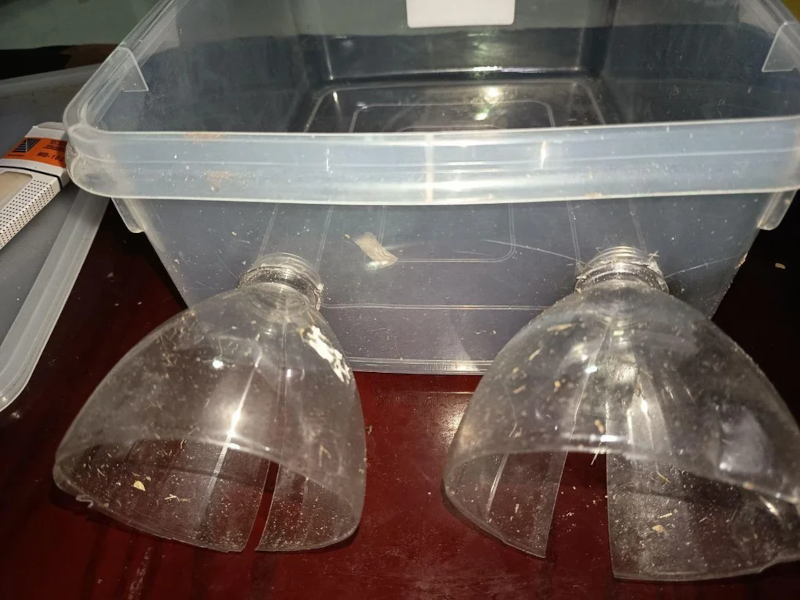
A new environmental monitoring project has demonstrated that the technology required for effective sensors and computing is readily available, but the challenge lies in how to package these systems effectively. The project, utilizing a combination of recycled plastic containers and off-the-shelf components, shows promising results in environmental data collection.
The heart of the monitoring system is the Raspberry Pi Pico W, which provides the necessary processing power and connectivity. This compact device is complemented by a robust power bank battery, enabling the project to function efficiently. The system includes standard sensors that measure various environmental factors, such as magnetic fields to track anemometer spins, as well as air quality, temperature, and humidity levels.
Innovative Design Using Recycled Materials
A notable feature of this project is the use of recycled plastic containers to house the electronic components. This choice not only supports sustainability but also demonstrates how everyday materials can be repurposed for advanced technological applications. The protective tub integrates PVC pipe and plastic covers for the sensors, which resemble the tops of common drink bottles, showcasing a practical and creative approach to design.
Despite its innovative construction, the device has limitations. The internal battery bank lacks a recharging provision, which means it can operate for approximately two days before requiring maintenance. Depending on the user’s specific needs, this might be an acceptable trade-off, but it may also necessitate the development of alternative power solutions to ensure continuous monitoring.
Comparison to Established Monitoring Systems
While this environmental monitor is a step forward in accessibility and cost-effectiveness, it may not match the performance of more traditional systems, such as the Hoffman box-style container. These established designs are known for their superior protection against environmental elements, raising questions about the long-term viability of the new approach.
As environmental concerns continue to grow, projects like this one highlight the potential for affordable, user-friendly monitoring systems. With further refinements and potential enhancements, such systems could become vital tools for researchers and enthusiasts alike in the quest to better understand and protect our environment.