
IEEE Spectrum has unveiled its annual tech forecast for January 2026, highlighting groundbreaking innovations poised to reshape various industries. The focus remains on less-publicized projects that promise to address critical challenges and enhance human well-being. This year’s selection features advancements in energy storage, medical technology, and wildfire management, showcasing the potential for significant impact across multiple sectors.
Revolutionizing Energy Storage
One of the standout innovations comes from Energy Dome, a Milan-based startup that has developed a “bubble battery” capable of storing up to 200 megawatt-hours of energy. Located in Sardinia, this technology compresses and decompresses pure carbon dioxide within an inflatable dome, offering a modular and easily deployable solution for energy storage. Senior Associate Editor Emily Waltz emphasizes the potential for this technology to support the increasing demands of AI data centers, which require efficient energy solutions.
In a related story, Senior Editor Samuel K. Moore explored competition among startups developing radio-based cables intended to replace traditional copper and fiber optic connections in data centers. These new systems can connect processors up to 20 meters apart while consuming only one-third of the power and cost compared to existing optical-fiber solutions. This advancement promises to integrate directly with GPUs, addressing cooling challenges in data centers as they scale.
Advancements in Medical Technology
In the medical field, HistoSonics is making strides with its noninvasive ultrasound technology aimed at treating pancreatic cancer. This aggressive form of cancer, which claims nearly 500,000 lives annually, is targeted using focused ultrasound to create cavitation bubbles that destroy tumors without damaging surrounding tissue. The company is wrapping up kidney trials and launching new trials focused on pancreatic cancer, showcasing its commitment to innovative cancer treatment.
Another notable project featured in this issue is the Wildfire XPrize, which aims to develop technologies that can detect and extinguish wildfires more effectively than current methods. Journalist Robb Mandelbaum reports on teams participating in this competition, which seeks to provide life-saving interventions before wildfires escalate. This initiative follows the success of Zipline, which has revolutionized medical supply delivery with autonomous drones, achieving a market cap of approximately US $4 billion and completing nearly 2 million deliveries across several countries.
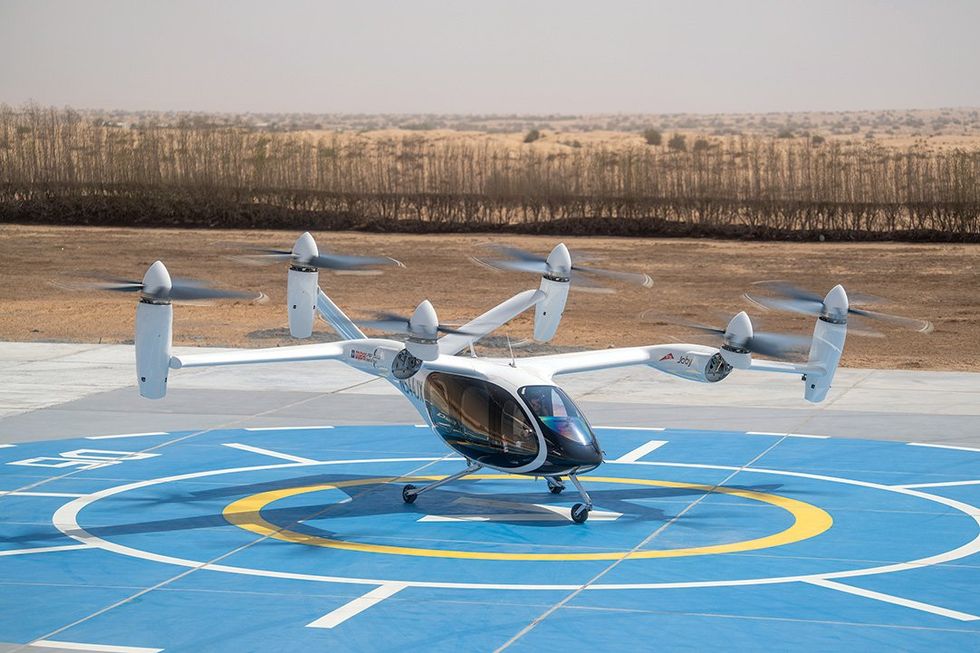
In addition to these prominent innovations, the latest issue of IEEE Spectrum highlights several other emerging technologies, such as Porsche’s wireless home charger for electric vehicles, the world’s first electric air taxi service, and advancements in quantum computing. These developments underscore the dynamic nature of technological progress, with numerous projects poised to make significant impacts in the near future.
As the landscape of technology continues to evolve, IEEE Spectrum remains committed to uncovering the hidden gems that contribute to the advancement of technology for the benefit of humanity. This year’s selection reflects a diverse array of innovations that could very well define the future.