
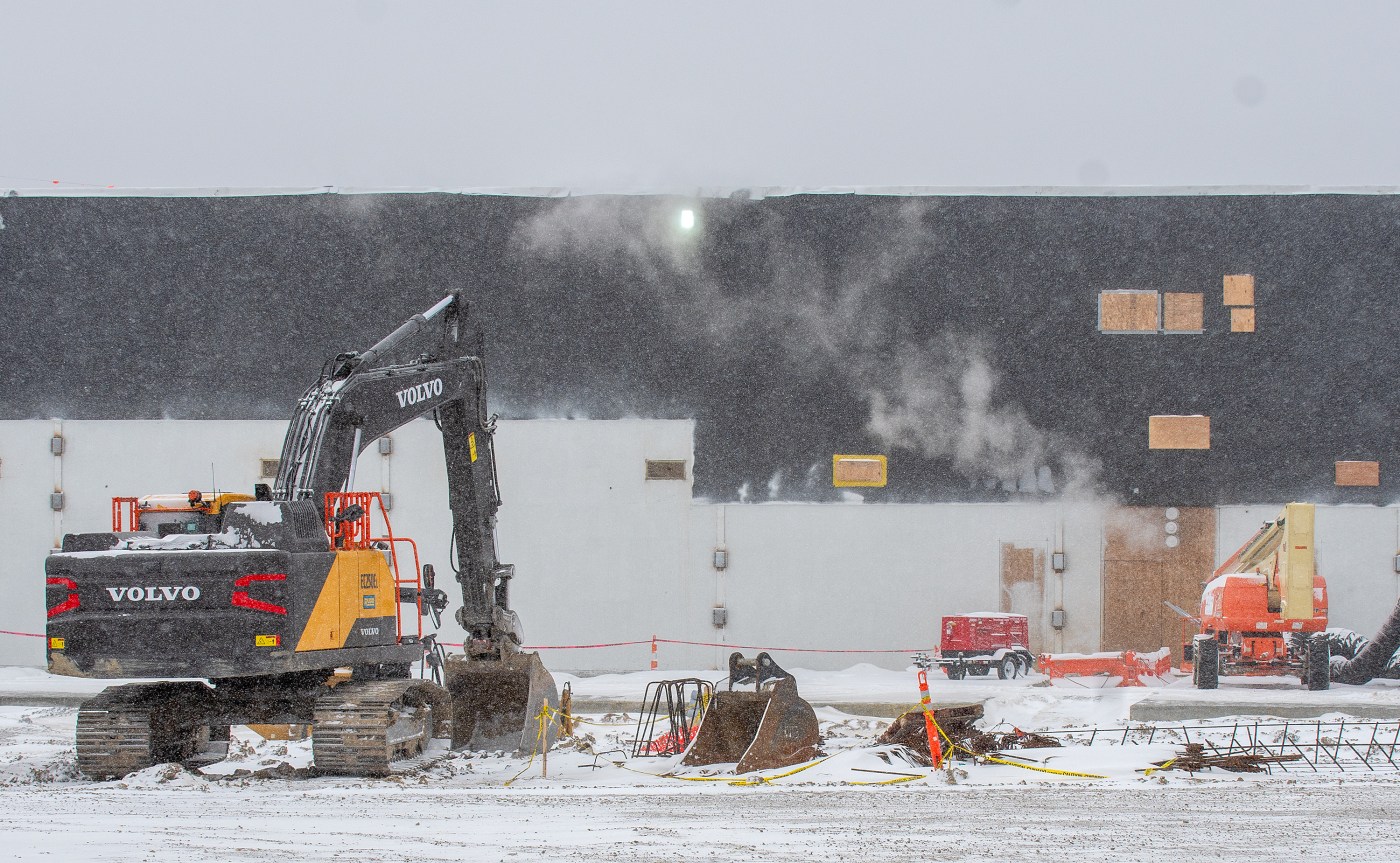
Indiana’s electricity consumption is set to undergo a significant transformation, with data centers projected to account for more than 20% of the state’s total electricity usage by 2030, according to a recent report by the Electric Power Research Institute (EPRI). This forecast indicates a substantial increase in demand as these facilities expand rapidly across the state.
The EPRI report, released on February 26, 2024, employs state-level data on operational capacity, ongoing construction, and planned developments to create scenarios predicting data center growth. Tom Wilson, EPRI’s principal technical executive, noted, “The growth is coming… It’s been happening for a couple of years, and I think everybody’s planning to get ahead of the issue and take advantage of the opportunity.”
The report outlines two scenarios for data center growth in Indiana. The low-growth scenario suggests that most projects currently under construction and a quarter of those in advanced planning will be operational by 2030. In contrast, the high-growth scenario assumes that all current projects, along with 30% of those in early planning stages, will be fully operational by the same year.
Concerns about the impact of this growth on residential customers were voiced by local advocates. The report indicates that data centers could account for nearly 30% of Indiana’s electrical usage, prompting questions about how this surge will affect everyday consumers.
According to EPRI, data centers are expected to consume between 9% and 17% of the total electricity in the United States by 2030, a significant increase from the current 4% to 5%. This projection is approximately 60% higher than estimates made in EPRI’s previous report in 2024. Due to the lack of reported power demand from data centers, EPRI had to rely on estimates, with the only major exception being Meta, which publicly discloses its energy consumption.
Several high-profile data center projects are currently underway in Indiana. An $832 million facility is under construction in Michigan City, with local speculation indicating a potential partnership with Google. Additionally, Amazon Web Services announced plans for a data center in Hobart as part of a broader $12 billion investment in Northwest Indiana. Lake County officials are also considering a proposal from Sentinel Data Centers, a New York-based company, to develop a data center on 160 acres near Lowell.
Wilson emphasized that the data used for the report came from multiple sources, including construction data and industry resources, to accurately gauge the projected demand. He highlighted that Indiana is witnessing more data center growth than ever before, with many facilities under construction statewide.
As the demand for electricity grows, concerns arise about whether the supply chain can adequately support this shift. Wilson pointed out that utilities will need to increase their peak capacity to accommodate the constant energy needs of data centers, which require power every hour of every day.
Ben Inskeep, program director for the Citizens Action Coalition, expressed skepticism regarding EPRI’s findings, suggesting that the 20% estimate may be too conservative. He referenced a report from the State Utility Forecasting Group, which predicted that approximately 66,000 of the 160,000 gigawatt hours of electricity consumption by 2030 would come from data centers. Inskeep raised alarms about the potential impact on residential customers and the rising costs associated with these developments.
Ashley Williams, executive director of Just Transition Northwest Indiana, echoed these concerns, stating that EPRI’s report confirms her fears that data centers will consume a significant portion of Indiana’s energy in the coming years. She highlighted the struggles of local residents to afford their utility bills and pointed to a federal order mandating the operation of the R.M. Schahfer generating station to ensure reliable electricity supply during peak demand periods.
In response to these concerns, NIPSCO, Indiana’s utility provider, stated that it prioritizes the affordability and reliability of energy for its existing customers. The utility has developed a model called GenCo, designed to ensure that costs associated with new data center developments do not shift onto residential consumers. This model requires data center clients to fully fund the infrastructure necessary for their operations.
NIPSCO’s commitment to this model is evident in its plans for the Amazon deal, which includes developing 3,000 megawatts of new dispatchable resources to support the energy needs of up to 2,400 megawatts for Amazon’s operations. The utility asserts that this approach will not adversely impact the reliability or costs for current customers while supporting the burgeoning demand for digital infrastructure in Indiana.
The rapid expansion of data centers in Indiana presents both opportunities and challenges. As the state prepares to meet the growing energy demands, it will be essential to balance the needs of commercial interests with those of residential customers to ensure a sustainable and reliable energy future.