
URGENT UPDATE: A new report reveals that data centers in Indiana could consume over 20% of the state’s electricity by 2030. This alarming forecast from the Electric Power Research Institute (EPRI) highlights a surge in energy demand that has significant implications for residents and local infrastructure.
As data centers proliferate, EPRI’s principal technical executive, Tom Wilson, warns, “The growth is coming.” Authorities are scrambling to address the energy needs that could escalate dramatically in the coming years. The report, released on February 26, indicates that data centers could account for nearly 30% of Indiana’s electricity usage, raising concerns about potential impacts on residential customers.
The EPRI study presents two scenarios: a low-growth scenario where most projects currently under construction will be operational by 2030, and a high-growth scenario encompassing all projects in advanced planning stages. These projections represent a staggering increase from about 4-5% of national electricity consumption in 2023 to between 9-17% by 2030.
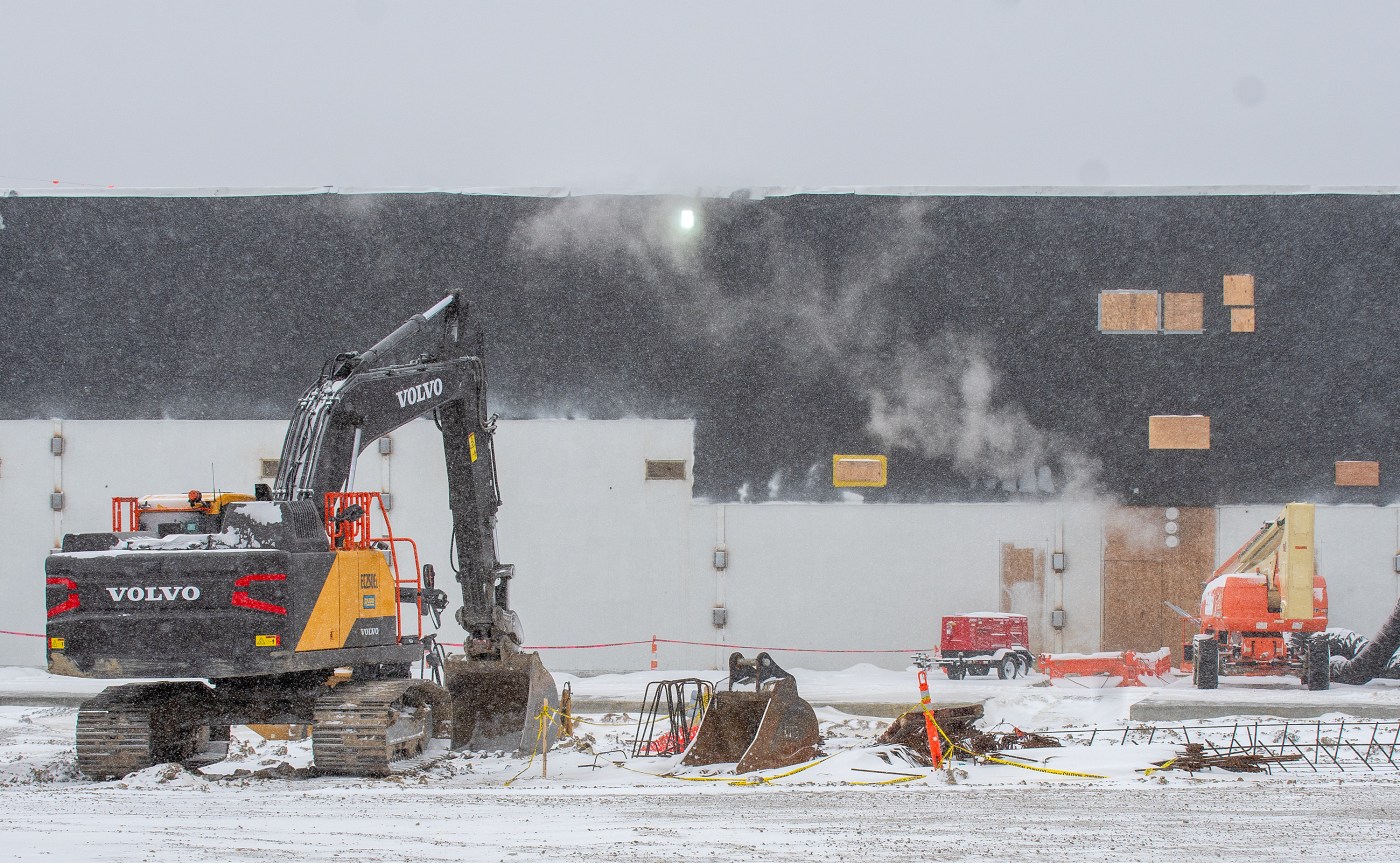
In Indiana, an $832 million data center is under construction in Michigan City, with residents speculating it might be a project by Google. Furthermore, Amazon Web Services recently announced plans for a new data center in Hobart as part of a vast $12 billion investment across Northwest Indiana.
The implications are severe. Advocates express fears about soaring electricity costs and the environmental impact of such rapid growth. Ben Inskeep, program director for the Citizens Action Coalition, stated, “The load is kind of outpacing the ability for developers to build new sources of generation.” He stressed the urgent need for a reliable electrical grid to handle this sudden increase in demand.
The EPRI report also emphasizes the need for a mix of energy sources to support this growth, with natural gas currently dominating the landscape. However, should data centers seek 24/7 carbon-free energy, a shift towards renewable and battery energy will be paramount.
Community leaders are alarmed. Ashley Williams, executive director for Just Transition Northwest Indiana, expressed her concerns, stating, “This is energy that our communities and economy rely on every single day.” Residents are already struggling with rising utility bills, and the demand from data centers could exacerbate these issues.
In response to the growing concerns, NIPSCO, the local utility provider, assures that it has measures in place to protect current customers. The utility reported that any data center development will not shift costs to residential users through their innovative GenCo model. This approach ensures that large energy-intensive customers fully fund the infrastructure needed for their operations.
As Indiana braces for this potential energy crisis, the urgency for regulatory frameworks and strategic planning is clearer than ever. With the construction of data centers accelerating statewide, stakeholders are urging for immediate action to ensure that both residents and businesses can access affordable and reliable electricity.
WHAT’S NEXT: The state will likely witness ongoing discussions regarding the electrical grid’s capacity to support this unprecedented growth. As data centers continue to rise, the focus will shift toward sustainable energy solutions and the necessary infrastructure to meet the demands of the future. Experts predict that questions will arise about whether the supply chain can keep up with the impending energy needs.
Stay informed as we bring you the latest developments on this critical issue impacting Indiana’s energy landscape.