
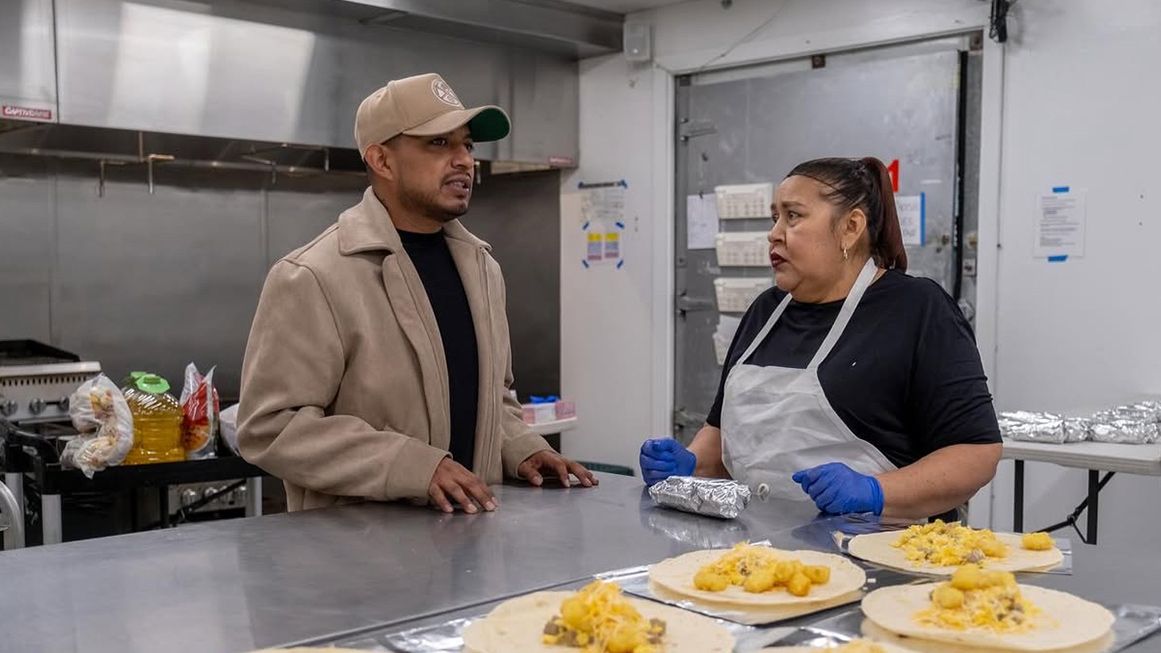
Entrepreneurs like Alejandro Flores-Muñoz are navigating a precarious landscape as the mass deportation policies initiated by Donald Trump threaten their businesses and livelihoods. Flores-Muñoz, who was brought to the United States from Guadalajara, Mexico, as a child, built his entrepreneurial career after receiving Deferred Action for Childhood Arrivals (DACA). This status allowed him to obtain a Social Security number and launch his own catering company, contributing significantly to both his community and the local economy.
Since Trump began his second term in January 2025, Flores-Muñoz and other immigrant entrepreneurs have faced increased risks. He expressed his growing fears about his immigration status, stating, “I have never really feared for my immigration status… That has changed since January 20, 2025, because now nobody is safe.” This fear has compelled him to prepare for the possibility of detention, a reality that many immigrant entrepreneurs now face.
The impact of Trump’s deportation efforts extends beyond individuals like Flores-Muñoz. Immigrants, whether documented or undocumented, are a vital part of the entrepreneurial workforce in the United States. They start businesses at a rate higher than native-born Americans, creating jobs and enriching local communities. However, many of these entrepreneurs are now caught in a cycle of fear as deportation efforts escalate.
Escalating Deportation Efforts and Their Consequences
Trump’s campaign for a second presidential term included a promise of large-scale deportations, focusing on what he referred to as “the worst of the worst.” In an April 2024 interview with Time, he stated, “These are people that aren’t legally in our country. This is an invasion of our country.” Despite this rhetoric, findings from the Cato Institute reveal a disturbing trend: only 29% of individuals detained by Immigration and Customs Enforcement (ICE) between January and June 2025 had criminal convictions. By early June, approximately 453 immigrants without any criminal charges were being arrested daily, marking a dramatic increase from earlier in the year.
This surge has seen numerous immigrant entrepreneurs, such as Kelly Yu and Paul Dama, caught in the crossfire. Yu, who fled China’s one-child policy and established two successful sushi restaurants in Phoenix, was detained by ICE despite her efforts to secure legal status. Local residents and politicians have rallied for her release, highlighting her role as a business owner and tax contributor.
Dama, operational manager of the award-winning restaurant Suya Joint near Boston, faced detention despite having work authorization and a pending asylum case. His absence forced his sister to manage their two restaurant locations alone, a situation that has strained both family and business resources. Fortunately, after three months in detention, Dama was granted asylum.
The precarious status of immigrant entrepreneurs extends to others like Moises Sotelo-Casas, who was detained while on his way to work. Living in the U.S. without authorization since the 1990s, Sotelo-Casas was deported to Mexico despite having begun the legal immigration process.
The Economic Impact of Immigration Policies
The contributions of immigrant entrepreneurs to the U.S. economy are significant. Research indicates that immigrants are 80% more likely to start businesses than U.S.-born individuals, with over 3.8 million immigrant entrepreneurs currently operating in the country. According to the American Immigration Council (AIC), these entrepreneurs, including 1.1 million who are undocumented, play a crucial role in job creation and economic growth.
A report from the Bipartisan Policy Center (BPC) emphasizes that the U.S. economic success story is incomplete without the innovation and entrepreneurial spirit of immigrants. Immigrants have established about 25% of new businesses in the U.S., with rates exceeding 40% in some states. They are also responsible for founding over a fifth of all Fortune 500 companies.
Tragically, the environment created by mass deportations discourages many potential entrepreneurs from pursuing their business aspirations. Reports suggest that harsh immigration laws, like Arizona’s Senate Bill 1070 and Alabama’s House Bill 56, have resulted in significant job losses and a decrease in available employment opportunities. The AIC warns that deporting the estimated 8.1 million undocumented immigrants in the workforce could lead to more economic harm, not less.
To counter this trend, some localities have initiated policies to support immigrant entrepreneurship. For instance, California has permitted undocumented immigrants to obtain business licenses since 2014. In 2022, Colorado lifted its ban on such licenses, and New York has proposed legislation to provide pathways for immigrant entrepreneurs.
As the debate surrounding immigration continues, it becomes increasingly clear that policies fostering immigrant entrepreneurship could yield greater benefits for the U.S. economy than those focused on mass deportation. As Flores-Muñoz reflects on the current climate, he recognizes the importance of immigrant contributions to American society. He emphasizes that immigrants are “more than what we’re portrayed to be,” advocating for their vital role in the nation’s economy and community development.
The experiences of Flores-Muñoz and his fellow entrepreneurs serve as a poignant reminder of the human impact behind immigration policies. Their stories illustrate not only the challenges they face but also the invaluable contributions they make to the fabric of American life.