
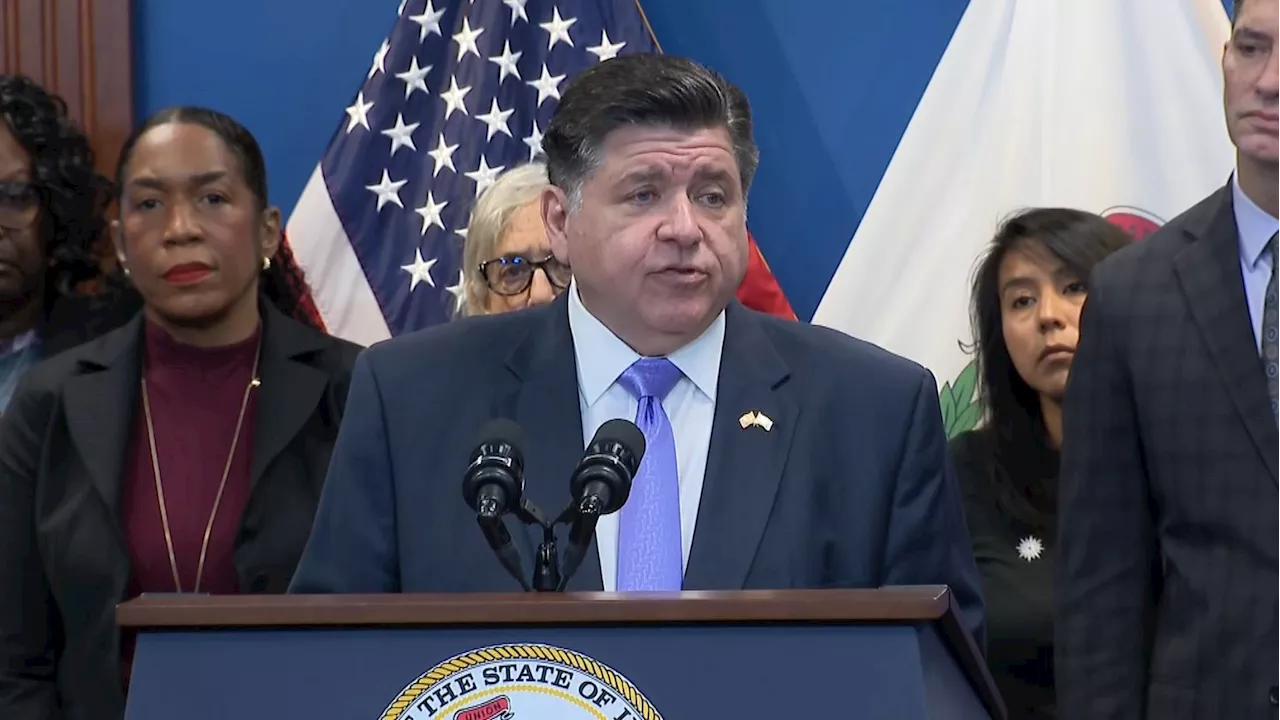
Illinois has taken a significant step toward criminal justice reform with the enactment of the Clean Slate Act, signed into law by Governor J.B. Pritzker. This legislation aims to automatically seal the records of individuals convicted of non-violent crimes, offering them a chance to reintegrate into society without the stigma of a criminal record.
The law, which will officially take effect in June 2024, mandates the automation of the record-sealing process for those who have completed their sentences and have not committed further offenses during a designated waiting period. Governor Pritzker emphasized the importance of this bipartisan effort, stating, “For too long, we have been shutting doors for Illinoisans coming home from incarceration after serving their time for non-violent offenses.”
The Clean Slate Act is expected to impact thousands of residents across the state. According to lawmakers, the legislation simplifies the record-sealing process by eliminating the need for individuals to hire legal counsel and navigate the court system. This change is designed to streamline access to opportunities for those seeking to rebuild their lives.
Implementation and Eligibility Criteria
As part of the implementation, the Illinois State Police will upgrade its record-keeping system to incorporate the eligibility and timing criteria outlined in the law. Brendan Kelly, the Director of the Illinois State Police, highlighted that these upgrades will enhance public safety while significantly easing the process for eligible individuals.
Individuals convicted of non-violent crimes must adhere to a waiting period before their records can be sealed. This period lasts for two years following a misdemeanor conviction and three years following a felony conviction. If no new charges are filed during this time, their records will be automatically sealed, according to the law’s text.
It is important to note that the Clean Slate Act specifically excludes those convicted of violent crimes, such as murder and domestic battery, from eligibility. The law also restricts access to sealed records; private companies will not have access, while law enforcement agencies and certain public employers will retain the right to view these records.
Governor Pritzker’s administration continues to advocate for humane and sensible criminal justice policies that aim to enhance community safety while providing individuals with a real opportunity for a better life. With the Clean Slate Act, Illinois is poised to offer a second chance to those who have served their time for non-violent offenses, marking a pivotal moment in the state’s approach to criminal justice reform.