
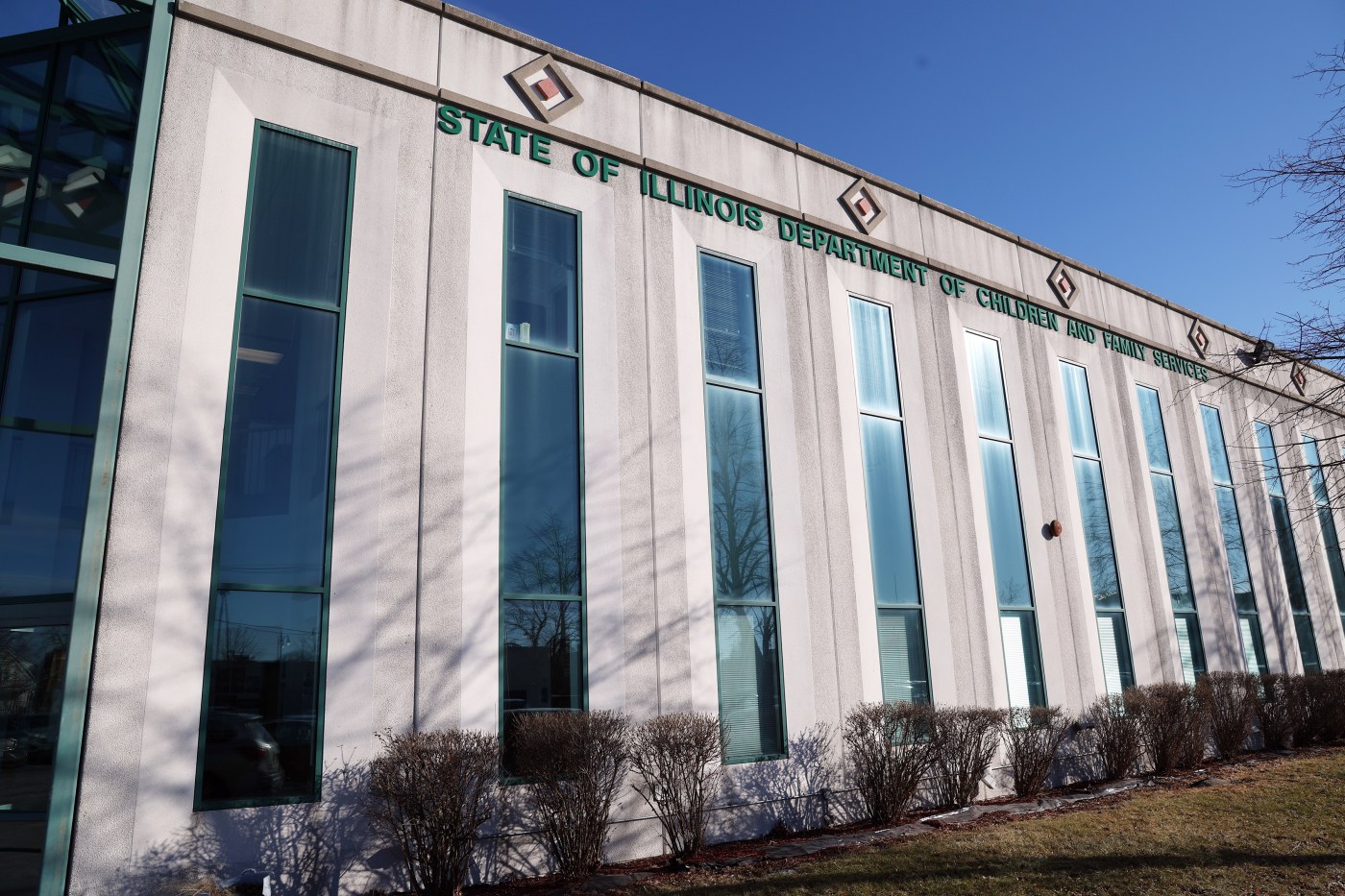
A new pilot program in Illinois aimed at providing cash assistance to families involved in the child welfare system is igniting considerable debate among child welfare experts. The initiative, led by Brightpoint, formerly known as Children’s Home & Aid, in collaboration with the Illinois Department of Children and Family Services, seeks to examine the impact of unconditional cash support on family stability and child welfare outcomes.
In an op-ed published on January 2, professors Sarah A. Font and Emily Putnam-Hornstein criticized the pilot, questioning the efficacy of cash assistance in improving child welfare. They argue that offering money to parents who have mistreated children may not lead to better outcomes. However, this perspective overlooks the essential goal of the pilot: to explore whether direct financial support can alleviate some of the stressors that contribute to child neglect.
The pilot program, which involves 800 families, provides half of the participants with an average of $500 per month for a duration of 12 months. All families involved are already receiving Intact Family Services, a voluntary program designed to stabilize families and prevent crises that could lead to children entering foster care. The focus is not solely on abuse, but rather on the prevalent issue of neglect, which accounts for the majority of child welfare hotline reports.
Understanding the Link Between Poverty and Neglect
One of the central questions posed by the pilot is whether poverty contributes to child neglect and, if so, how cash assistance may alter these dynamics. The notion that poverty directly impacts child welfare is not a settled matter, making this pilot a critical exploration of untested assumptions. The uncertainty surrounding the relationship between financial stress and child maltreatment calls for a cautious approach, emphasizing inquiry over dogmatic conclusions.
As Mike Shaver, president and CEO of Brightpoint, noted, the program aims to challenge entrenched beliefs by asking hard questions about the effectiveness of cash assistance. The pilot seeks to understand how financial support, even if temporary, can impact family stability and child well-being.
Research has shown that financial assistance can yield positive outcomes. A study referenced in a June 2021 article by CNBC highlighted that during COVID-19 relief efforts, families receiving financial support saw significant reductions in food and financial insufficiencies. Parents utilized these funds for essential needs, educational support, and emergency savings, resulting in improvements in mental health.
Community Perspectives on Child Welfare
The conversation surrounding child welfare extends beyond individual behaviors to encompass broader societal issues. Advocates argue for a comprehensive understanding of the factors affecting low-income communities, including employment instability, mental health challenges, and family violence. These interconnected issues often result in cycles of poverty that can hinder families from thriving.
Tecoria Jones, board secretary of Be Strong Families, emphasizes the importance of recognizing the community context. She argues that the effects of poverty are not confined to financial hardship but also encompass emotional and social aspects that can impact families’ abilities to function effectively.
Critics of the pilot, including Font and Putnam-Hornstein, suggest that cash assistance may not address the root causes of child neglect. Yet supporters contend that without examining the role of economic stability in child welfare, it is difficult to formulate effective interventions.
Former foster parent Marrianne McMullen added that bipartisan support for child welfare initiatives, such as the Family First Prevention Services Act, underscores the need for evidence-based approaches. The current discourse, which includes opposition to cash assistance programs, raises concerns about potential divisions in public policy aimed at supporting families.
In conclusion, as the pilot program in Illinois unfolds, it presents an opportunity to gather data that may illuminate the complex relationship between financial assistance and child welfare. The initiative’s findings could contribute to a deeper understanding of how to keep families together while ensuring children’s safety. Engaging in open dialogue and critical examination of existing beliefs will be essential as stakeholders navigate this challenging landscape. The data collected from this pilot is set to inform future policies, potentially reshaping how child welfare is approached in Illinois and beyond.