
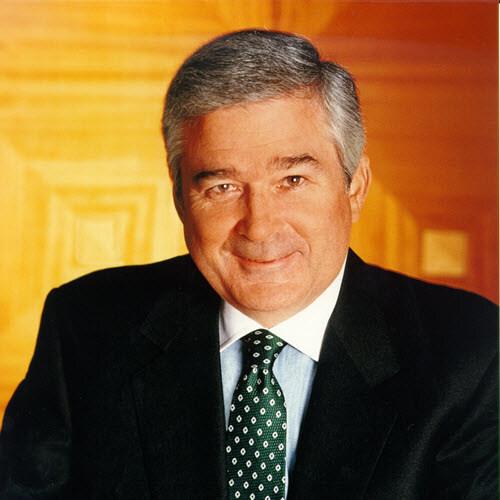
IBM announced the passing of its former Chairman and CEO Lou Gerstner on December 27, 2025, at the age of 81. Gerstner, who led the company from 1993 to 2002, is remembered for transforming IBM during a critical period when its future appeared uncertain. His leadership not only reshaped the company but also established a new direction focused on customer needs.
Transformational Leadership at IBM
Gerstner joined IBM at a time when the technology sector was experiencing rapid changes, and the company faced significant challenges. According to current Chairman and CEO Arvind Krishna, Gerstner’s arrival marked a pivotal moment. He emphasized the importance of understanding customer requirements rather than adhering strictly to internal processes and structures. One of his notable early actions as CEO was to halt a lengthy internal presentation and suggest, “Let’s just talk.” This approach underscored his belief in fostering open communication and prioritizing customer engagement.
Throughout his tenure, Gerstner advocated for a shift in IBM’s culture. He recognized that the company had become overly focused on its internal processes at the expense of customer satisfaction. By emphasizing a client-centric approach, he helped instill a mindset that valued direct communication and data-driven decision-making. As Gerstner put it, the company needed to regain sight of the fundamental truth of business: delivering what customers truly value.
One of Gerstner’s most significant decisions was to maintain IBM’s unity as a single entity, rather than allowing the company to fragment into separate business divisions. He understood that clients sought integrated solutions, and this insight guided the company’s evolution. This strategy not only enhanced IBM’s relevance but also positioned it as a leader among major enterprises worldwide.
A Lasting Legacy Beyond IBM
Gerstner’s influence extended beyond corporate strategy; he believed that genuine change required a cultural shift within the organization. He encouraged IBM employees to confront reality honestly and to challenge themselves and one another. Rather than discarding IBM’s established values, Gerstner worked to renew them, aligning them with the demands of a rapidly changing era.
His commitment to innovation and long-term relevance was evident in his approach to leadership. Krishna recalls Gerstner’s focus on both immediate performance and the long-term vision necessary for sustained success. Even after his tenure ended, Gerstner remained engaged with IBM, offering valuable insights and guidance to successive leaders. His directness, preparation, and ability to challenge assumptions left a lasting impression on those who worked with him.
Before joining IBM, Gerstner had already built a distinguished career, becoming one of the youngest partners at McKinsey & Company, followed by roles as president of American Express and CEO of RJR Nabisco. After his time at IBM, he chaired The Carlyle Group and dedicated considerable resources to philanthropic efforts, particularly in education and biomedical research. Born in Long Island, New York, Gerstner held a degree from Dartmouth and an MBA from Harvard.
Gerstner is survived by his wife, Robin, his daughter, Elizabeth, and his grandchildren, along with many friends and colleagues. IBM plans to honor his legacy with a celebration in the upcoming year, reflecting on the profound impact he had on the company and the broader business community.
As the world remembers Lou Gerstner, his contributions to IBM and the principles he championed will continue to influence future generations of leaders.