
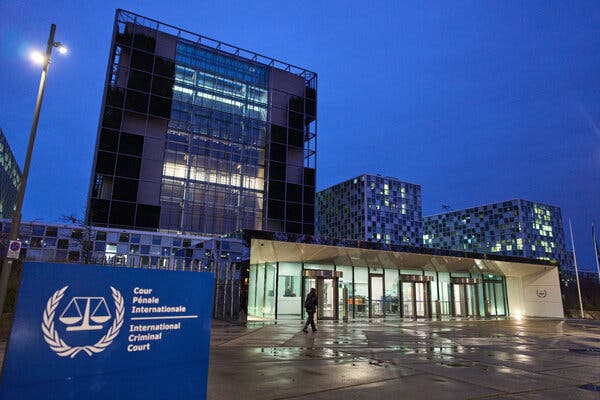
UPDATE: I.C.C. judges are sounding alarms as the Trump administration’s sanctions impose serious threats to their work and safety. Luz del Carmen Ibáñez Carranza, a prominent judge, revealed the chilling impact of these sanctions during a recent interview, stating, “We’re treated like pariahs, we are on a list with terrorists and drug dealers.”
In a striking move, on December 18, 2023, the U.S. blacklisted two additional judges at the International Criminal Court, raising the total to 11 officials now under sanctions, including eight judges and three prosecutors. These sanctions were implemented in response to the I.C.C.’s investigation into allegations of war crimes committed by U.S. personnel in Afghanistan.
The penalties cut judges off from vital American resources, making it nearly impossible for them to access funds or credit, thereby crippling their ability to perform their duties. Ibáñez, who previously faced death threats while prosecuting high-profile cases in her native Peru, now faces new, unprecedented challenges.
The sanctions primarily aim to pressure the I.C.C. into retracting arrest warrants issued for Prime Minister Benjamin Netanyahu of Israel and Yoav Gallant, the former Israeli defense minister. These warrants allege their involvement in war crimes and crimes against humanity in Gaza, a highly contentious issue that has drawn international scrutiny.
Officials are condemning the U.S. actions, noting that they effectively undermine the I.C.C.’s independence and its ability to pursue justice. The court’s role in investigating alleged war crimes is crucial for global accountability, and these sanctions threaten to stifle that mission.
As this situation develops, the international community is watching closely. The I.C.C. judges have called for support from nations around the world to counteract the sanctions and maintain the integrity of their judicial responsibilities.
What happens next is critical. The I.C.C. is expected to continue its investigations, despite the U.S. pressure, and the global response to these sanctions could influence future judicial actions. Legal experts emphasize the need for solidarity among nations to uphold international law and defend the court’s authority.
The implications of these sanctions are far-reaching, affecting not only the judges but also the broader landscape of international justice. The legal community and human rights advocates are rallying for action, urging global leaders to stand against these measures that threaten judicial independence and the pursuit of accountability for war crimes.
Stay tuned for more updates as this urgent story unfolds. The ramifications of these sanctions could reshape the future of international law and justice.