
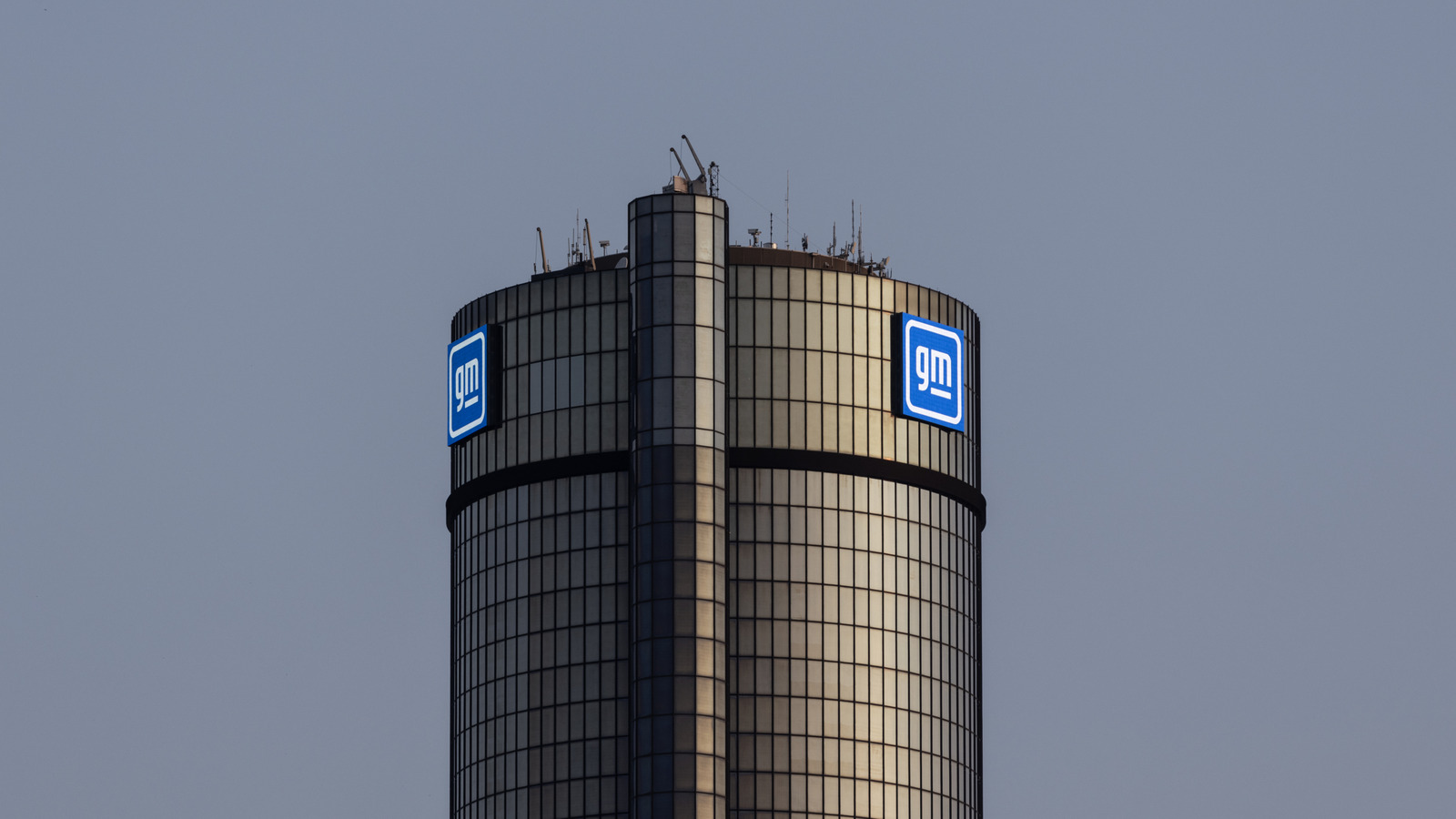
General Motors (GM) filed for Chapter 11 bankruptcy protection on June 1, 2009, marking a significant moment in automotive history. The filing, which encompassed $82 billion in assets and $173 billion in liabilities, was the largest industrial bankruptcy in the United States. This drastic move was necessary to restructure a company that had struggled with multiple issues for years, ultimately affecting the futures of approximately 235,000 employees worldwide.
The roots of GM’s decline can be traced back to a prolonged period of complacency. During much of the 20th century, GM dominated the global auto industry, controlling nearly 46% of the U.S. market in the 1950s. The company thrived by offering “a car for every purse and purpose,” but over time, it became increasingly resistant to change. While the market began shifting towards smaller, more fuel-efficient vehicles, GM clung to its traditional lineup of larger cars and trucks.
As consumer preferences changed, GM found itself unable to adapt. Competitors, particularly Asian automakers, capitalized on these trends, capturing a growing share of the market. This inability to respond to evolving consumer demands left GM vulnerable. The company’s organizational structure, characterized by layers of management and internal conflicts for resources, further exacerbated its challenges.
Compounding these issues, GM’s cost structure proved to be unsustainable. The company faced some of the highest healthcare and pension costs in the industry, legacies of labor agreements from the 1950s. By 2008, GM had accumulated more than $80 billion in losses since 2005, with a staggering $30.9 billion loss recorded that year alone. The high operational costs made it difficult to compete with foreign rivals that enjoyed lower overheads.
The onset of the Great Recession in 2008 served as a catalyst for GM’s decline. U.S. auto sales plummeted from over 17 million units annually to fewer than 10 million, creating a dire situation for many automakers. As fuel prices soared, consumers shifted their focus to smaller, more efficient vehicles, turning away from GM’s heavy reliance on full-size trucks and SUVs.
By late 2008, GM found itself relying on federal loans to continue operations. The company had already drawn $19 billion in government assistance and anticipated needing tens of billions more to remain afloat. Facing the prospect of bankruptcy, then-CEO Rick Wagoner believed that a bankruptcy filing would deter customers from buying cars from the company.
Despite these reservations, GM filed for bankruptcy, initiating a restructuring process that President Barack Obama described as “tough but fair.” The government-backed plan aimed to prevent liquidation through a swift, “surgical” bankruptcy process. Utilizing Section 363 of the Bankruptcy Code, GM divided into two entities—one retaining valuable brands and operations, while the other, known as Motors Liquidation Co., absorbed the liabilities.
The restructuring took only 40 days, a remarkably quick turnaround for such a significant corporate overhaul. Brands such as Pontiac, Saturn, Hummer, and Saab were eliminated from GM’s portfolio, while the company reduced its dealership network by nearly 40%. These difficult choices were essential to ensure GM’s survival in a rapidly changing marketplace.
Ultimately, GM’s bankruptcy was a painful but necessary step for the automaker. It allowed the company to address its unsustainable cost structure and refocus its strategy in an evolving industry. Without these changes, GM might not have been able to continue as a major player in the automotive sector, a lesson that underscores the importance of adaptability and foresight in business.