
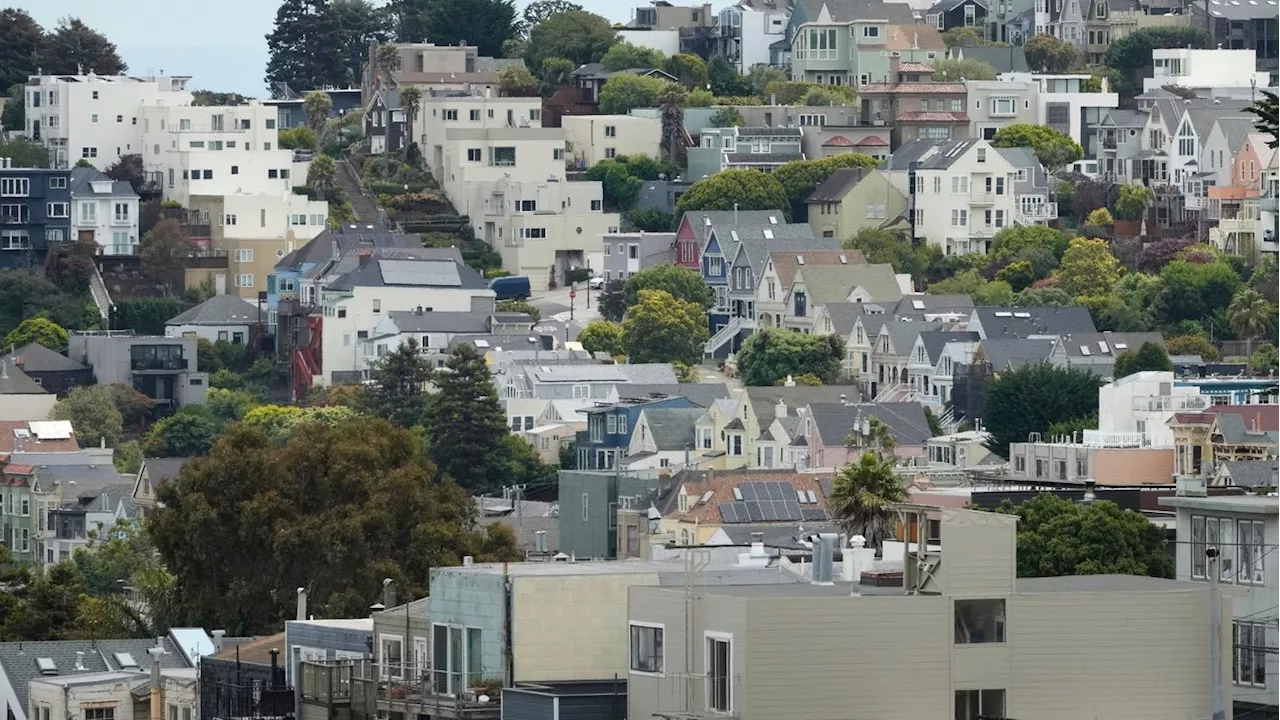
Economists are forecasting a significant shift in the housing market by 2026, predicting improvements in affordability driven by lower interest rates. This anticipated change comes as the market grapples with persistent challenges, including high mortgage rates and limited housing supply, which have sidelined many potential buyers.
The housing market has experienced elevated prices and soaring mortgage rates, which have remained around 6-7% for an extended period. This has resulted in existing home sales stagnating near 30-year lows for three consecutive years. Such conditions have particularly impacted younger and lower-income families, who find themselves increasingly excluded from homeownership as prices continue to escalate.
While there has been a slight increase in homes listed this year, which has marginally improved affordability, the overall gains remain constrained. Many homeowners, benefiting from substantial equity and low interest rates, are reluctant to sell, opting to wait for better market conditions.
Analysts expect that mortgage rates will start to moderate as 2026 approaches, although they are unlikely to return to the sub-3% levels experienced during the pandemic. According to forecasts from reputable sources such as Zillow, Redfin, and Realtor.com, mortgage rates may stabilize in the low-6% range. This would be an improvement over the 6.6% average recorded in 2025. A potential reduction in inflation could prompt the Federal Reserve to lower its benchmark interest rate, indirectly influencing mortgage rates to remain closer to 6%.
Despite the slow sales, home prices have remained relatively stable due to the limited supply of existing homes and new construction. Existing homes are spending more time on the market, indicating a decline in buyer interest. Sellers are also hesitant to reduce asking prices significantly, which has contributed to the ongoing stagnation.
New construction activity has faced numerous challenges, including high interest rates, tariffs, and labor shortages, which have made projects less profitable. Builders are responding by cutting back on the number of permits issued and delaying new projects. Mischa Fisher, chief economist at Zillow, anticipates that 2026 will be the slowest year for single-family home construction starts since 2019.
Despite these challenges, there is a glimmer of hope for buyers. Income growth is outpacing both overall and housing inflation, which provides some financial flexibility. In November, wages increased by 3.5%, surpassing the most recent inflation rate of 2.7%. However, the gap between wage growth and inflation has narrowed throughout the year, raising uncertainty about future trends.
Looking ahead, while home prices are expected to cool, most forecasts indicate they will continue to rise, albeit at a slower pace than in previous years. The expectation is that 2025 will mark the second consecutive year of inflation-adjusted price decreases.
As the housing market navigates these complexities, the potential for lower mortgage rates could expand the pool of prospective buyers, making homeownership more attainable. However, the factors leading to such a decline in rates may also include broader economic downturns, which could have far-reaching consequences on employment and consumer confidence.
In the coming years, as the housing landscape evolves, both buyers and builders will need to adapt to the shifting dynamics of affordability and availability in the market.