
The House of Representatives has passed the SPEED Act, a pivotal bill intended to streamline the permitting process for energy and infrastructure projects. This legislation marks a significant amendment to the National Environmental Policy Act (NEPA), aiming to expedite project approvals and reduce judicial review scope. The bill’s passage has sparked considerable debate regarding its potential impact on environmental protections and public input.
Proponents of the SPEED Act contend that NEPA’s requirements have become excessively complicated, causing significant delays in project approvals. A recent report indicated that environmental reviews can extend over hundreds of pages and take approximately five years to complete. The SPEED Act seeks to address these issues by imposing statutory limits on environmental reviews, expanding categories of actions exempt from review, and establishing clear deadlines for the permitting process. Additionally, the bill aims to restrict the parties eligible to file legal challenges and the remedies courts can impose.
The principal sponsor of the legislation, Rep. Bruce Westerman (R-Arkansas), described the SPEED Act as a bipartisan initiative designed to restore common sense and accountability to federal permitting procedures. He views the current system as a bureaucratic bottleneck that hampers investment in essential infrastructure and technology. According to Westerman, the bill’s intent is to facilitate responsible development by eliminating unnecessary obstacles that delay critical projects.
Despite the bipartisan support, many Democrats voiced strong concerns regarding the legislation. They argue that the SPEED Act fails to address the fundamental causes of delays in permitting and could potentially undermine public participation and judicial oversight. Rep. Jared Huffman (D-California) stated that the bill treats environmental reviews as obstacles rather than essential mechanisms for preventing costly mistakes and environmental harm. He warned that weakening these reviews could hinder the progress of clean energy initiatives.
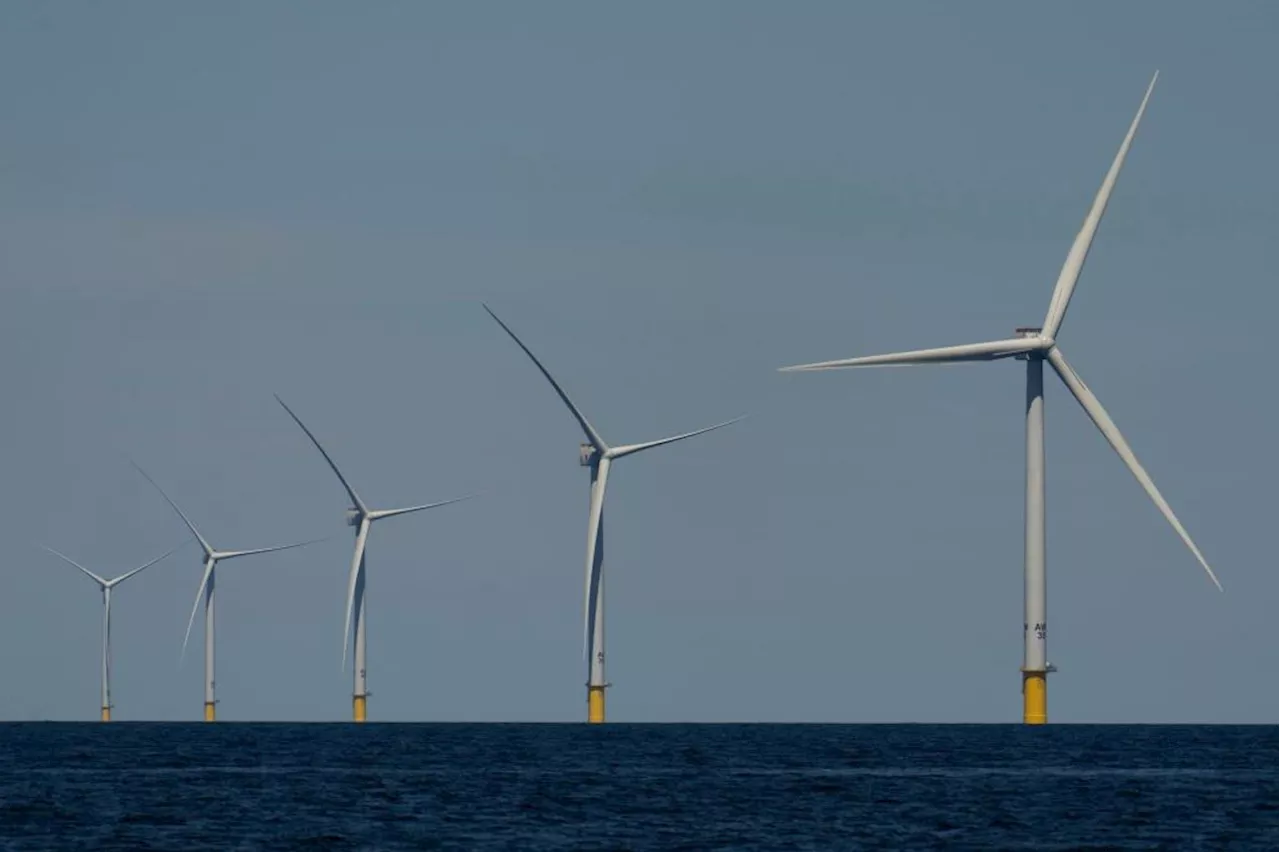
Critics of the bill also highlighted its implications for renewable energy projects, particularly those related to wind and solar energy. Concerns grew over a last-minute amendment that could enable the administration to block offshore wind projects. This amendment, backed by conservative Republicans, led the American Clean Power Association, a group advocating for wind energy, to withdraw its support for the bill. Jason Grumet, the CEO of the association, expressed disappointment that partisan changes jeopardized bipartisan progress on permitting reform.
The ongoing discourse around the SPEED Act emphasizes the delicate balance between the need for efficient infrastructure development and the necessity of environmental protection. While there is widespread agreement on the need for reform within the permitting process, the debate reveals deep divisions on how best to achieve this goal.
As the bill now moves to the Senate, discussions are expected to focus on a broader agreement that may incorporate modifications to the Clean Water Act, targeting the facilitation of pipeline projects and transmission lines. Simultaneously, some Democratic senators are proposing legislation aimed at safeguarding clean energy project permits from arbitrary cancellations by future administrations.
The outcome of the Senate’s deliberations will significantly influence the final shape of any permitting reform legislation and its potential impact on infrastructure development and environmental protection. This evolving legislative landscape highlights the ongoing challenge of reconciling competing interests while ensuring that essential projects move forward without compromising environmental integrity. As the nation seeks to balance energy needs with ecological responsibility, the implications of the SPEED Act will resonate across various sectors, shaping the future of infrastructure investment and environmental policies.