
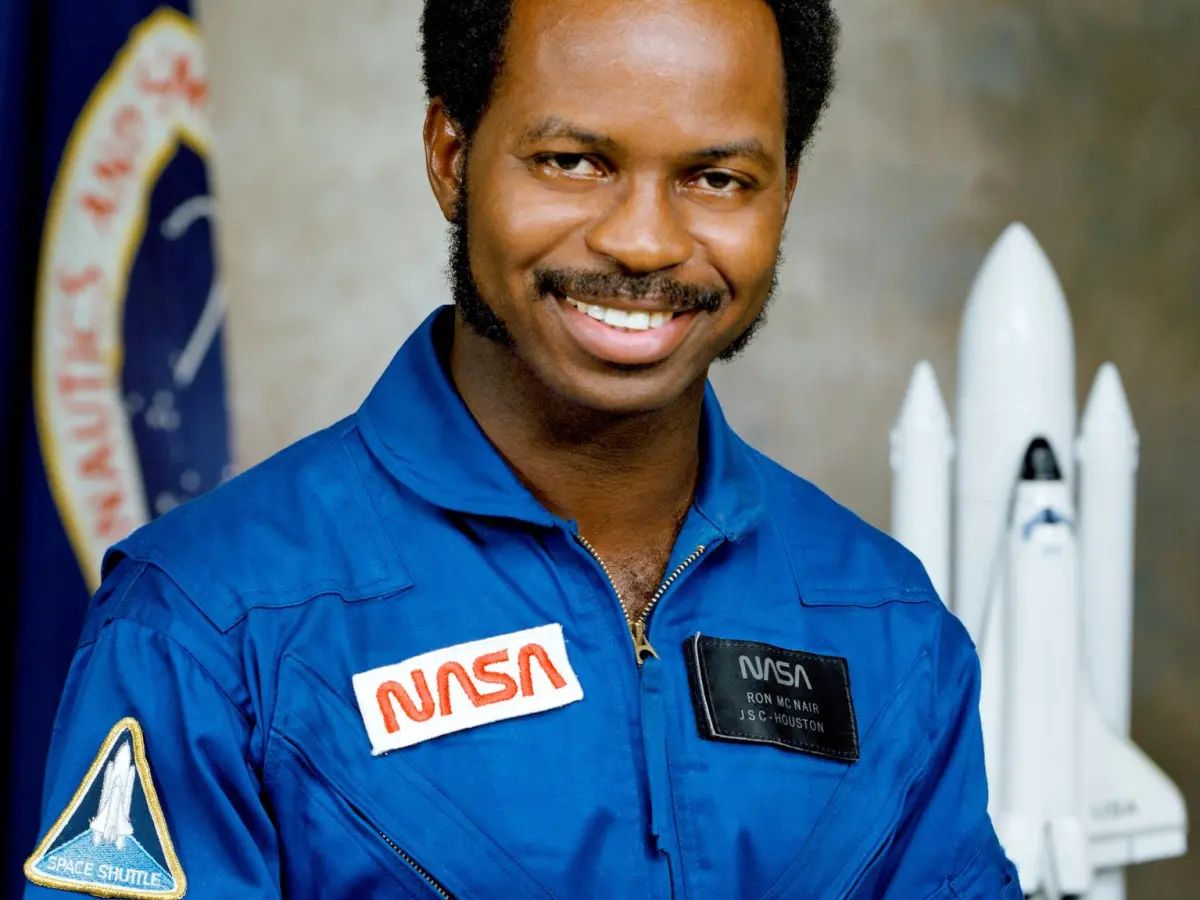
This week marks the somber 40th anniversary of the tragic explosion of the NASA Challenger space shuttle, which claimed the lives of all seven crew members, including astronaut Ronald McNair. The disaster occurred just 73 seconds after launch on January 28, 1986, a moment that shocked millions as they watched on television. McNair was 35 years old at the time, and his untimely death left a profound impact on the fields of science and education.
Ronald McNair was among the first Black astronauts selected by NASA in 1978. His groundbreaking journey into space began in 1984 when he became the second Black man to fly in space. According to a 2013 conversation with StoryCorps, McNair’s brother shared that what many viewed as science fiction, his brother perceived as “science possibility.” This perspective fueled McNair’s ambitions and inspired countless others.
McNair’s Multifaceted Life
Beyond his achievements in space, McNair was known for his diverse interests and talents. He was not only a physicist but also a skilled saxophonist and a martial artist. His passion for jazz music reflected his vibrant personality and served as a reminder of the joy he found in life. McNair’s dedication to education and mentorship left a lasting legacy, particularly within the African American community.
In the Word In Black video tribute, viewers are given a glimpse into McNair’s inspiring life. It highlights his commitment to pushing boundaries and inspiring future generations to pursue careers in science, technology, engineering, and mathematics (STEM). His journey serves as a powerful reminder of the importance of representation and the potential for innovation.
The Challenger Disaster and Its Impact
The Challenger disaster remains one of the most significant tragedies in space exploration history. During the ill-fated launch, technical failures combined with human error led to the catastrophic explosion. The loss of McNair and his fellow astronauts prompted a thorough investigation and significant changes within NASA to enhance safety protocols.
The legacy of Ronald McNair is not only one of scientific achievement but also one of resilience and determination. His contributions continue to resonate, inspiring new generations of scientists and explorers. As we remember McNair on this poignant anniversary, his story serves as a testament to the power of dreams and the relentless pursuit of knowledge.
Reflecting on the past, it is essential to honor the sacrifices made by McNair and his crewmates. Their dedication to exploring the unknown and advancing human understanding remains a vital part of our collective history.