
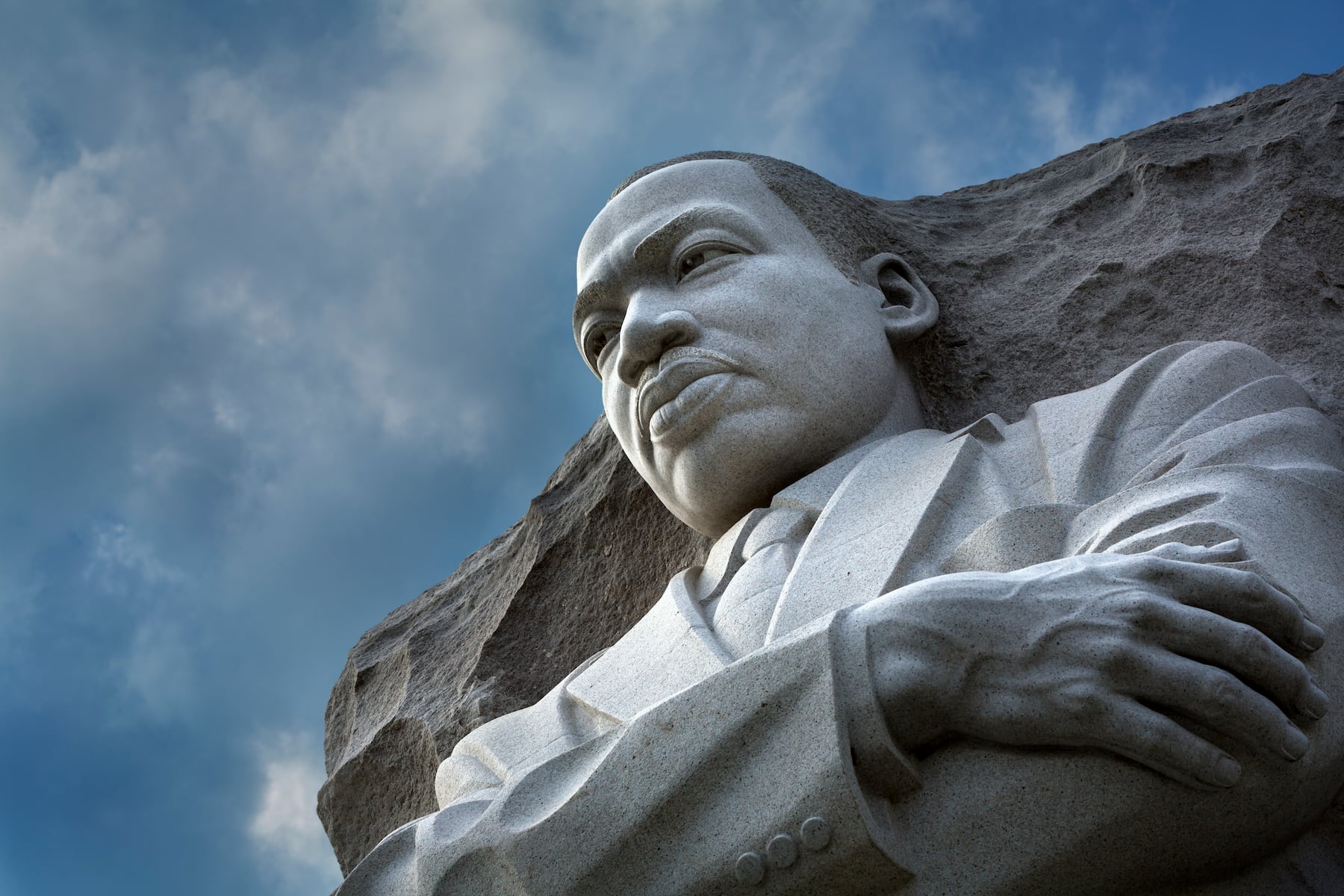
On Martin Luther King Jr. Day, individuals across the globe reflect on the profound impact of his words and the ongoing struggle for equality. King’s famous “I Have a Dream” speech, delivered during the March on Washington for Jobs and Freedom on August 28, 1963, resonates as a powerful call for justice and unity. This year, many organizations and communities commemorate his legacy by revisiting this iconic address.
Key Excerpts from a Visionary Speech
In his speech, King articulated a vision where people would be judged by their character rather than the color of their skin. He declared, “I have a dream that one day this nation will rise up and live out the true meaning of its creed—we hold these truths to be self-evident: that all men are created equal.” This sentiment has become a cornerstone of the civil rights movement and continues to inspire individuals fighting for justice today.
King’s dream extended beyond mere words. He envisioned a future where the descendants of slaves and slave owners would come together in brotherhood. “I have a dream that one day on the red hills of Georgia the sons of former slaves and the sons of former slave-owners will be able to sit down together at a table of brotherhood,” he said. This powerful imagery has galvanized generations to work towards inclusivity and reconciliation.
A Call to Action and Unity
King did not shy away from addressing the harsh realities of his time. He spoke of states like Mississippi, describing it as “a desert state, sweltering with the heat of injustice and oppression,” and called for transformation into “an oasis of freedom and justice.” His words serve as a poignant reminder of the work still required to achieve true equality.
In Alabama, King envisioned children of all races joining hands as equals. “Little black boys and little black girls will be able to join hands with little white boys and white girls as sisters and brothers,” he proclaimed. This vision remains relevant as societies strive for harmony and mutual respect.
Furthermore, King emphasized hope and faith as essential components in the pursuit of justice. “This is our hope. This is the faith that I will go back to the South with,” he stated. His message of collective perseverance encourages individuals to unite in their quest for freedom and equality.
As communities celebrate Martin Luther King Jr. Day, they reflect on the ongoing journey towards fulfilling his dream. Events worldwide highlight the importance of his message, focusing on education, community service, and advocacy for civil rights.
In conclusion, Martin Luther King Jr.’s legacy is a testament to the enduring fight for equality. As he famously concluded, “Free at last! Thank God Almighty, we are free at last!” His words continue to inspire and challenge individuals to strive for justice and unity in their communities. Celebrations of his life and work serve as a powerful reminder of the progress made and the work that still lies ahead.