
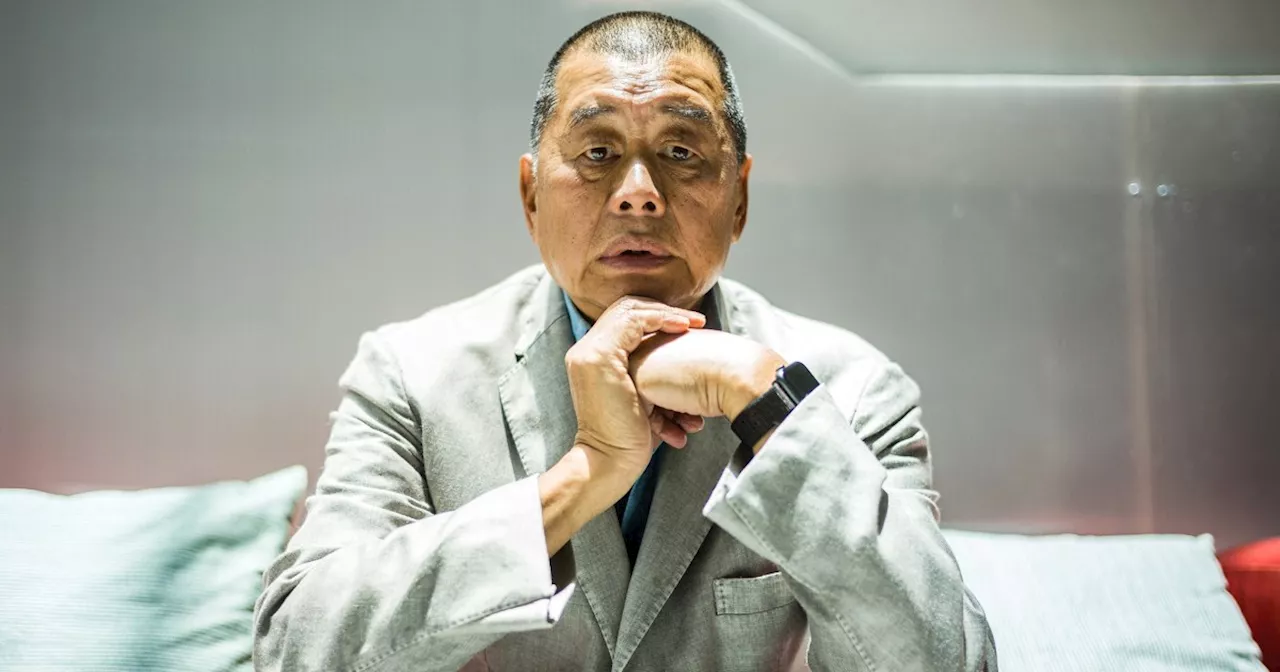
A Hong Kong court is preparing to announce its verdict in the high-profile national security trial of Jimmy Lai, a prominent pro-democracy activist and media figure. The ruling, set for 10 a.m. local time, has attracted significant international attention, as it stands as a critical indicator of Beijing’s ongoing crackdown on dissent in the region. Lai, arrested in 2020 shortly after the implementation of a sweeping national security law, faces multiple charges, including collusion with foreign forces and conspiracy to publish seditious materials.
The past 156 days have seen Lai’s case unfold in the High Court, presided over by a panel of three judges selected specifically for national security cases. Lai has pleaded not guilty to all charges, maintaining that his actions were aligned with journalistic freedom and not intended to undermine the government. Should he be convicted, Lai could face a life sentence.
The trial has met with fierce criticism from Western governments and human rights organizations, who argue that it is politically motivated. Both the United States and the United Kingdom have called for Lai’s release, with prominent figures such as former President Donald Trump expressing support for his cause. Trump discussed Lai’s situation with Chinese President Xi Jinping during a meeting in South Korea last October, a conversation that drew a warning from Hong Kong’s leader, John Lee, against foreign interference in local matters.
Implications for Press Freedom and Judicial Independence
The outcome of this case is viewed as pivotal for the future of judicial independence and press freedom in Hong Kong. The region was promised a preservation of its Western-style civil liberties for 50 years following its handover to China in 1997. However, the Hong Kong and Chinese governments assert that Lai has received a fair trial, dismissing international criticism as an attempt to undermine local rule of law. A spokesperson for the Chinese Foreign Ministry affirmed Beijing’s support for the Hong Kong government in its efforts to “bring criminals who endanger national security to justice.”
Lai’s health has raised concerns among his family and supporters, given his nearly five years in solitary confinement. He suffers from diabetes, high blood pressure, and heart palpitations. The Hong Kong government maintains that he has been provided with adequate medical care while in custody, arguing that his separation from other inmates is a precaution for his safety.
Prosecutors have labeled Lai the “mastermind” behind a conspiracy to persuade foreign governments to impose sanctions on China and Hong Kong. They have pointed to his meetings with U.S. officials, including Mike Pence, during the 2019 protests as evidence of his intent to influence foreign policy. Additionally, Lai is accused of using his now-defunct tabloid, Apple Daily, to publish articles deemed seditious.
During the trial, Lai spent 52 days on the stand, where he denied any wrongdoing. He contended that his writings were factual and not intended to incite hatred against the Hong Kong or Chinese governments.
Context of a Broader Crackdown
This trial forms part of a larger narrative surrounding the erosion of freedoms in Hong Kong under the national security law, a response to the anti-government protests that erupted in 2019. Many pro-democracy figures have been imprisoned, forced out of politics, or relocated abroad. The recent disbanding of the Democratic Party, the last major opposition party in Hong Kong, further illustrates the political climate, with members citing pressure from Chinese officials as a driving factor.
The political landscape has shifted dramatically since the introduction of new election rules in 2021, which require national security vetting for candidates. Critics argue that these changes have effectively marginalized opposition groups, leaving the city’s legislative body devoid of meaningful dissent. Voter turnout for recent elections fell to 31.9%, a near-record low compared to previous years.
As the verdict in Lai’s trial approaches, observers are keenly aware that its implications will resonate far beyond the courtroom, potentially shaping the future of civil liberties and political expression in Hong Kong.