
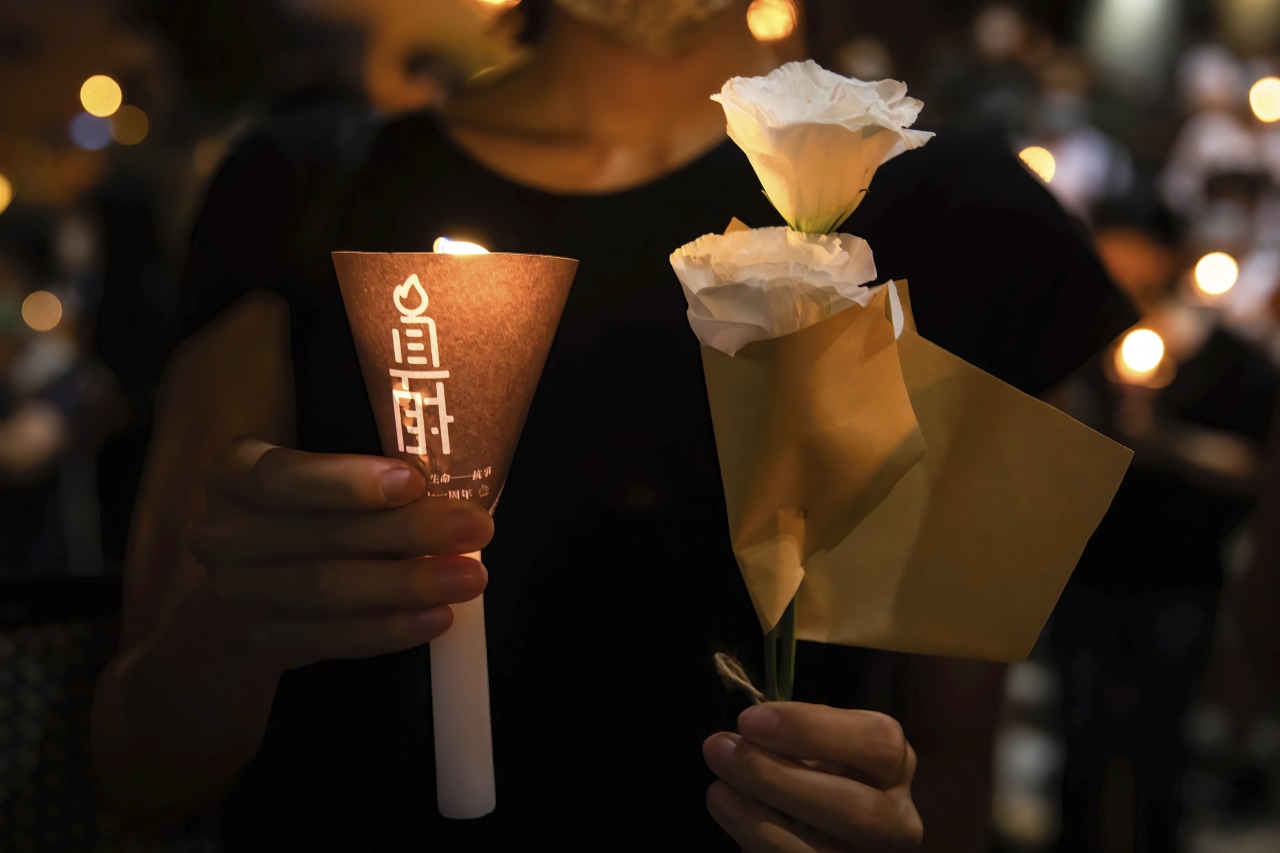
Three residents of Hong Kong are facing up to ten years in prison for their involvement in lighting memorial candles to commemorate the Tiananmen Square protests. This incident highlights the tightening grip of the Hong Kong authorities on public expressions of dissent, particularly regarding the sensitive historical event that occurred in 1989.
The individuals were arrested on July 1, 2023, during a peaceful gathering at the Victoria Park, a traditional site for memorial activities. The event was organized to honor the memory of those who lost their lives during the pro-democracy protests in Beijing. According to the Hong Kong Security Bureau, the arrests fall under the stipulations of the controversial National Security Law, which was enacted in 2020 to curb dissent and opposition in the city.
Crackdown on Commemoration Events
The crackdown on memorial activities is part of a broader trend in Hong Kong, where authorities have increasingly restricted freedoms that were once guaranteed under the “one country, two systems” principle. Prior to the implementation of the National Security Law, Hong Kong held large-scale vigils every June 4 to commemorate the Tiananmen Square protests. However, in recent years, such gatherings have been deemed illegal, and police have actively prevented them from taking place.
In this case, the prosecution claims that the lighting of candles constitutes a violation of the law, which prohibits acts that could be seen as inciting hatred against the government. The three individuals, described as ordinary citizens, are now facing serious legal repercussions for what many view as a symbolic act of remembrance.
International Reactions and Concerns
The response to these arrests has drawn condemnation from various human rights organizations and foreign governments. Observers argue that the actions taken by the Hong Kong government are a clear indication of the ongoing erosion of civil liberties in the region. International advocacy groups have called for the immediate release of the arrested citizens and have urged the global community to pay attention to the deteriorating human rights situation in Hong Kong.
As the legal proceedings unfold, the case underscores the delicate balance between national security and the right to free expression. The implications of the National Security Law continue to resonate, raising questions about the future of political and social freedoms in Hong Kong.
This incident serves as a stark reminder of the challenges faced by those who dare to commemorate past struggles for democracy in a city that has witnessed significant political changes in recent years. The outcome of this case will likely influence how future memorials and expressions of dissent are handled by authorities in Hong Kong.