
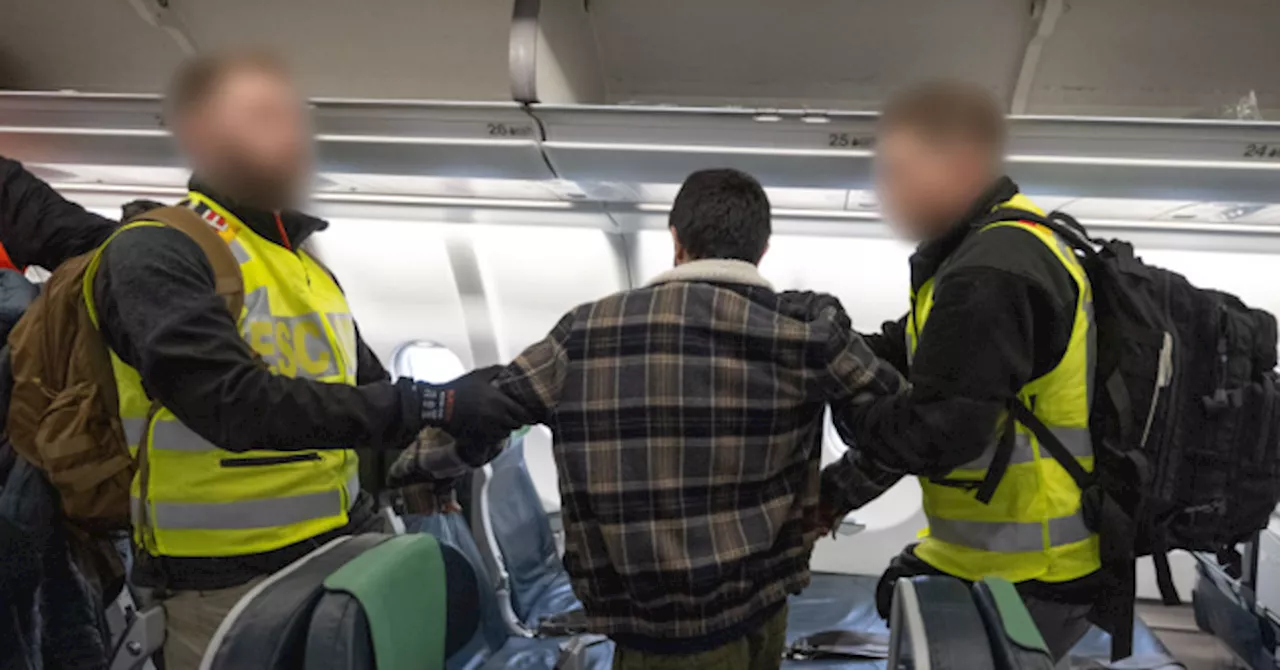
The Department of Homeland Security (DHS) announced plans to create its own fleet of Boeing 737 aircraft, projected to save the U.S. government approximately $279 million over time. This initiative signifies a shift from previously relying on charter companies for deportation flights, allowing the Immigration and Customs Enforcement (ICE) agency to operate more efficiently.
Tricia McLaughlin, a senior official at DHS, criticized coverage from The Washington Post for omitting the significant cost savings associated with this new fleet. In her response to a report by Paul Eggen, she expressed her frustration on social media, stating, “Somehow the @washingtonpost forgot to include anywhere in their story that this new initiative will save the U.S. taxpayer $279 MILLION. I guess they didn’t want the public to know?”
The announcement, made on October 23, 2023, detailed that the DHS plans to allocate $140 million towards the purchase of six Boeing 737 aircraft. This move comes as part of a broader budget increase for immigration enforcement approved by Congress. Previously, ICE had relied on outside companies for repatriation flights, a practice that has proven increasingly costly.
McLaughlin emphasized that the new fleet will enhance ICE’s operational capabilities. “These planes will allow ICE to operate more effectively, including by using more efficient flight patterns,” she noted. This statement underlines the agency’s commitment to expediting the deportation process for individuals deemed to be in the country illegally.
In addition to the financial implications, the DHS’s decision reflects a strategic pivot in how the agency manages deportation flights. The reliance on charter services has been criticized for its unpredictability and rising costs, and establishing a dedicated fleet is expected to streamline operations and reduce expenses.
As the DHS prepares to implement this plan, it continues to face scrutiny over its immigration policies and practices. Kristi Noem, the Secretary of Homeland Security, is expected to address these concerns in upcoming congressional hearings. The new fleet is just one aspect of a larger immigration enforcement strategy that has drawn both support and opposition from various political factions.
This development represents a significant step for the DHS as it aims to enhance efficiency and reduce costs in its operations. The implications of these changes will likely influence how immigration policies are discussed and enacted in the coming years, making it a crucial topic for both lawmakers and the public.