
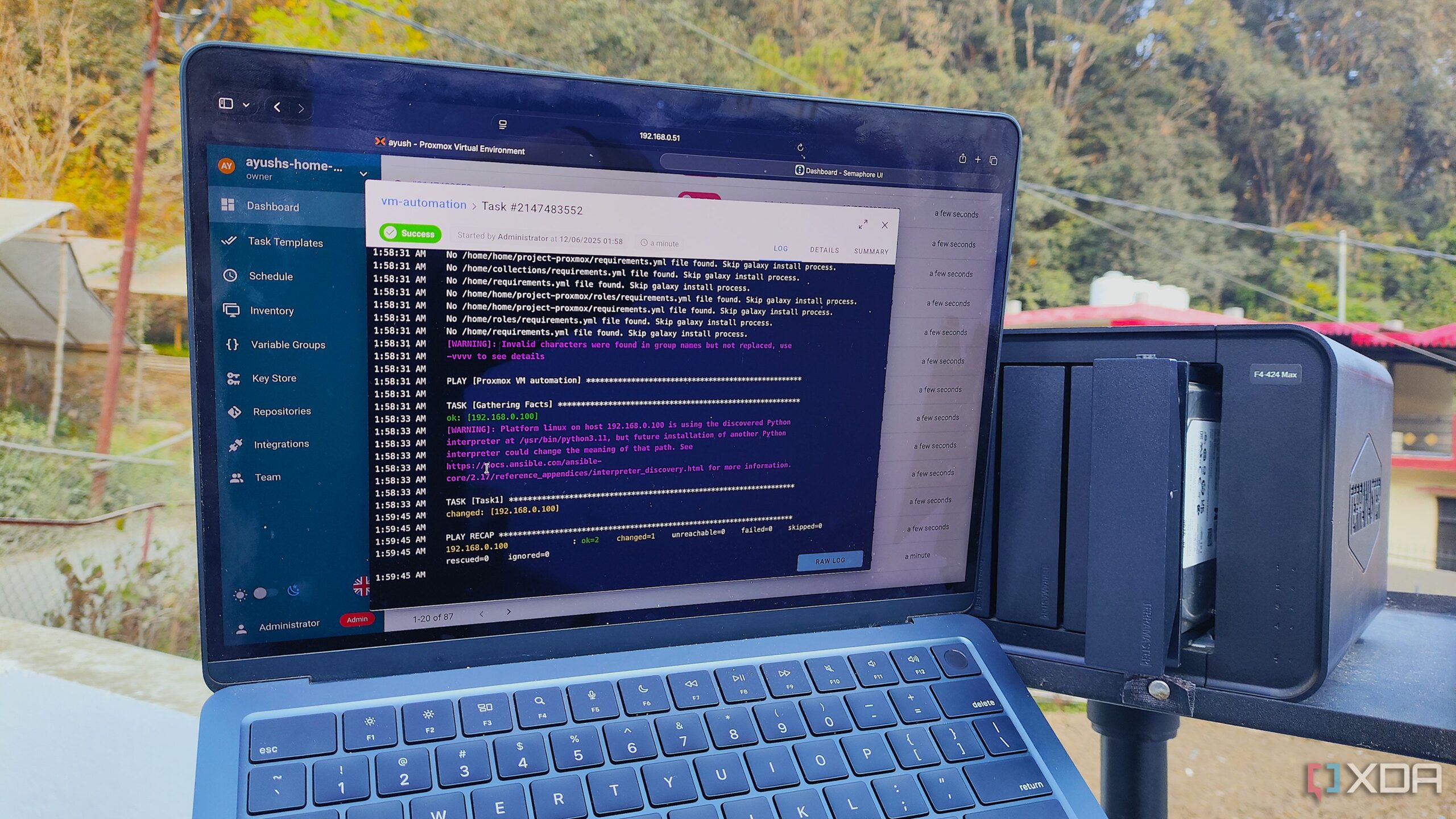
URGENT UPDATE: Home network automation is rapidly evolving as tech enthusiasts embrace Ansible to streamline their setups. This powerful tool is transforming how users manage their home networks, enabling seamless automation and enhanced control over devices.
Just announced: Ansible’s YAML-based scripting language is gaining traction, allowing users to easily set up and manage their home networks with minimal effort. With the recent upgrade to Ubiquiti hardware, users can now automate everything from container management to network configurations, making their setups more efficient and less prone to errors.
This development is crucial for tech enthusiasts struggling to keep their home labs organized. As many grapple with remembering complex configurations and ensuring proper backups, Ansible offers a solution that combines simplicity with powerful capabilities. By automating network tasks, users can focus on innovation rather than maintenance, significantly improving their productivity.
As of October 2023, many users are already reporting success with Ansible’s playbooks, which serve as a declarative list of tasks to execute in sequence. This means that critical configurations, such as VLAN and firewall rules, can now be stored and recalled effortlessly, providing an invaluable safety net during unexpected outages or hardware failures.
The benefits don’t stop there. Users can also leverage Ansible to install plugins and manage SSH settings across their devices, ensuring their home networks remain secure and efficient. However, it’s essential to be cautious, as not all networking devices support Ansible out of the box, particularly older models from major companies like Meraki.
As part of an ongoing effort to improve network management, many enthusiasts are creating comprehensive Ansible playbooks for every aspect of their home labs. These playbooks will cover everything from Proxmox hosts to individual server setups, significantly simplifying the management process. The focus is currently on network equipment, but the potential for expansion is vast.
Additionally, users are encouraged to save their configurations in a Git repository for version control. This approach not only protects against data loss but also allows easy tracking of changes and improvements over time. As the community continues to share their resources, many anticipate that this will fill the gap for updated information on UniFi gear, particularly given that Ubiquiti has recently enhanced compatibility with Ansible.
Among the most exciting aspects of this automation surge is the ability to log into the UniFi OS Server directly, enabling complete control over the network environment. Users can provision configurations and manage settings efficiently, reducing the risk of configuration drift and ensuring consistency across their setups.
Despite the potential pitfalls of running incorrect playbooks, the ability to quickly revert to previous configurations provides peace of mind. Users can rest assured knowing that they can regain access and restore functionality with a simple serial connection if needed.
As this automation trend accelerates, tech enthusiasts are eager to document their progress and share insights with the community. With the right tools and knowledge, the journey towards a fully automated home network becomes not only achievable but also an exciting challenge.
Stay tuned for updates as this story develops. The future of home networking is not just about hardware but about creating smart, automated environments that adapt to user needs. Ansible is paving the way for a new era in home lab management, offering unparalleled flexibility and efficiency.