
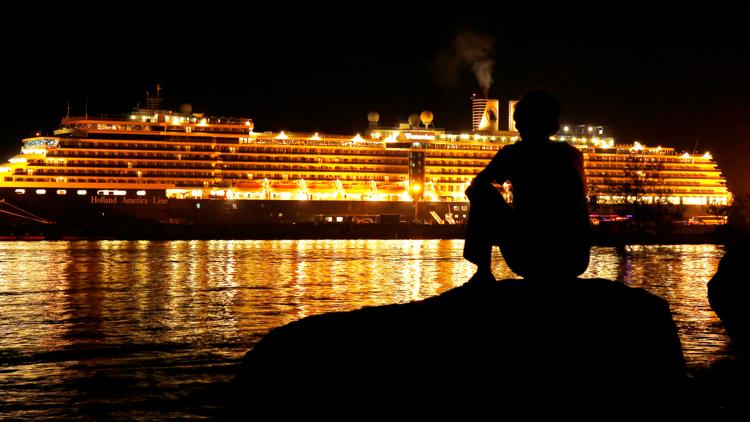
Health authorities in Hong Kong are investigating a suspected outbreak of norovirus on the MS Westerdam, a cruise ship owned by Holland America Line. This follows reports of gastrointestinal illness among passengers and crew during a multi-country voyage. As of March 1, 2024, the Centre for Health Protection confirmed that 76 individuals aboard the ship exhibited symptoms consistent with acute gastroenteritis.
The MS Westerdam had been operating a circular cruise route since February 15, 2024, making stops in several locations, including multiple cities in Japan, Busan in South Korea, and Shanghai, before arriving in Hong Kong. Approximately 2,000 passengers and 800 crew members were onboard when the vessel docked around 04:00 local time.
A majority of the affected individuals reported symptoms such as vomiting, diarrhea, and fever. Among these, 65 were passengers and 11 were crew members, with ages ranging from 24 to 92. The first two reported cases were from passengers who boarded the cruise in Japan on February 15 and developed symptoms the same day. Reports indicate that some individuals vomited in public areas on the ship, raising concerns about the potential spread of the virus.
Preliminary laboratory tests conducted onboard indicated that stool samples from seven individuals tested positive for norovirus. Further testing is set to be conducted by Hong Kong’s public health laboratory services. Fortunately, most of those affected experienced mild illness and were in stable condition by the time the ship arrived in Hong Kong. Only three individuals continued to show mild symptoms, and none required hospitalization.
Understanding Norovirus
Norovirus is a highly contagious virus, commonly associated with foodborne illnesses and acute gastroenteritis. Symptoms typically include nausea, vomiting, diarrhea, abdominal pain, and low-grade fever. While most illnesses resolve within one to three days, outbreaks can escalate rapidly in crowded environments like schools, hotels, and cruise ships. Health officials emphasize the importance of good hygiene practices, particularly handwashing with soap and water for at least 20 seconds, especially before meals and after using the restroom. They note that alcohol-based hand sanitizers are ineffective against norovirus.
Response and Next Steps
Following the ship’s arrival, medical and public health personnel conducted investigations and inspected food hygiene conditions on board. Authorities established a temporary medical station at the cruise terminal to evaluate the health of passengers. The cruise operator was instructed to perform thorough cleaning and disinfection of the vessel before passengers could reboard.
After confirming satisfactory sanitation conditions, passengers and crew were permitted to board the ship again, which subsequently departed Hong Kong for the Philippines. Dr. Edwin Tsui, controller of the Centre for Health Protection, noted that norovirus activity has surged in several regional tourist destinations, including Japan and South Korea, since late last year. This highlights the importance of vigilance and rapid response to outbreaks in order to protect public health.