
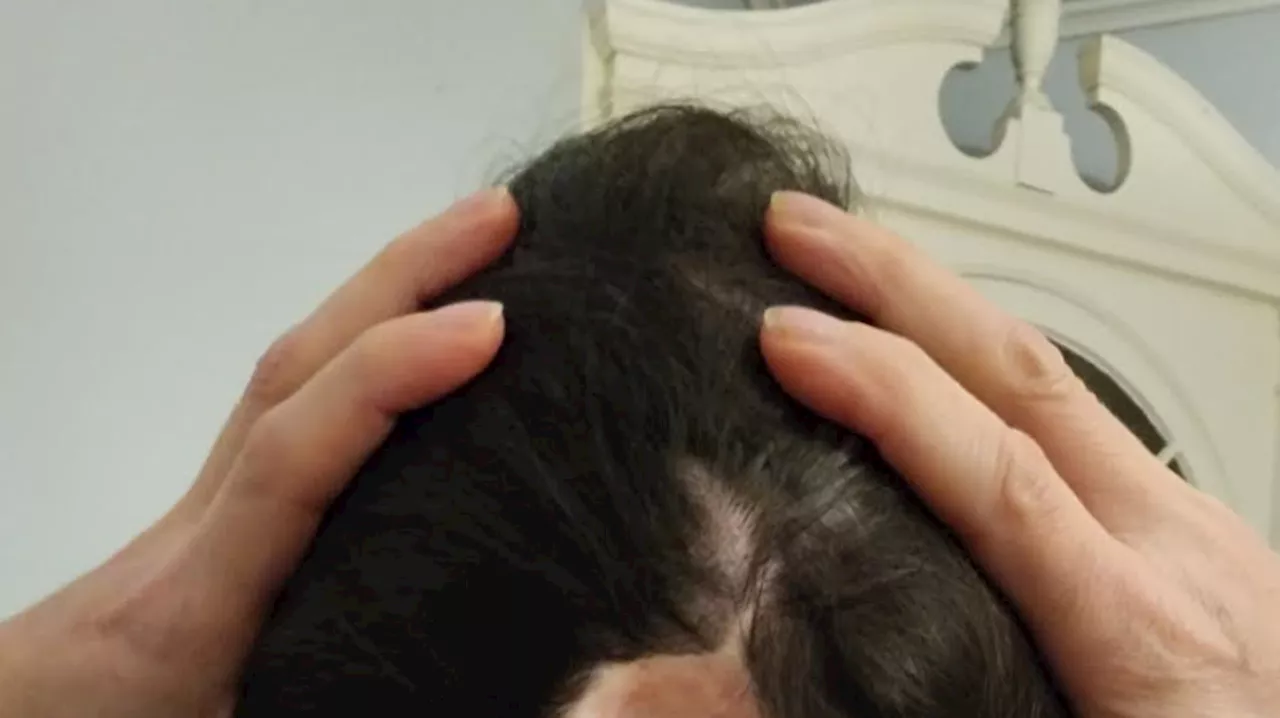
Chronic neck pain has become a daily struggle for many, but for Jennifer Young, it serves as a reminder of a traumatic past. A recent visit to her acupuncturist, Jade, prompted a deep reflection on how a childhood surgery to remove a malignant tumor has contributed to her ongoing health issues. Young’s story illustrates the lasting effects of trauma, revealing the complex relationship between physical ailments and emotional scars.
Unpacking Trauma and Physical Pain
At 38 years old, Young learned from her neurologist that she suffers from degenerative disc disease in her cervical spine, a condition that typically reflects years of wear and tear. The doctor remarked that her spine resembled that of someone who had spent years operating heavy machinery. As a suburban mother and college professor, Young questioned how her seemingly mundane activities could lead to such significant damage. Carrying her children or lugging her office supplies across campus hardly seemed like the catalyst for these debilitating issues.
During her acupuncture session, Young disclosed her medical history to Jade, recounting the surgery she underwent in her teens to remove a malignant tumor from the base of her skull. The procedure, which involved more than just removing the tumor, included the excision of part of her occipital bone. This fact had only recently come to her attention, raising questions about the long-term implications of her childhood trauma.
Curious about the connection between her past surgery and her chronic pain, Young asked Jade whether her decades-old medical history could still be affecting her today. As Jade examined Young’s neck, she noted that uncovering such old trauma is crucial for healing. Jade’s insights resonated with Young, leading her to ponder the emotional scars that often accompany physical wounds.
The Broader Impact of Trauma
Young’s experience aligns with broader findings regarding trauma in the United States. According to the National Institute of Mental Health, approximately 70% of adults in the U.S. have experienced at least one traumatic event in their lifetime, affecting around 235.1 million people. While some individuals may not remember these experiences, others actively seek to understand their lasting effects.
Many people, like Young, find that unresolved emotions can manifest physically as tension, fatigue, or illness. This phenomenon is encapsulated in the saying, “your body expresses what your mind suppresses,” attributed to various wellness experts. Although repressed memories may fade, they can resurface later in life, often triggered by specific situations.
Sitting in the acupuncture office, Young realized she had been carrying the weight of her past trauma for far too long. As a mother of four children, she began to see reflections of her younger self in their struggles with identity and independence. The challenges she faced at 19, when she was diagnosed with cancer, resurfaced, compelling her to confront the emotional pain she had buried for years.
In her journey of self-discovery, Young recognized that both physical and emotional scars tell a story. She recalls how she attempted to hide these imperfections, believing that distance from her trauma would provide relief. Yet, as she continued her treatment, she began to understand that true healing involves embracing every aspect of her story.
Young’s journey illustrates that healing is not merely about addressing physical pain but also about acknowledging the emotional wounds that accompany it. Notably, Bessel van der Kolk, a psychiatrist and author, emphasizes this in his influential book, The Body Keeps the Score, stating that trauma often involves not being seen or validated in one’s pain.
Moving Forward
Since her acupuncture session, Young has made a conscious effort to engage more deeply with her past. She has begun writing about her experiences and participating in candid conversations she previously avoided. This introspective approach has proven beneficial, helping her to connect with others who share similar journeys. Recently, she submitted a survivor profile to a melanoma community on Instagram, including a photo of her scar. Overcoming her initial hesitation, she found unexpected support and solidarity from others whose lives have been affected by cancer.
Younger generations are becoming increasingly aware of the emotional and psychological impacts of trauma, but many like Young still struggle to grant themselves the grace they deserve. As she continues to unpack her past, she is reminded that healing is not about erasing history but rather about integrating every part of herself into her present life.
As Young reflects on her journey, she finds strength in the realization that old traumas do not simply fade away; they require acknowledgment and understanding. Her story serves as a powerful reminder that healing involves accepting and embracing both the visible and invisible scars we carry, allowing us to move forward with resilience.