
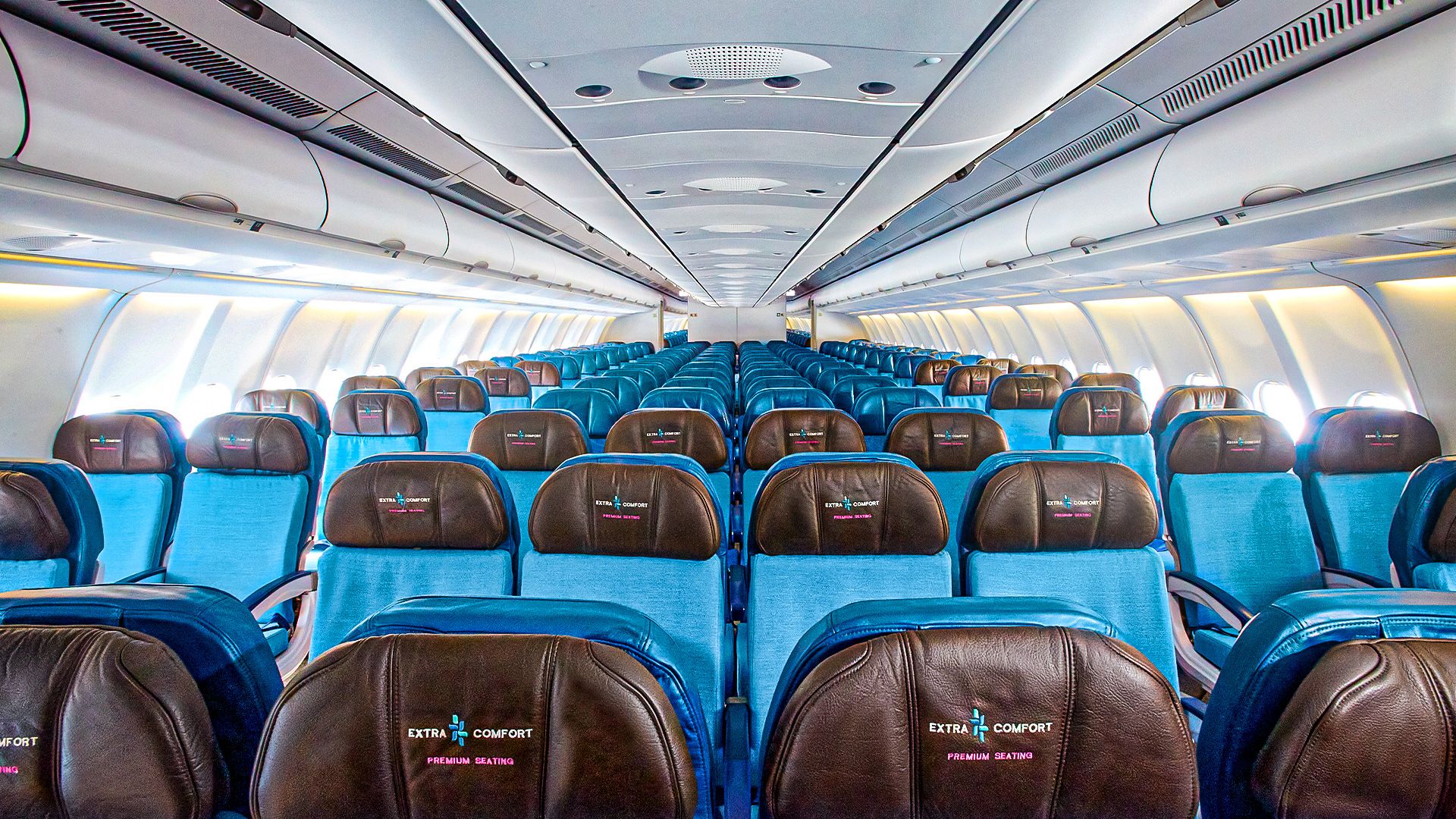
Hawaiian Airlines has announced plans to introduce a premium economy cabin, marking a significant shift in its service offerings. This move comes as the airline prepares for a comprehensive fleet renovation and a strategic alignment with the one world alliance, effective April 22, 2026. As the airline looks to better compete in an evolving market, the premium economy option aims to provide travelers with more comfort on long-haul flights to Hawaii.
For years, Hawaiian Airlines has distinguished itself among full-service carriers in the United States by focusing on hospitality and catering predominantly to leisure travelers. Until now, it has relied on Economy Comfort seats, which offer extra legroom but do not constitute a true premium economy product. The older Airbus A330s in its fleet featured limited premium options, but this strategy was practical given the airline’s focus on vacationers rather than business travelers.
The recent acquisition by the Alaska Air Group has prompted Hawaiian Airlines to rethink its approach. The Group’s investment plan includes a complete interior overhaul of the Airbus A330 fleet, starting in 2028. This renovation will not only introduce new seats in the premium economy cabin but also modernize the entire onboard experience.
New Features and Improvements on the Horizon
Hawaiian Airlines plans to replace its current Economy Comfort seats with four rows of dedicated premium economy recliner seats. These new seats will offer greater width, enhanced comfort, and a higher standard of in-flight dining. Although specific details regarding the seat manufacturer have yet to be disclosed, they are expected to align with industry norms for international premium economy cabins.
Typically, these seats will likely feature a 2-3-2 configuration, providing additional legroom and a deeper recline compared to standard economy seats. Enhanced amenities, such as improved charging options and a more refined service flow, will further elevate the travel experience, allowing Hawaiian Airlines to better cater to customers seeking a balance between economy and business class.
The decision to introduce premium economy is timely, given the airline’s existing fleet and market conditions. Hawaiian’s current Airbus A330 configuration, which features an outdated business class setup, necessitates this upgrade. The anticipated renovations will create a more competitive product offering that better meets the expectations of modern travelers.
Economic Considerations and Competitive Landscape
The introduction of a premium economy cabin is not merely a service enhancement; it is a strategic initiative aimed at increasing the airline’s revenue potential. Premium economy has become a lucrative segment for many carriers, allowing them to monetize comfort without the significant space requirements of a lie-flat business class seat. This is particularly relevant for Hawaiian Airlines, which operates long overwater routes where passenger comfort can significantly influence travel choices.
Hawaiian Airlines aims to capture a segment of travelers who prioritize comfort but are hesitant to pay for business class. By creating a distinctive mid-cabin option, the airline can offer families and vacationers a more appealing alternative while reserving business-class inventory for high-yield customers. This strategy addresses the limitations of the previous Economy Comfort offering, which lacked the ability to effectively upsell to premium travelers.
As Hawaiian Airlines prepares to join the one world alliance, the introduction of premium economy aligns with the broader expectations within the industry. Competitors on similar routes already provide recognized premium economy products, making the absence of this cabin a significant oversight for Hawaiian. The airline’s upgrade roadmap emphasizes the importance of a premium cabin as a revenue driver in the coming years.
In conclusion, Hawaiian Airlines is poised to redefine its service offerings with the introduction of a premium economy cabin, which promises to enhance both passenger comfort and the airline’s financial performance. The strategic overhaul of its fleet, combined with the alignment with the one world alliance, positions Hawaiian Airlines to better compete in the dynamic landscape of international air travel.