
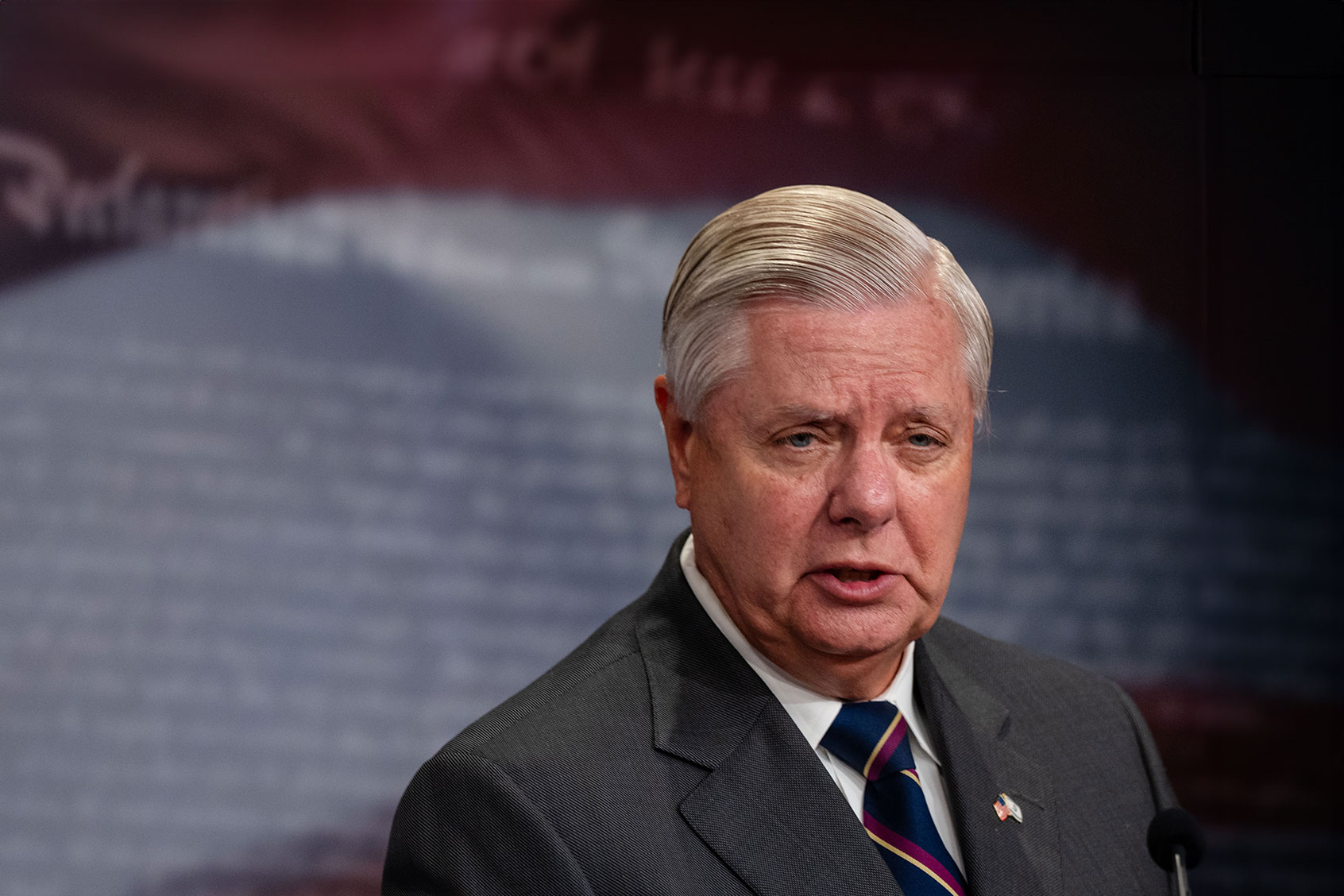
Tensions between the United States and Cuba escalated recently, with Senator Lindsey Graham issuing a stark warning to the Cuban government. In a social media post, Graham advised Cuban officials to begin searching for a new place to live, following a wave of aggressive rhetoric from U.S. leaders in the wake of military actions in the region.
Graham’s comments came shortly after a U.S. invasion of Venezuela, which has heightened concerns among Caribbean nations. He suggested that Cuban leaders should consult with Venezuelan President Nicolás Maduro on how to navigate their precarious situation, stating, “If I were you, I’d be looking for a new place to live.” This statement underscores the growing frustration among U.S. lawmakers regarding Cuba’s political regime.
The backdrop of Graham’s remarks was a post from former President Donald Trump on Truth Social, where he threatened to cut off oil imports to Cuba unless the nation negotiates with the United States. Trump emphasized that Cuba has relied heavily on Venezuelan oil and financial support in the past, declaring, “THERE WILL BE NO MORE OIL OR MONEY GOING TO CUBA – ZERO!” He urged Cuban leaders to secure a deal before it is “too late.”
U.S. Military Threats and Political Rhetoric
The Trump administration has not shied away from making threats against neighboring countries since its intervention in Venezuela. Potential military campaigns have been discussed concerning Cuba, Mexico, Colombia, and even Greenland. During an appearance on the program Meet the Press, Marco Rubio, the U.S. Secretary of State and a long-time critic of the Cuban government, was questioned about the possibility of an invasion of Cuba. He did not dismiss the idea, indicating that the U.S. views the Cuban government as a significant issue.
“The Cuban government is a huge problem,” Rubio stated, acknowledging the internal struggles the regime faces. He refrained from detailing any future U.S. policies but made it clear that the current administration does not support the Cuban regime.
The increasing hostilities reflect a broader strategy among some U.S. lawmakers to address perceived threats from authoritarian regimes in the hemisphere. The consequences of such rhetoric and potential actions could have far-reaching implications for relations between the U.S. and its Caribbean neighbors.
As the geopolitical landscape shifts, the focus remains on how these threats will be received in Cuba and whether they will prompt any significant changes in the island nation’s government or its approach to diplomacy with the United States.