
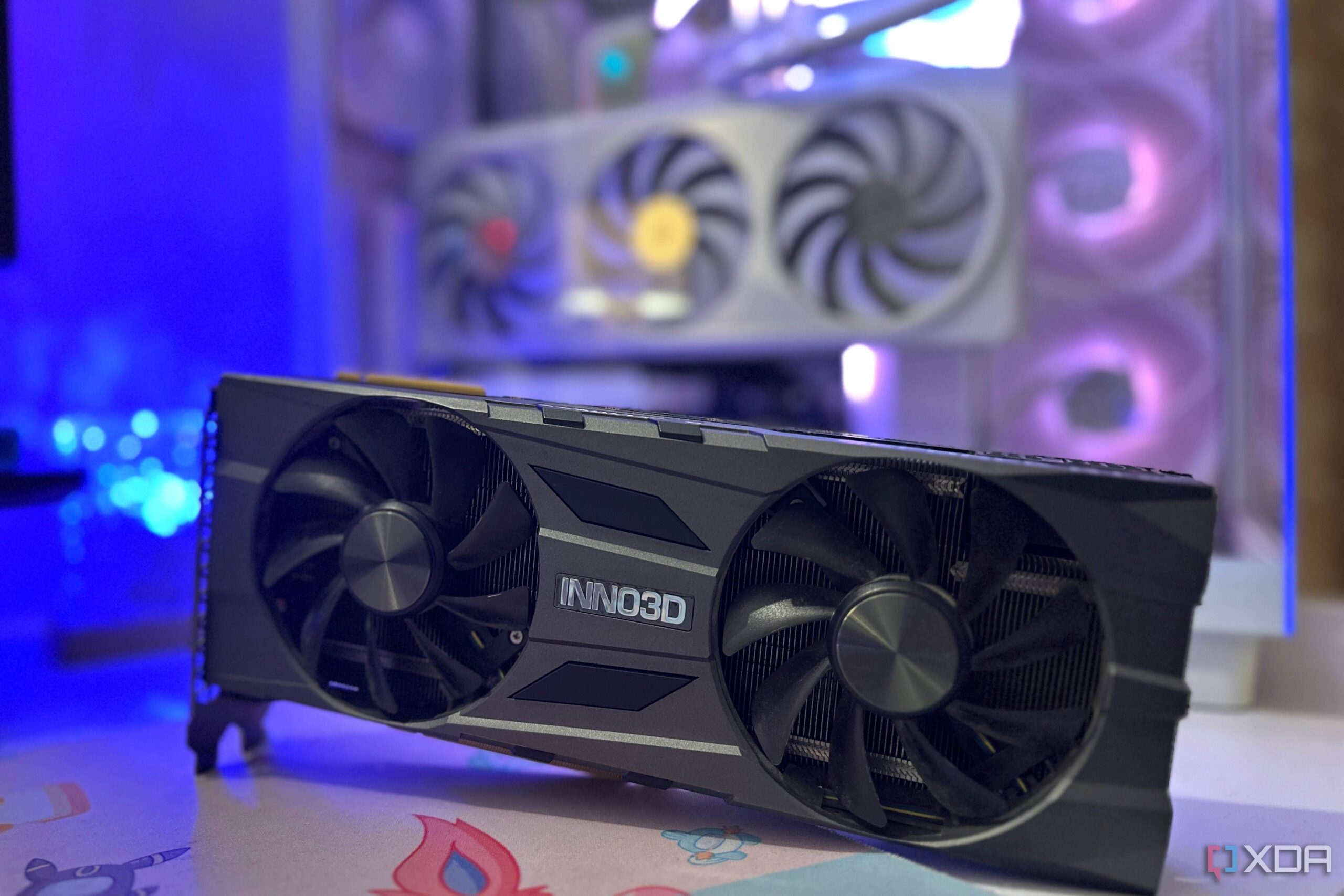
URGENT UPDATE: Gamers are rapidly shifting from overclocking to undervolting their GPUs, with many reporting significant performance improvements. As of today, the latest feedback highlights how undervolting can lead to cooler, quieter, and more consistent performance, especially with high-end graphics cards like the RTX 4090.
Many gamers initially overclock their GPUs in a bid to gain an extra 3-5% in performance, believing it to be a simple way to enhance their gaming experience. However, recent experiences reveal that this approach often leads to higher temperatures, increased fan noise, and inconsistent performance—a reality that many are now reconsidering.
The process of overclocking involves adjusting core and memory clock sliders using software like MSI Afterburner. While this may seem straightforward, even a mild overclock can push GPUs to their thermal limits. Reports indicate that many users are experiencing temperatures soaring to 80 degrees Celsius under load, causing discomfort during extended gaming sessions.
The alarming trade-off is clear: overclocking not only burdens the GPU with additional heat but also leads to fluctuating boost clocks, ultimately detracting from the gaming experience. Many gamers, like one RTX 4090 owner, have found that this method of performance enhancement is not worth the stress on their hardware, as it compromises the overall gaming experience.
In contrast, undervolting offers a refreshing alternative. By reducing the voltage supplied to the GPU, users have reported a decrease in power consumption by 35-40 watts and a drop in temperatures by 2-3 degrees Celsius during gameplay. This method allows the GPU to operate more efficiently without the need to push it to its limits, resulting in a more stable and enjoyable gaming experience.
Undervolting is not without its challenges; it requires patience for stability tests and fine-tuning of the voltage curve. However, those who have made the switch report that once optimized, the performance remains nearly identical to stock settings, with average FPS staying within 1-2% of the original output.
For gamers using high refresh rate monitors, like the Alienware AW2725DF, the benefits of undervolting are particularly pronounced. Users are finding that consistent performance feels better than the fleeting gains from overclocking. The emotional impact of knowing their GPU is performing efficiently and quietly cannot be overstated.
As the gaming community evolves, it is becoming clear that undervolting is not just a passing trend but a serious consideration for those looking to maximize their gaming setups without compromising on comfort. The shift from overclocking to undervolting is a testament to the growing demand for sustainable gaming practices that prioritize not only performance but also hardware longevity and user experience.
Moving forward, gamers are encouraged to explore undervolting as a potentially game-changing strategy. The urgent conversation surrounding this method is expected to grow as more users share their success stories and the gaming landscape continues to adapt to more efficient practices.
Stay tuned for further updates on this developing story.