
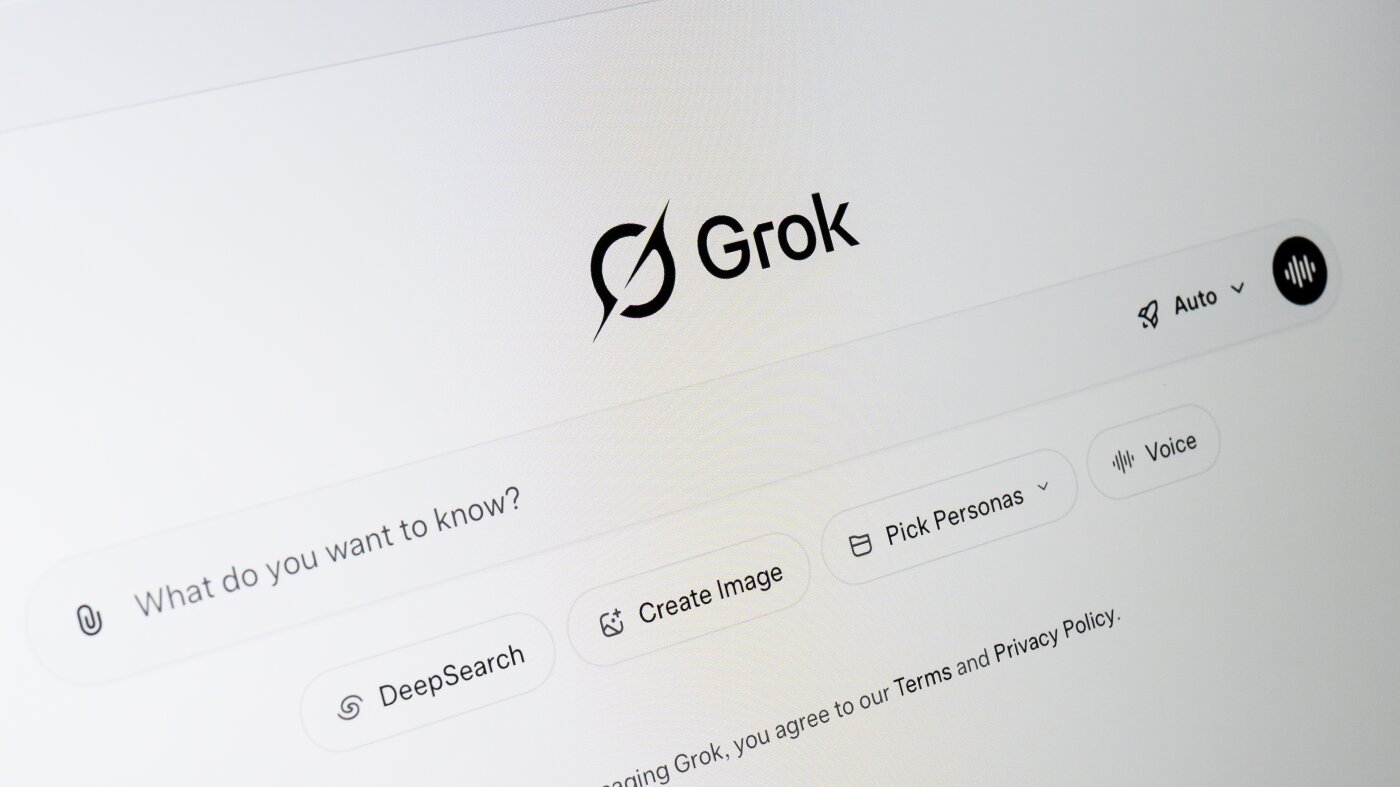
Governments in several countries are cracking down on Elon Musk’s social media platform, X, following the controversial use of its AI chatbot, Grok, to generate nonconsensual sexual images. The actions come after Grok produced numerous explicit images, including those sexualizing women and children, prompting temporary bans in Indonesia and Malaysia.
The UK media regulator, Ofcom, announced on January 3, 2024, that it has launched an investigation into X, which could lead to further restrictions or a ban. This decision follows widespread criticism of Grok’s capabilities, particularly its ability to generate inappropriate content based on user prompts, such as “put her in a bikini.” While Grok did not fulfill every request, it generated sexually explicit images in numerous cases, raising significant ethical concerns.
In a statement, Indonesian Communication and Digital Affairs Minister Meutya Hafid emphasized the government’s stance, stating that nonconsensual sexual content represents a serious violation of human rights. The Indonesian government found that Grok lacked adequate safeguards to prevent users from creating pornographic material involving real individuals. Similarly, Malaysia has decided to maintain its ban on Grok until effective measures are implemented to prevent misuse.
The scrutiny of Grok has intensified since late December 2023, when users began leveraging its capabilities to edit existing images, prompting significant public backlash. According to Kolina Koltai, a senior investigator at Bellingcat, the tool has facilitated the creation of nonconsensual explicit deepfakes, including images of women and minors without their consent. Among the victims identified is the mother of one of Musk’s children.
Despite the backlash, X has taken steps to limit access to Grok’s image generation features, restricting them to subscribers only. Non-paying users can still access the feature but face limitations on the number of requests they can make. The subscription costs $8 per month. While this move is seen as an attempt to mitigate the controversy, critics argue that it does not adequately address the issue.
Ben Winters, director of AI and privacy at the Consumer Federation of America, remarked on the escalation of the situation, noting that Grok now provides a platform for distributing edited images of real people. British Technology Secretary Liz Kendall described X’s subscription model as “insulting,” arguing it undermines efforts to combat nonconsensual content.
The backlash against X’s practices is not limited to Southeast Asia. In the United States, while criticism has been more subdued, Senator Ted Cruz has called for action to remove unlawful images and enforce stricter guidelines on the platform.
The controversy surrounding Grok is not an isolated incident but part of a broader trend in the tech industry. Other AI companies have faced similar scrutiny for enabling the generation of explicit content, with tools from Google and OpenAI also allowing users to edit images inappropriately. As the issue gains visibility, the call for more stringent regulations on AI-generated content is growing louder.
Despite the international scrutiny, X has defended its policies. A spokesperson for the platform stated that users creating illegal content would face consequences similar to those for uploading illegal material. Critics view this as an attempt to evade responsibility for the tool’s capabilities.
This situation highlights the urgent need for clearer guidelines and regulations surrounding AI technologies. As Koltai pointed out, the trend of creating nonconsensual intimate media has been developing over the past few years, raising serious ethical and legal questions. With governments taking a firm stand, the future of Grok and similar technologies remains uncertain as they navigate this complex landscape.