
Pressure is mounting on GOP leaders in Congress as rising health insurance premiums threaten to escalate into a national healthcare crisis. On Thursday, four Republican senators made headlines by breaking away from party lines to vote against a proposal aimed at addressing these concerns. Their actions signal a significant rift within the party regarding how to tackle the anticipated surge in health costs in 2024.
Senators Rand Paul (R-Ky.), Mike Lee (R-Utah), Ted Cruz (R-Texas), and Josh Hawley (R-Mo.) expressed their dissatisfaction with the current leadership’s approach to health insurance subsidies. They emphasized the need for immediate action to alleviate the financial burden on Americans facing skyrocketing premiums. This unexpected move highlights the growing frustration among rank-and-file Republicans, who are increasingly vocal about the party’s stance on healthcare.
Rising Health Care Costs Prompt Urgent Response
The impending rise in health insurance premiums is expected to affect millions across the nation, provoking fears of a widespread healthcare crisis. According to projections, average premiums could increase by as much as $1,200 annually for many families. As these financial pressures mount, Republican senators are urging party leaders to consider more sustainable and effective solutions.
The dissenting senators have called for a comprehensive review of existing health policies. They argue that the current proposals do not adequately address the root causes of rising costs and fail to provide meaningful relief to constituents. By voting against the leadership-backed proposal, they are pushing for a more aggressive stance on healthcare reform.
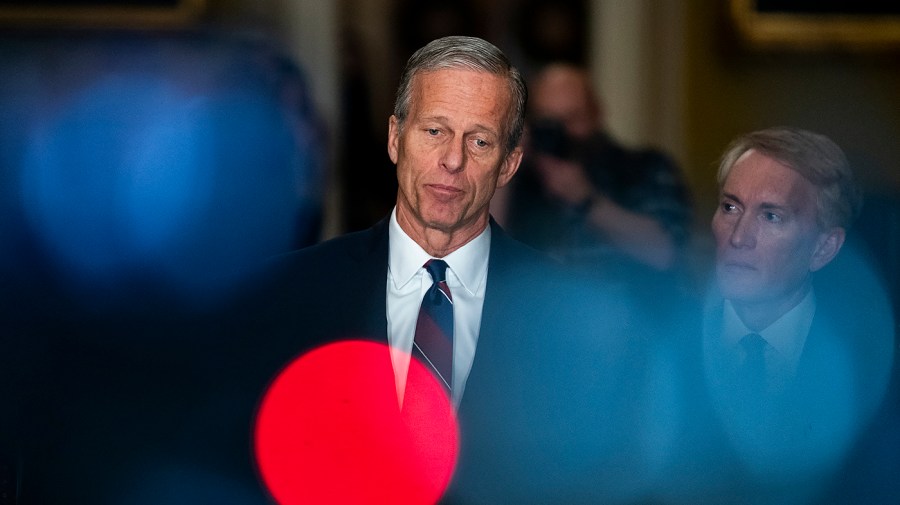
Senate Majority Leader John Thune (R-S.D.) is now faced with the challenge of uniting the party while addressing the urgent needs of their constituents. Thune has expressed his intention to engage with these senators to find a path forward that reflects the concerns of all members within the party.
Implications for the Republican Party
This internal conflict raises significant questions about the Republican Party’s future direction on healthcare policy. The defection of these senators may signal a shift towards a more populist approach, prioritizing the immediate financial concerns of voters over traditional party lines.
With the 2024 elections on the horizon, the pressure is on GOP leaders to respond effectively to these challenges. Failure to address the rising healthcare costs could alienate voters at a time when their support is crucial. As the party navigates these turbulent waters, the actions of the four dissenting senators may play a pivotal role in shaping the future of healthcare policy within the Republican agenda.
In summary, the recent actions of these Republican senators highlight a growing urgency to confront rising health insurance premiums and the potential crisis looming in American healthcare. As party leaders scramble to respond, the implications of this internal rift may resonate far beyond the Senate chambers, impacting the GOP’s electoral prospects in the coming year.