
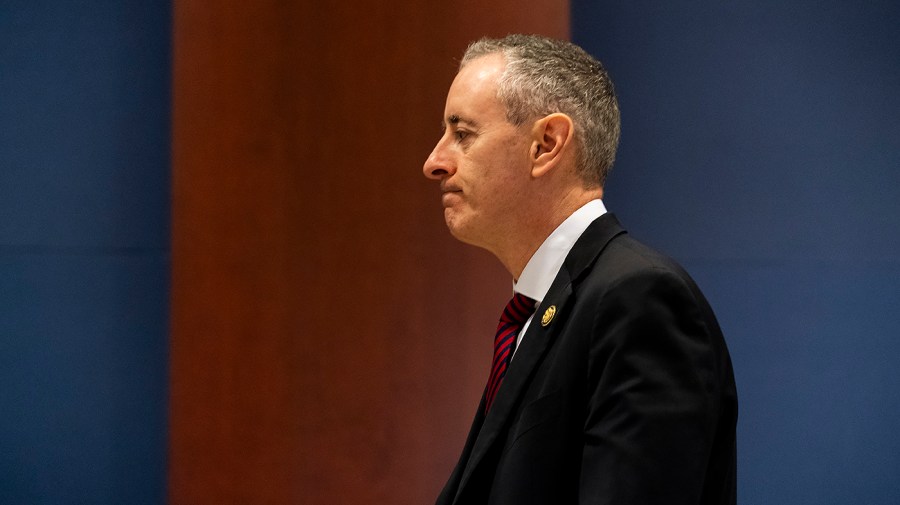
In a striking accusation, Representative Brian Fitzpatrick (R-Pa.) claimed on March 6, 2024, that Republican leaders intentionally structured the debate surrounding amendments to the Affordable Care Act, commonly known as ObamaCare, to ensure their failure. Fitzpatrick voiced his concerns during a press briefing, asserting that the fear of a proposal gaining broad support should not be a reason to withhold it from a vote.
Fitzpatrick emphasized the importance of allowing all voices to be heard in the legislative process. “Fear of a bill getting 218 votes on the floor is not a reason to keep it off,” he stated. “It’s a reason to put it on the floor.” This remark highlights a significant divide within the Republican Party as it grapples with its stance on healthcare reform.
The congressman’s comments come in the wake of ongoing discussions about potential changes to ObamaCare, a topic that has been contentious since its inception in 2010. Fitzpatrick, who represents a district in Pennsylvania with a mix of urban and suburban communities, has expressed a desire for a more open and transparent approach to legislation that affects millions of Americans.
Internal Frictions Among GOP Leaders
Fitzpatrick’s criticism sheds light on a broader narrative within the GOP, where divisions regarding healthcare policy are increasingly evident. Reports indicate that some party members are resistant to legislation that could gain substantial bipartisan support. This reluctance appears to be motivated by a desire to maintain party unity and control over the legislative agenda.
In the past, Republican leaders have expressed concerns that allowing a floor vote on certain amendments could lead to political vulnerabilities. Fitzpatrick’s perspective challenges this mindset, suggesting that the party should embrace opportunities for constructive debate rather than stifle them out of fear.
The implications of Fitzpatrick’s statements extend beyond party politics. Healthcare remains a pivotal issue for voters, and how the GOP navigates this landscape may significantly impact its electoral prospects in upcoming elections.
Calls for Bipartisanship
As the debate continues, several lawmakers, including Fitzpatrick, are advocating for a more inclusive process that welcomes input from both sides of the aisle. They argue that collaboration can lead to solutions that better serve the American public.
With healthcare being a priority for many constituents, Fitzpatrick’s call for action resonates in a political climate where voters are eager for tangible improvements. The situation underscores the ongoing challenges faced by the Republican Party as it seeks to balance internal disagreements while responding to the needs of the electorate.
As discussions around health policy evolve, the spotlight remains on how GOP leadership will respond to calls for transparency and bipartisan cooperation. The outcome of these deliberations could influence not only the future of ObamaCare but also the direction of the Republican Party as it heads into the next electoral cycle.