
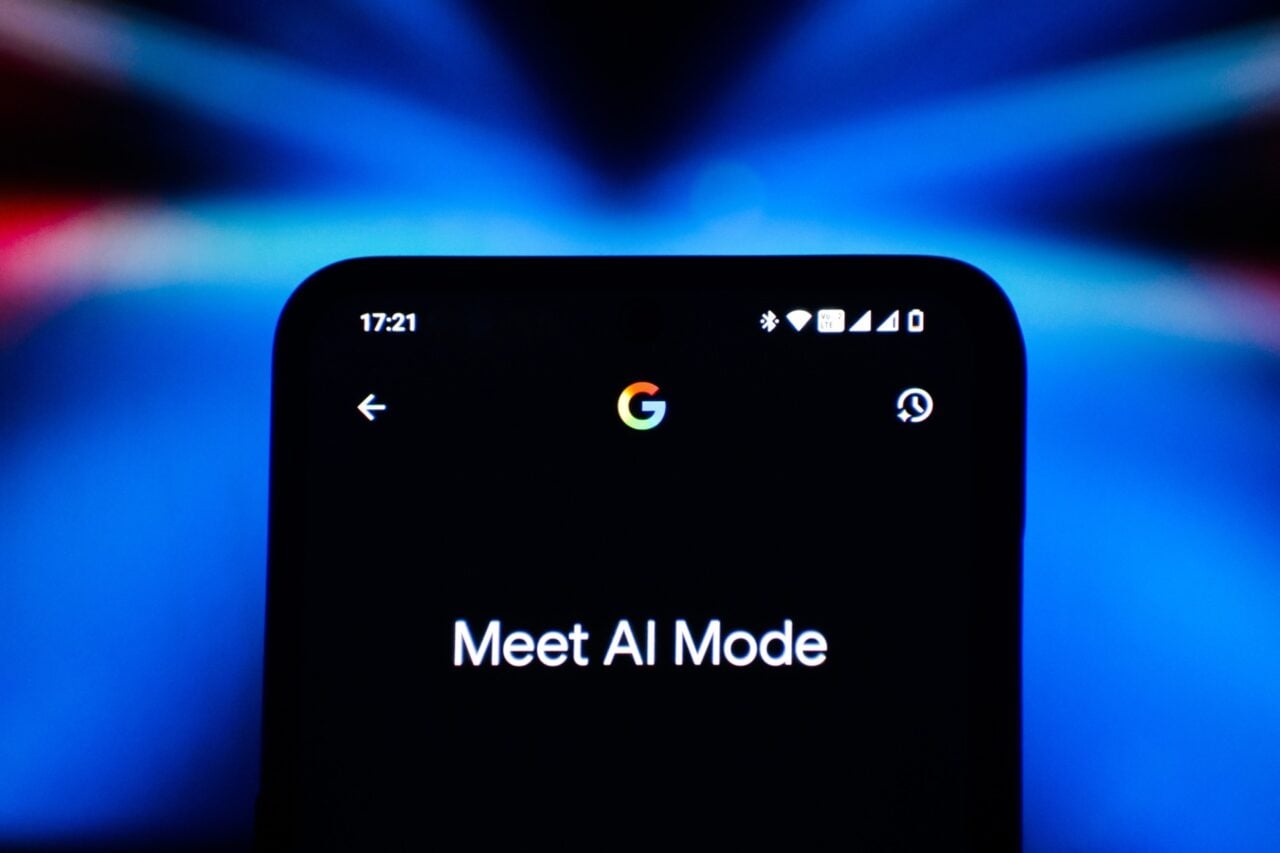
UPDATE: Google has just revealed its ambitious plan to transform the way users interact with the internet through hyper-personalized AI. In a statement made on the Limitless podcast, Robby Stein, Google’s VP of product for Search, emphasized that the future of AI lies not just in providing factual information but in offering tailored advice and recommendations.
This strategy comes as a response to the evolving needs of users who increasingly seek personalized solutions, such as where to dine or travel. “They want to know where to eat for dinner, they want to know where to travel with their family,” Stein stated, highlighting an urgent opportunity for Google to deepen its understanding of individual preferences.
Google plans to enhance its AI models by leveraging connected services like Gmail, enabling them to create a comprehensive profile of user likes and dislikes over time. This means users could receive alerts about products they may love, such as a dream couch on sale, based on their evolving conversations and activity across Google services.
The implications of this shift are monumental. Earlier this year, a court ruling confirmed that AI technology poses a genuine challenge to Google’s market dominance, marking a pivotal shift in the tech landscape. With the successful launch of its new AI model, Gemini, Google is integrating this technology across its entire ecosystem, including Google Workspace, Maps, YouTube, and even third-party platforms like WhatsApp and Spotify.
But the stakes are high. As personalization becomes more prevalent, the potential risks to user privacy grow significantly. Prominent figures, including OpenAI CEO Sam Altman, have raised alarms about the implications of extensive data collection. “If you’re telling a model all about your private healthcare issues, and then you have it buying something for you, you don’t want that e-commerce site to know about all of your health issues,” he cautioned during a recent discussion at Stanford University.
While Google’s move towards hyper-personalization aims to enhance user experience, it raises critical questions about data security and privacy. The company has already initiated experiments in AI-enhanced advertising, aiming to capitalize on this new frontier, especially as competitors like Meta ramp up their own AI initiatives.
As Google continues to innovate, the landscape of digital interaction is poised for a significant shift. Users should remain vigilant about how much personal information they share and understand the potential consequences of these advanced technologies.
Stay tuned for more updates as Google rolls out these developments and transforms the digital experience. The future of search is not just about finding answers; it’s about creating an ongoing conversation tailored just for you.