
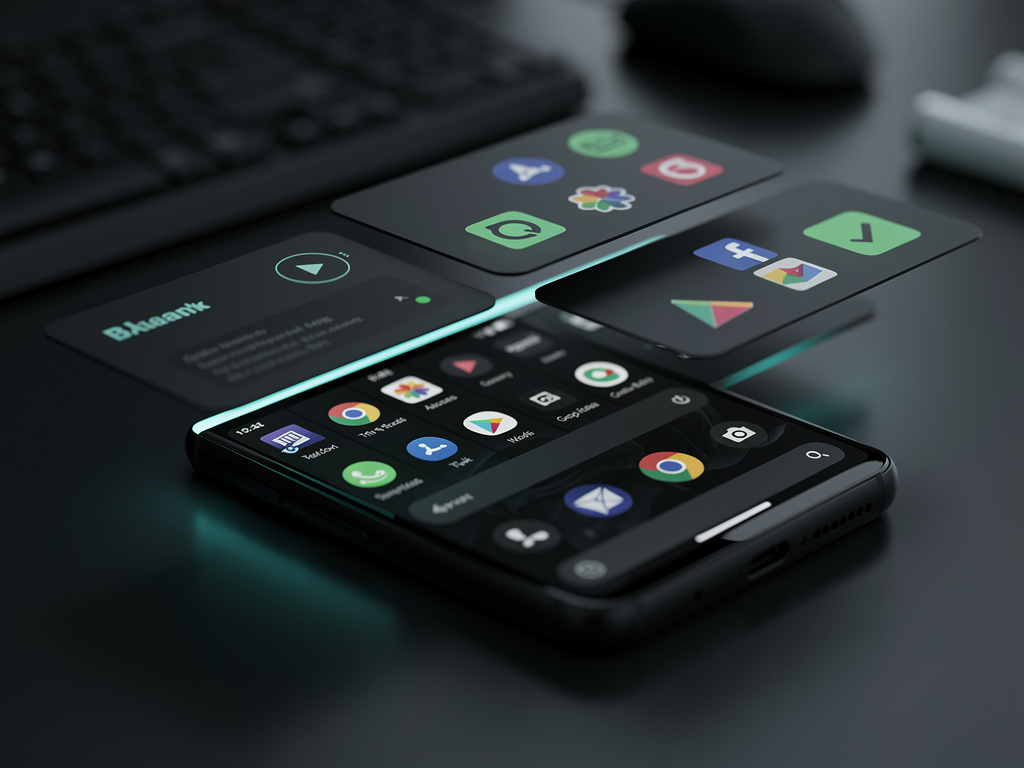
UPDATE: Google has just launched the much-anticipated Expanded Dark Mode in its Android 16 QPR2 update, now available for Pixel 6 and newer devices. This bold move allows users to apply dark themes across a wider range of applications, enhancing visual consistency and user experience, particularly in low-light settings.
This significant update, rolled out in December 2025, addresses a long-standing demand from users seeking a seamless visual experience. The Expanded Dark Mode not only improves aesthetics but also boosts battery efficiency by optimizing power consumption on OLED displays. Early reports indicate that users can save up to 10% battery life during extended use with dark themes enabled.
According to Google, activating this feature is straightforward. Users can navigate to Settings > Display > Dark theme, where a new toggle for “Expanded dark mode” will appear. Once activated, the system will algorithmically invert colors in apps that do not natively support dark mode, creating a unified aesthetic throughout the device.
Tech experts are praising the rollout, indicating that this feature has the potential to reshape user interactions with mobile applications. As noted by analysts, this update is not just about style; it represents a strategic push for accessibility, aiming to reduce eye strain and improve readability for many users.
The Expanded Dark Mode aligns seamlessly with Google’s commitment to accessibility, coming alongside other updates in TalkBack and Gemini tools. This comprehensive approach highlights Google’s intent to create a more inclusive user experience across its devices.
However, the rollout is not without its challenges. Some users have reported glitches in certain applications, such as distorted icons or clashing color schemes. Google is aware of these issues and has committed to providing iterative fixes in upcoming updates.
As developers adapt to this new feature, there’s a growing expectation for native dark mode support in apps. Insights from industry discussions indicate that this could lead to a shift in app development standards, encouraging third-party creators to implement Google’s theming APIs more rigorously.
The community response has been overwhelmingly positive. Users on social media platforms have shared their experiences, noting significant reductions in eye fatigue during nighttime usage. One enthusiastic Pixel owner remarked that the dark mode transforms legacy banking apps into more visually comfortable interfaces, thereby enhancing usability for individuals with visual sensitivities.
Looking ahead, experts speculate that Google might expand this feature to non-Pixel devices, further broadening its impact across the Android ecosystem. The introduction of the Expanded Dark Mode is seen as a game-changing development that could influence the future of mobile interface design.
As Google prepares for Android 17, leaks suggest even more advanced theming options, potentially incorporating AI-driven adaptive modes that react to ambient light and user habits. This indicates a continuous evolution in how users interact with their devices, paving the way for healthier tech habits.
In summary, Google’s launch of the Expanded Dark Mode is not just a cosmetic update; it’s a pivotal shift towards enhancing user experience and accessibility on Pixel devices. As the tech giant continues to refine its offerings, the anticipation for future updates remains high, with users eagerly embracing these innovative features.