
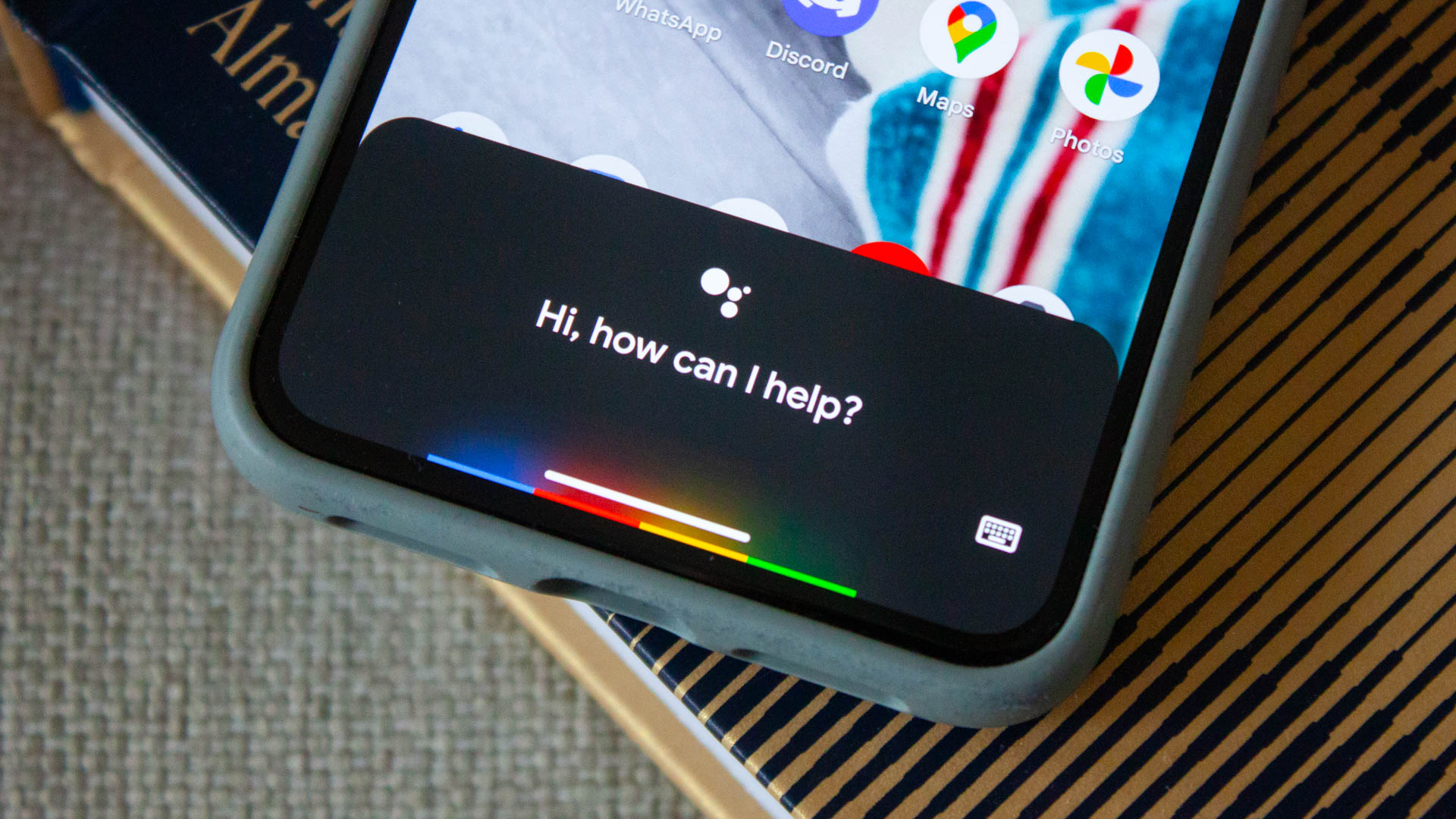
Google has announced a significant delay in the transition from its long-standing voice assistant, Google Assistant, to its new platform, Gemini. Initially set to be completed by the end of 2025, the transition will now extend well into 2026. This update, shared in a community post on Friday and reported by The Verge, aims to ensure a smoother transition for users.
The decision to push back the timeline comes as Google recognizes the complexities involved in shifting hundreds of millions of users from a decade-old system to a more advanced, Large Language Model (LLM)-based assistant. While Gemini has demonstrated impressive capabilities in tasks like summarization and context understanding, it has faced challenges with basic functions such as setting timers and controlling smart home devices as reliably as Google Assistant.
By extending the timeline, Google is allowing time to address these issues and reach full feature parity between the two platforms. As of now, users of the Pixel 10 series and other devices running on Wear OS, Android Auto, and Google Home are already experiencing Gemini as the default assistant. For those on older devices, the transition will not be immediate, providing them with additional months of reliable “Hey Google” functionality.
What Lies Ahead for Users
Despite the delay, the transition to Gemini is still a priority for Google. Once finalized in 2026, the standalone Google Assistant app will be removed from the Google Play Store. Users on devices that meet certain requirements—specifically those running Android 10 or higher and having at least 2GB of RAM—will be required to upgrade to Gemini.
Internal documents indicate that March 2026 may serve as a target date for the transition on specific platforms like Android Auto. Google has promised to provide further details in the months ahead, allowing users to prepare for the change.
For users who have already adopted Gemini and appreciate its features, the delay has minimal impact. However, for those who prefer Google Assistant for their daily tasks, the additional time can be beneficial. This period can be utilized to explore and familiarize themselves with Gemini’s new functionalities, which include capabilities such as making phone calls and setting timers without needing to toggle on AI training.
The shift to Gemini represents a significant technological advancement for Google, but it is essential that the transition is executed smoothly to maintain user satisfaction. As the tech giant navigates this complex upgrade, users can expect continued developments in the coming months.