
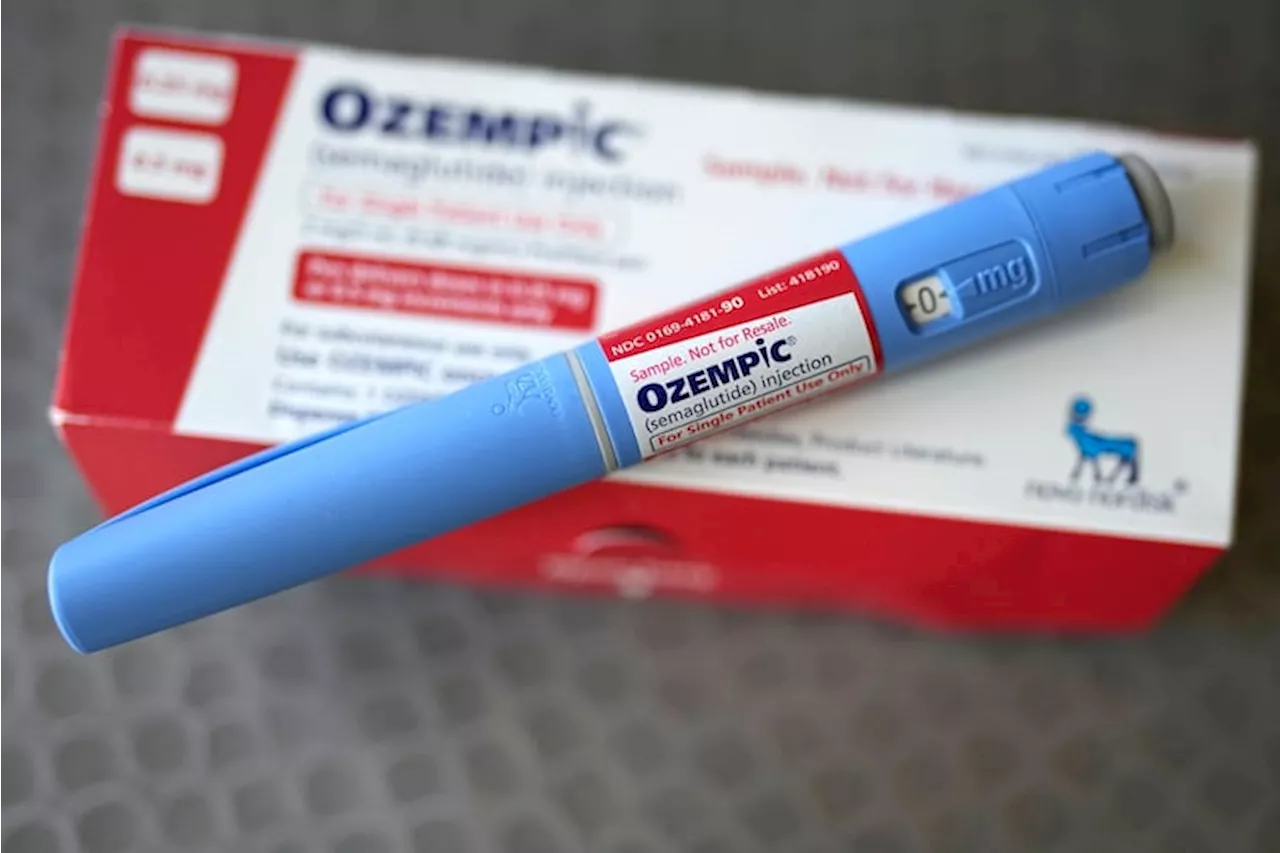
New research indicates that GLP-1 drugs, such as Ozempic, may significantly increase the risk of skeletal disorders. An analysis involving nearly 150,000 patients revealed that individuals taking these medications faced notably higher risks for conditions affecting bone and tendon health.
The findings, presented in March 2024, suggest that patients on GLP-1 therapy had a 30% elevated risk of osteoporosis, a disease that can weaken bones and lead to fractures. Additionally, the risk of developing gout, a painful form of arthritis, increased by 12%. The study also noted a staggering rise of more than 150% in the risk of osteomalacia, a condition characterized by softening of the bones.
Dr. John Gabriel Horneff, an associate professor of clinical orthopedic surgery at the University of Pennsylvania and one of the study’s authors, emphasized that while the overall population-level risk may appear small, even a modest increase can have serious implications for individuals, particularly older adults. A fracture in this demographic can trigger a cascade of complications, often leading to severe health issues.
The research controlled for various factors, including age, sex, race, tobacco use, and existing medical conditions, but it does not establish causation, only an association. As a result, questions remain about the longevity of bone loss during GLP-1 treatment and whether bone density can recover once the medication is discontinued.
Despite the concerns raised, Dr. Clifford Rosen from Tufts University, who was not involved in the study, noted that the risks should not overshadow the substantial benefits these drugs offer. GLP-1 medications have shown effectiveness in reducing body weight, improving blood sugar control, and lowering risks associated with cardiovascular events and kidney disease.
The research also pointed to an increased risk of tendon ruptures among this patient population, with a reported 50% increase over five years for injuries involving the pectoralis major, rotator cuff, and Achilles tendon. Dr. Horneff and his colleagues began their investigation after observing a pattern of unusual injuries in patients taking GLP-1 medications, where patients would sustain severe tendon injuries during routine activities rather than high-intensity workouts.
One hypothesis for the bone loss connection is that GLP-1 medications may disrupt hormones essential for bone metabolism. Additionally, the rapid weight loss associated with these drugs could lead to nutritional deficiencies, impacting bone health. Dr. Horneff noted that if a person who previously weighed over 300 pounds experiences a sudden weight drop, the mechanical load on their bones changes, potentially disrupting normal bone metabolism.
Pharmaceutical companies are aware of these findings. Dr. Rosen mentioned that some companies are working on new versions of GLP-1 medications designed to mitigate bone loss. Currently, among the four GLP-1 drugs on the market—Ozempic, Wegovy, Mounjaro, and Zepbound—only Wegovy includes a warning about potential fracture risks in its prescribing information.
In response to the study, a spokesperson for Novo Nordisk, the manufacturer of Ozempic and Wegovy, stated that patient safety is a priority and that they collaborate closely with regulatory authorities to monitor the use of their medications. Similarly, Eli Lilly, which produces Mounjaro and Zepbound, highlighted their commitment to monitoring and evaluating safety information for all their products.
The implications of these findings underscore the importance of medical supervision during GLP-1 treatment. Dr. Miranda Stiewig-Rapp, an assistant professor of endocrinology at UC Davis Health, advised that patients should combine the use of GLP-1 drugs with nutrient-rich diets and regular exercise to optimize health outcomes.
In light of this study, patients at higher risk for bone health issues might consider discussing bone-density scans with their healthcare providers. As research continues, the hope is to clarify the relationship between GLP-1 medications and skeletal health while still recognizing the significant benefits these treatments can provide.