
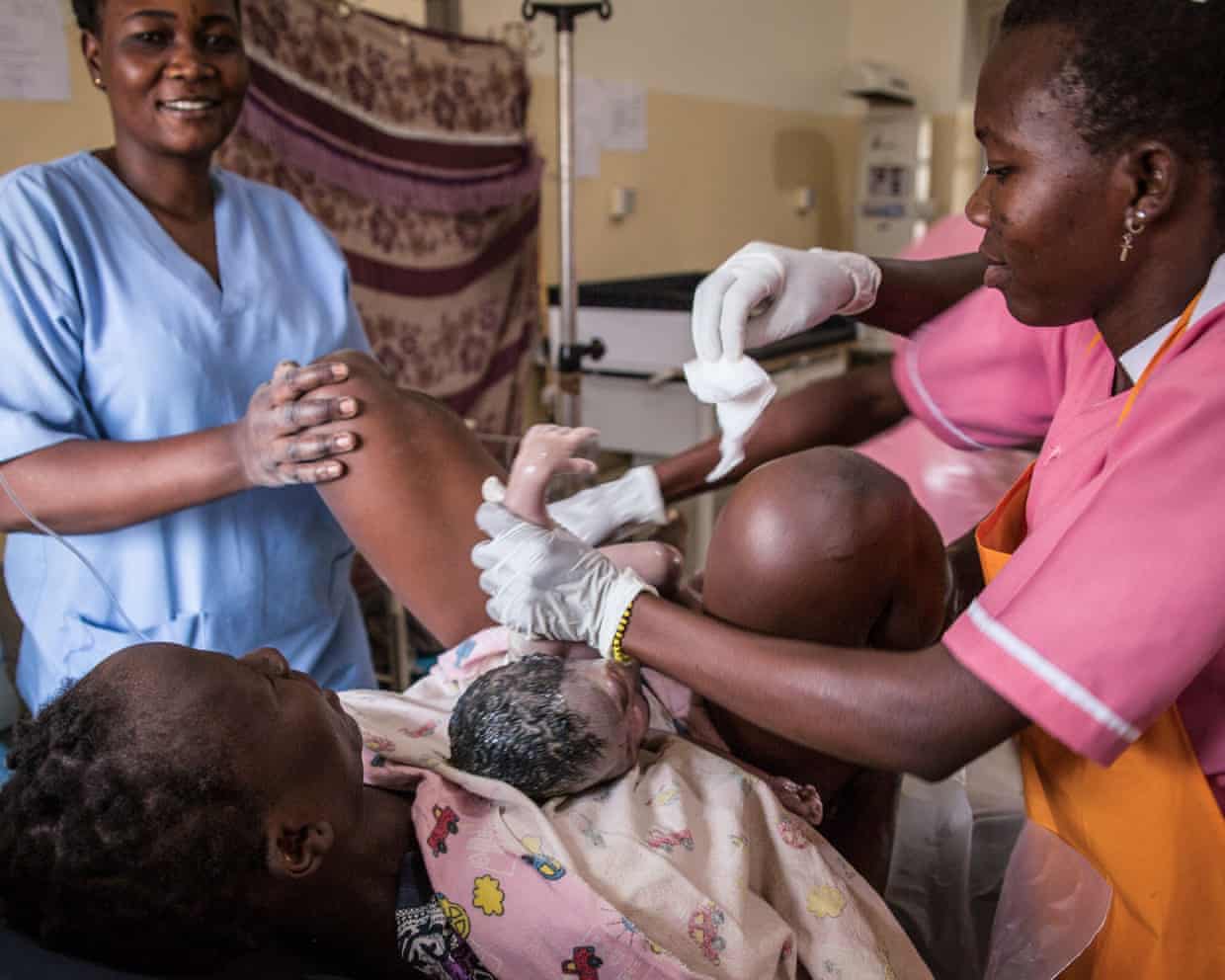
A recent study highlights a critical shortage of nearly 1 million midwives worldwide, which is jeopardizing essential maternity care for pregnant women. The research indicates that this shortage is particularly severe in Africa, where 90% of women live in countries lacking sufficient midwifery support. This alarming trend is raising the rates of maternity interventions and increasing risks for mothers and their babies.
According to the International Confederation of Midwives (ICM), which conducted the study, the current midwifery workforce is overstretched, resulting in rushed and fragmented care. Anna af Ugglas, the ICM’s chief executive and co-author of the study, emphasized the implications of this shortage, stating, “Nearly 1 million missing midwives means health systems are stretched beyond capacity, midwives are overworked and underpaid.” She added that as a result, women are more likely to experience poor-quality care or mistreatment during pregnancy and childbirth.
The study reveals that to ensure safe, high-quality care for all women throughout their pregnancy journey, an additional 980,000 midwives are required across 181 countries. Previous research has underscored the potential of midwifery care, suggesting that universal access could prevent up to two-thirds of maternal and newborn deaths and stillbirths, saving approximately 4.3 million lives annually by 2035.
The ICM identifies two main challenges contributing to the midwife shortage: a lack of training opportunities and inefficiencies in employing trained professionals where they are most needed. Prof Jacqueline Dunkley-Bent, the ICM’s chief midwife and co-author of the report, noted that while many midwives are educated, they are often not integrated into the workforce or are unable to practice fully. This situation exacerbates the existing shortage and leaves many women without access to vital care.
The global midwife shortage disproportionately affects low- and middle-income countries, with over 90% of the deficit located in these regions. In Africa, the current workforce meets only 40% of the need, while the eastern Mediterranean region fulfills just 31% of its requirements. The Americas, meanwhile, are only able to provide 15% of the midwives needed. Other regions, such as South-East Asia and Europe, experience smaller but still significant shortfalls.
This comprehensive study, published in the journal Women and Birth, calculated the necessary number of midwives to perform essential tasks, including antenatal care, childbirth assistance, and postpartum support. Researchers acknowledged that their findings might be limited due to inadequate data. They warned that although the number of midwives is gradually increasing, the gap between the required workforce and the available professionals is projected to persist well into the next decade, surpassing the 2030 target set by global sustainable development goals aimed at reducing maternal mortality and preventing deaths of newborns and young children.
In response to the findings, the ICM has called on governments to take immediate action to bolster midwifery workforces. The organization is advocating for a global petition to secure investment in midwifery, emphasizing the need for better support and recognition of the profession. Af Ugglas stated, “When midwifery is a respected and well-supported profession, more women are motivated to train and stay in the workforce. That is how countries improve health outcomes and build stronger, more sustainable health systems.”
As the global community grapples with this pressing issue, the findings of the ICM’s study serve as a crucial reminder of the importance of midwifery in safeguarding maternal and child health. The call for action is clear: without addressing the midwife shortage, millions of women and newborns will continue to face unnecessary risks during one of the most vulnerable times in their lives.