
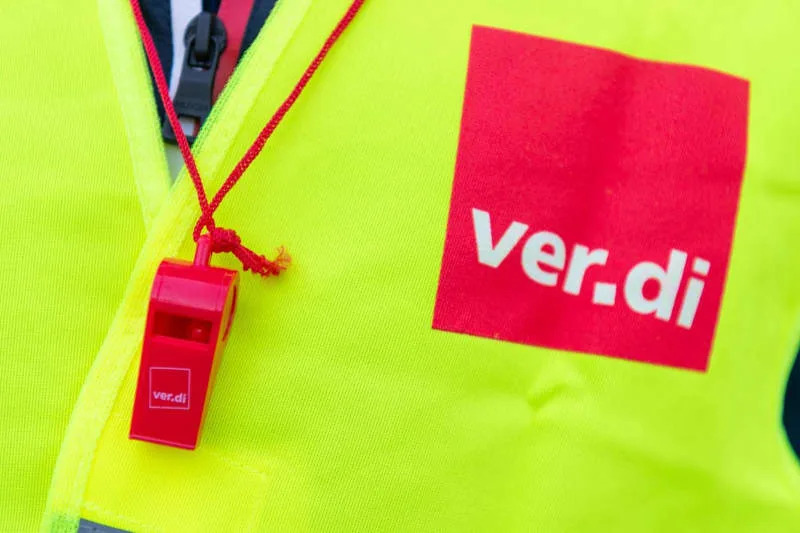
Commuters across Germany are bracing for significant disruptions on Monday as the Verdi union has announced strikes affecting most of the country’s public transport network. This announcement, made on Friday, comes as the union seeks to intensify pressure on employers during ongoing collective bargaining negotiations.
The planned walkouts will impact services in 14 of Germany’s 16 states, with almost 100,000 employees from 150 municipal transport companies expected to participate. As a result, many transport services are likely to come to a standstill, severely affecting daily commuters.
Union representatives are advocating for improved working conditions, which include reduced working hours, extended rest periods, and increased bonuses for night and weekend shifts. In states like Bavaria and Brandenburg, the unions are also pushing for wage increases to be included in the negotiations.
The collective bargaining discussions are taking place with local employers’ associations across all 16 states. Germany has experienced a surge in strikes recently, with various sectors, including staff at university hospitals and education workers, joining in industrial action to demand better conditions and pay.
This strike action highlights the growing tension between workers and employers in Germany, as employees seek recognition for their contributions and improvements in their work-life balance. The outcome of these negotiations could set a precedent for future labor relations in the country.
As commuters prepare for the potential fallout from the strikes, public transport authorities are advising passengers to check service updates and plan alternative travel arrangements where possible. The impact of the disruptions may extend beyond just transport, affecting local economies and daily life in the affected regions.