
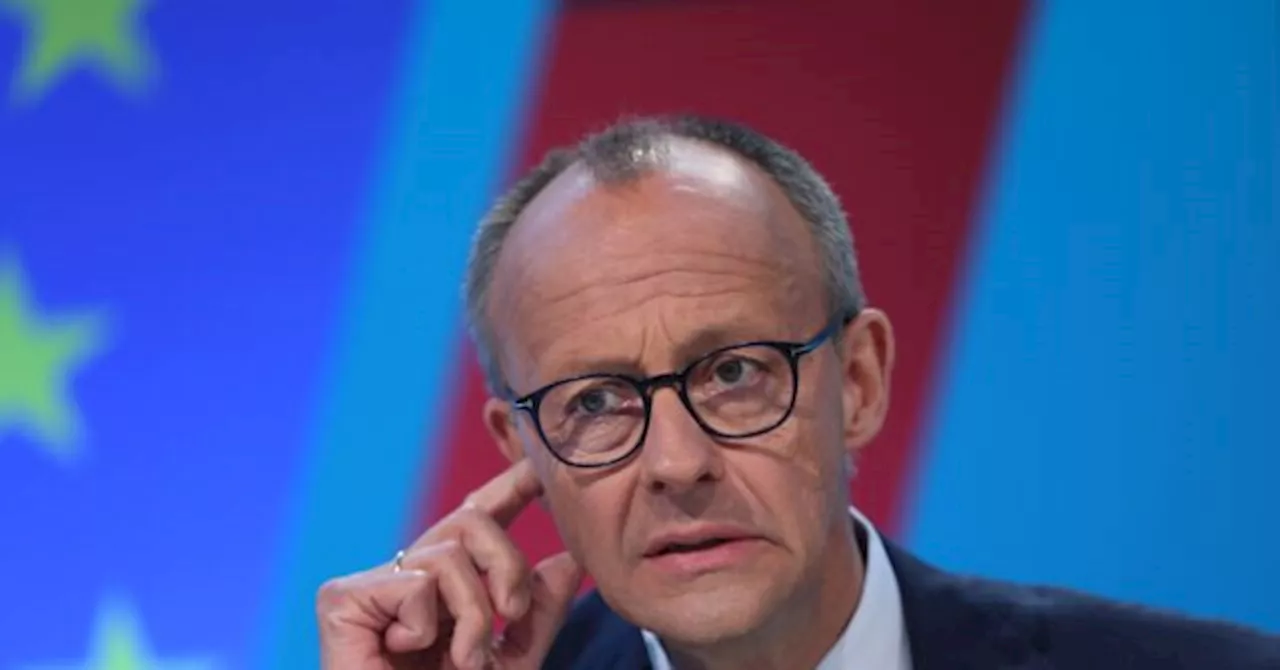
German Chancellor Friedrich Merz has filed hundreds of criminal complaints against citizens for insulting remarks made during his political career. Reports indicate that the complaints include derogatory terms such as “little Nazi,” “asshole,” and “filthy drunk.” Many of these actions were taken while Merz served as a member of parliament.
Documents from a law firm commissioned by Merz reveal that these complaints have led to police actions, including searches that have raised concerns about their legality. In one notable incident, police seized the mobile phone of an elderly woman with disabilities, restricting her ability to communicate with her healthcare providers. The search related to the “little Nazi” comment was subsequently deemed unlawful.
Collaboration with Online Monitoring Agency
Merz is reported to have partnered with an internet monitoring agency named So Done:, founded by former Free Democrat politician Alex Brockmeier. This agency monitors social media for hate speech directed at political figures, operating without charge in exchange for a share of any fines imposed on offenders. This arrangement highlights the contentious nature of Germany’s laws regarding insults directed at politicians, where the government can take action without individual complaints being filed.
In several instances, the Berlin prosecutor’s office has initiated investigations based on tips from organizations such as Hesse Against Hate, a project supported by the local interior ministry. One case involved a comment where a user referred to Merz as an “asshole.” This investigation is currently being pursued as a politically motivated extremist crime.
While Merz’s office confirmed that over 170 contacts have been made with police and public prosecutors concerning alleged insults since he took office, a spokesperson stated that he has not personally signed any complaints since becoming Chancellor in February 2025. Nevertheless, the practice of filing complaints raises important questions about free speech and the treatment of political discourse in Germany.
Criticism of Censorship and Free Speech
The actions of Merz’s government have drawn criticism from various quarters, including the Trump administration, which has condemned the rising climate of censorship within the European Union. U.S. Under Secretary of State Sarah B. Rogers criticized the European Commission’s recent fine of $140 million against Elon Musk’s X, suggesting that the measures are more often directed at ordinary citizens rather than big tech firms.
Rogers highlighted a case where a German woman received a more severe sentence for an insult than a convicted rapist, further illustrating the complexities of free speech laws in the region. The situation underscores the ongoing debate regarding the balance between protecting political figures from abuse and preserving the rights of citizens to express their views without fear of legal repercussions.
As Germany navigates these challenges, the implications for political discourse and citizen engagement remain vital areas of concern. The situation continues to evolve, drawing attention to the fine line between accountability and censorship in democratic societies.