
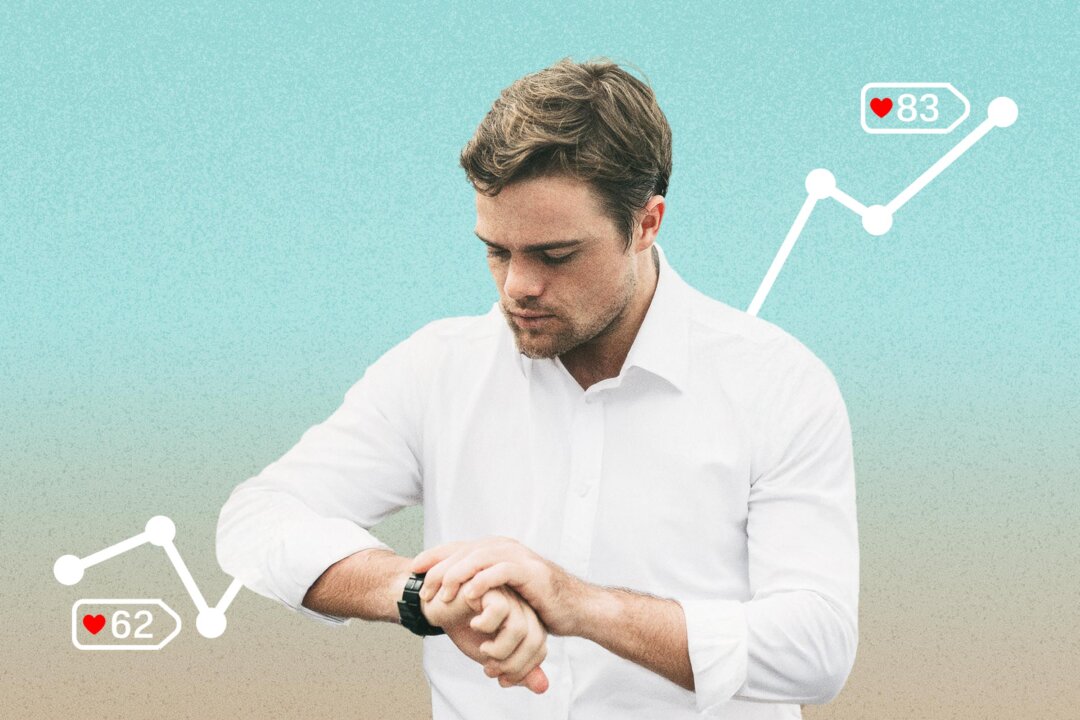
When Stanford geneticist Michael Snyder experienced unusual heart rate and oxygen level readings during a flight to Norway, he had no idea that his smartwatch was alerting him to a serious health issue. Despite feeling fine, Snyder’s devices indicated a significant change in his physiological state, ultimately leading to a diagnosis of Lyme disease days later.
The incident highlights the importance of monitoring resting heart rate and other health metrics, which can provide critical insights into one’s overall well-being. Snyder, who was traveling for research, found that his heart rate remained elevated long after the plane took off, a deviation from his past experiences.
Understanding Heart Rate as a Health Indicator
Snyder emphasizes that resting heart rate is a key indicator of various types of stress—both physical and mental. In an interview with The Epoch Times, he explained how consistent monitoring can serve as an early warning system for underlying health conditions.
The smartwatch technology that Snyder utilized is designed to track vital signs continuously. Such devices can detect abnormalities that may otherwise go unnoticed until symptoms become more pronounced. This capability is particularly significant in the case of conditions like Lyme disease, where symptoms may not manifest immediately.
Lyme disease, transmitted by ticks, can lead to severe complications if not diagnosed and treated promptly. Snyder’s experience underscores the potential for wearable technology to play a vital role in preventative health care.
The Growing Role of Wearable Health Technology
As wearable health technology continues to evolve, the ability to track and analyze health data in real-time is becoming more sophisticated. Devices that monitor heart rate, oxygen levels, and other vital signs are increasingly common, providing users with immediate feedback about their health status.
Snyder’s case serves as a reminder of the value of this technology. It not only empowers individuals to take charge of their health but also encourages them to seek medical attention sooner when irregularities are detected.
Moreover, the integration of health monitoring into everyday life is paving the way for a more proactive approach to medicine. By leveraging data from smart devices, healthcare professionals can offer more personalized care, potentially improving health outcomes for patients.
In conclusion, Snyder’s experience illustrates the profound impact that wearable technology can have on health awareness. As individuals become more attuned to their bodies through the lens of technology, the insights gained can lead to earlier diagnoses and more effective treatment options. Monitoring metrics like resting heart rate is not merely a trend but a crucial component of modern health management.