
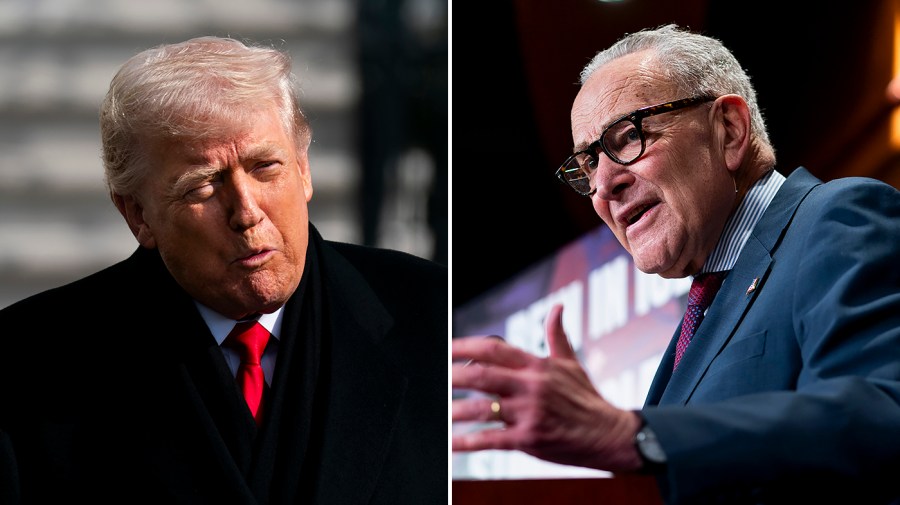
Discussions regarding funding for the Department of Homeland Security (DHS) have faltered as tensions escalate between the White House and Democratic leaders. Administration officials have criticized the Republican Party for a lack of willingness to negotiate, pointing to ongoing disagreements over immigration enforcement policies.
Negotiations reached a standstill after Democrats submitted their proposed legislative text outlining reforms aimed at changing the administration’s approach to immigration enforcement. This proposal, sent to the White House in early September 2023, included significant adjustments designed to address concerns about the current immigration system and enhance DHS operations.
The impasse is largely attributed to the Republican Party’s resistance to these proposed reforms. According to sources close to the discussions, GOP leaders expressed frustration over what they see as a lack of concessions from the Democratic side. They argue that the current proposals do not adequately address national security concerns and worry that changes to immigration enforcement could undermine the integrity of the process.
Senate Majority Leader Chuck Schumer emphasized the need for bipartisan cooperation, stating that “compromise is essential for the safety of our nation.” The ongoing deadlock over DHS funding threatens to impact various federal operations, as budgetary constraints could hinder the department’s ability to effectively manage immigration and border security.
As the discussions unfold, political analysts suggest that the stakes are high for both parties. Failure to reach an agreement could result in a partial government shutdown, which would have wide-ranging implications for essential services provided by the DHS. The department is responsible for critical functions such as border protection, emergency response, and cybersecurity.
In Washington D.C., lawmakers are feeling the pressure as the deadline for funding approaches. With the federal fiscal year ending on September 30, 2023, there is growing urgency to finalize a spending plan. Analysts note that the potential for a shutdown increases the political ramifications for both parties, as public opinion may sway based on perceptions of responsibility in the deadlock.
The situation remains fluid, and both sides are expected to continue discussions in the coming days. Observers are keen to see whether any compromises can be made that will satisfy both the need for effective immigration enforcement and the demands for reform aimed at protecting vulnerable populations.
As the clock ticks down, the focus will remain on the capacity of lawmakers to prioritize national security while addressing the pressing human rights issues intertwined with immigration policy. The resolution of this standoff will not only impact the DHS funding but also set the tone for future legislative negotiations in an increasingly polarized political landscape.