
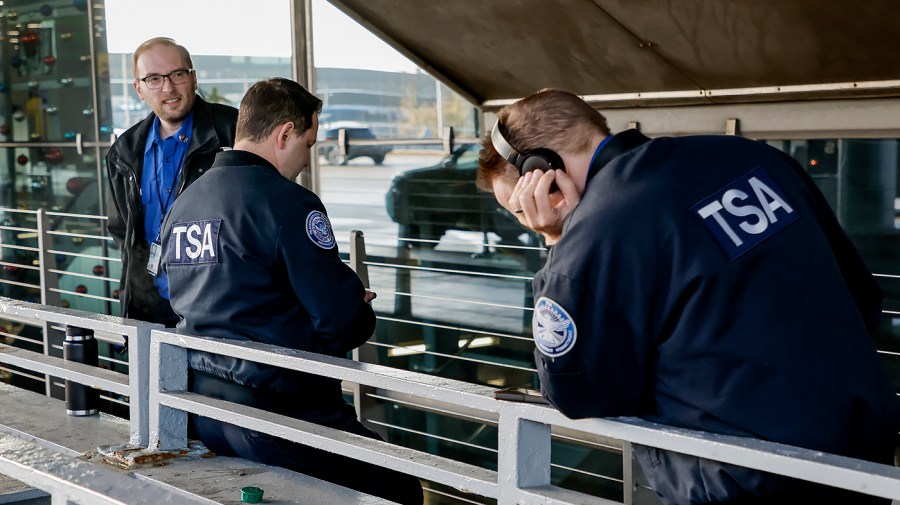
The ongoing funding deadlock affecting the Department of Homeland Security (DHS) has intensified, with lawmakers missing the first payroll deadline for agency employees on October 13, 2023. As the shutdown reaches the two-week mark, the inability to reach an agreement on a budget has left many DHS workers facing reduced paychecks, further complicating their financial stability.
Negotiations have stalled for over a month as congressional leaders grapple with the complexities of funding the agency that oversees critical national security functions. The U.S. Congress is currently at an impasse, debating various proposals while the clock ticks down to the end of the fiscal year.
Impact on Employees and Operations
The effects of the funding impasse are palpable among DHS employees. Many workers have reported anxiety and uncertainty as they navigate reduced pay and the potential for prolonged disruption in agency operations. Essential services, including border security and cybersecurity, remain operational, but the lack of a stable funding source raises concerns about their long-term sustainability.
As lawmakers continue to debate the budget, they are also facing pressure from various stakeholders. Advocacy groups representing federal employees have criticized the situation, emphasizing the need for timely funding to ensure that workers can perform their duties without financial distractions.
Legislative Responses and Future Prospects
In response to the funding crisis, some lawmakers have proposed short-term funding measures to keep DHS operational while longer-term solutions are discussed. However, these proposals have yet to gain traction in a divided Congress, where partisan disagreements over budget priorities complicate the legislative process.
The situation has sparked discussions about the broader implications of funding disputes on national security and public safety. With crucial programs at risk, the urgency of resolving the stalemate has never been more evident. As the shutdown drags on, both sides of the aisle will need to find common ground to prevent further disruption and ensure that the DHS can effectively fulfill its mission.
As the negotiations continue, the focus will be on finding a resolution that prioritizes the essential services provided by the DHS while addressing the needs of its employees. The outcome of these deliberations will significantly impact the agency’s ability to operate effectively in the coming months.