
UPDATE: Former cast members of Saturday Night Live (SNL) are coming forward with alarming allegations of workplace abuse, discrimination, and the intense pressures faced during their time on the iconic show. These revelations shed light on a hidden culture that many have endured behind the scenes.
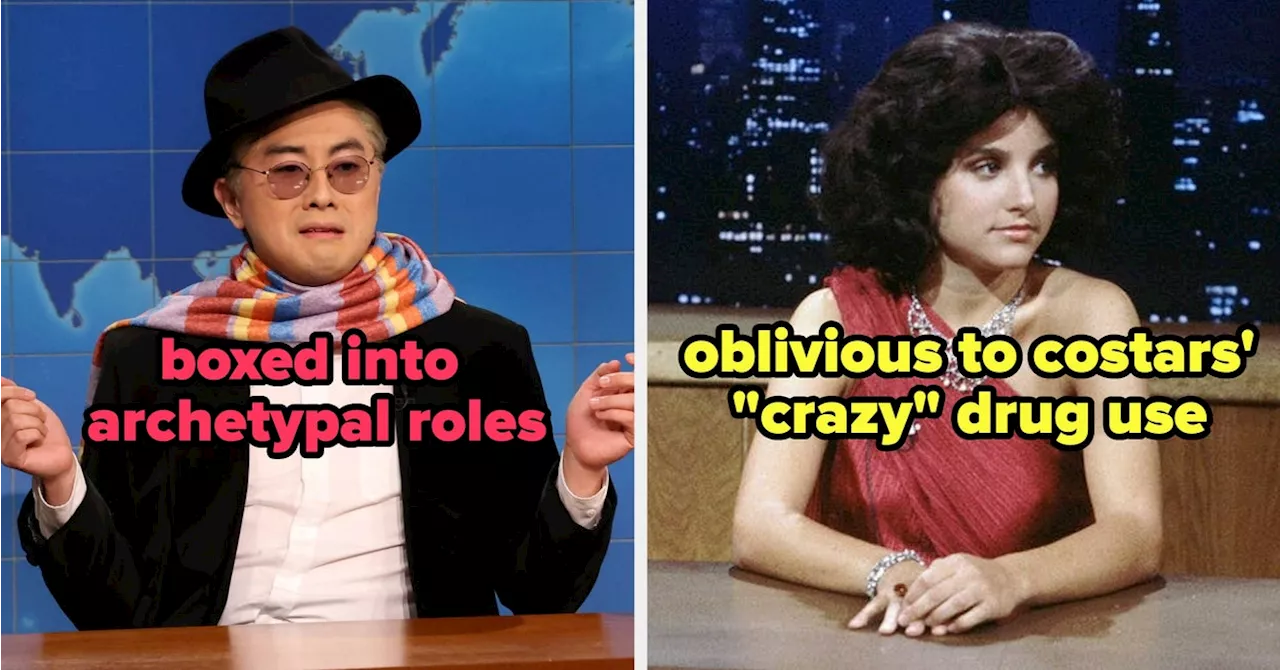
In a series of candid interviews, cast members described their experiences of being typecast and facing limited creative opportunities. One former cast member, Chris Redd, revealed he felt trapped in an “impression box” where he was expected to portray stereotypes rather than showcase his full range of talent. “I knew I was never gonna play the dad or anything generic. They put people into boxes,” he stated, highlighting the struggle for identity in a high-stakes environment.
Others echoed similar sentiments. Abby Elliott, who served on the show from Seasons 34 to 37, shared her battle with anxiety, saying, “Every week was a new week, and your happiness depended on whether you got something on air or not.” The constant threat of being fired loomed large, causing immense stress for cast members.
The emotional toll of the environment was evident in the experiences of Jan Hooks, who described her time at SNL as “the most miserable experience of my life,” likening it to hazing. She remarked, “It takes its toll on you,” illustrating the psychological impact of the grueling schedule and competitive atmosphere.
Behind the scenes, other actors faced serious issues, including substance abuse. Redd admitted to dealing with pill issues while working on the show, highlighting the lack of support from his peers during his struggles. “They wouldn’t help me, you know. Just would talk shit,” he recalled, emphasizing the isolation felt by those dealing with personal challenges.
The issue of representation was also a central theme in these testimonies. Redd expressed his frustration about the lack of diversity, stating, “When I got hired, I was the first Black guy in, like, eight years.” He criticized the show’s historical whiteness and the limitations it imposed on Black performers, stating, “There was gotta be more, or another Black person.”
The allegations extend to physical confrontations as well. Past tensions between cast members, including an altercation between Chevy Chase and Bill Murray, illustrate the show’s volatile environment. Chase confronted Murray in a dressing room shortly before a live broadcast, leading to a physical fight that underscored the intense pressure actors faced.
As these stories unfold, they raise critical questions about the culture at SNL and the broader implications for the entertainment industry. Lorne Michaels, the show’s creator, has been called out for his role in shaping this environment, with former cast members reflecting on how power dynamics influenced their experiences.
The urgency of these revelations cannot be overstated. They highlight the need for change within the industry and provide a voice to those who have felt marginalized and mistreated. As more actors come forward, it’s clear that the conversation about abuse and discrimination in comedy is just beginning.
Fans and advocates alike are encouraged to share these stories and support ongoing discussions about workplace culture in the entertainment industry. With these allegations surfacing now, it is crucial to push for accountability and reform to create a more inclusive and supportive environment for all performers.
This is a developing story, and further updates will be provided as more cast members share their experiences.