
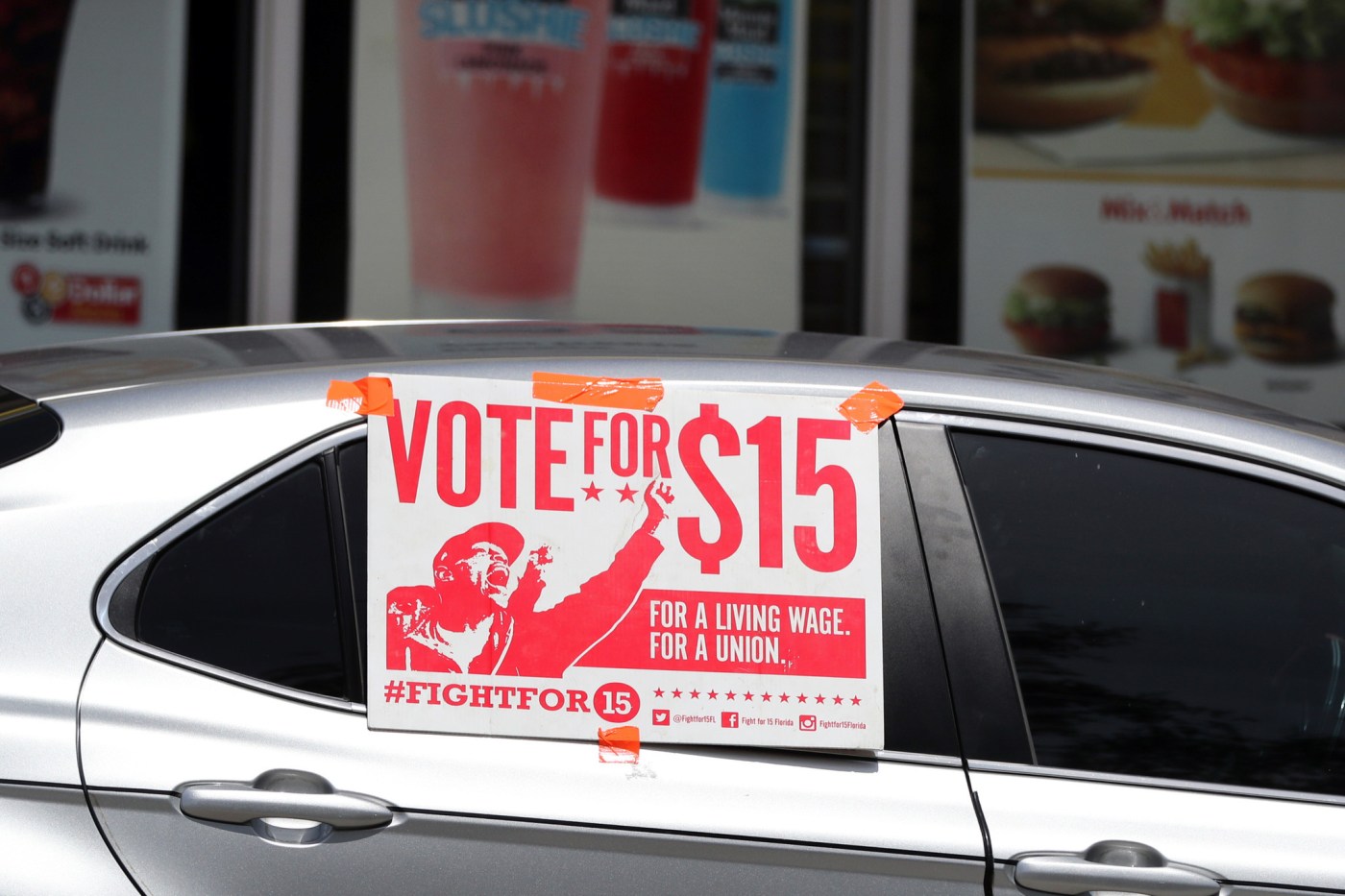
URGENT UPDATE: Florida’s minimum wage is facing a critical threat as the state legislature moves to pass House Bill 221, which could allow significant exceptions to the voter-approved wage laws. This bill comes despite strong opposition from citizens, as over 60% of voters supported the minimum wage amendment in the last election.
Just reported by local activists, the new legislation could undermine the will of the people as Republican lawmakers propose to create loopholes for small businesses. Critics argue this move mirrors past legislative actions that have diluted voter initiatives, including voting rights for ex-felons and environmental protections.
“In the ‘free state of Florida,’ we have freedom as long as it’s what the GOP and its lobbyists say we’re free to do,” stated James Carbone from Fort Lauderdale, highlighting growing frustrations among constituents.
Meanwhile, in Broward County, Commissioner Beam Furr is pushing for a controversial sewage wastewater sludge dryer in west Pompano. This facility, fueled by methane from the Monarch Hill dump, raises serious safety concerns due to the highly flammable nature of methane. Despite requests for transparency over the past eight months, officials have yet to provide crucial details about its location and transportation methods.
Residents of west Pompano, Deerfield Beach, and Coconut Creek are alarmed, especially given the proposed sites near schools and residential areas. Critics warn that the sludge treatment process could introduce harmful contaminants, including carcinogenic PFAs and heavy metals, into the environment.
“If Furr is such a diehard for a sludge dryer, then why not experiment with it in his own home of Hollywood?” questioned Tammy Lettieri of Coconut Creek, expressing community concerns.
Additionally, the influence of money in politics is drawing more scrutiny. Political scientists Martin Gilens and Benjamin Page noted that public influence over policies has drastically diminished, with big donations from Super PACs overshadowing voter preferences. A staggering $4.8 million donation from nursing home executives to former President Trump’s campaign exemplifies how financial power can sway political outcomes.
As the political landscape continues to shift, concerns grow over foreign involvement in U.S. political action committees. While only American citizens can contribute to federal PACs, loopholes allow foreign companies to influence local education systems without limits.
This ongoing situation raises critical questions about the integrity of democratic processes in Florida and beyond. With the legislative session in full swing, residents and activists are urged to stay informed and voice their concerns. The next few days will be pivotal in determining the future of Florida’s wage laws and environmental safety measures.
Stay tuned for more updates as this story develops. The implications for the communities affected and the broader context of political funding are urgent and significant.