
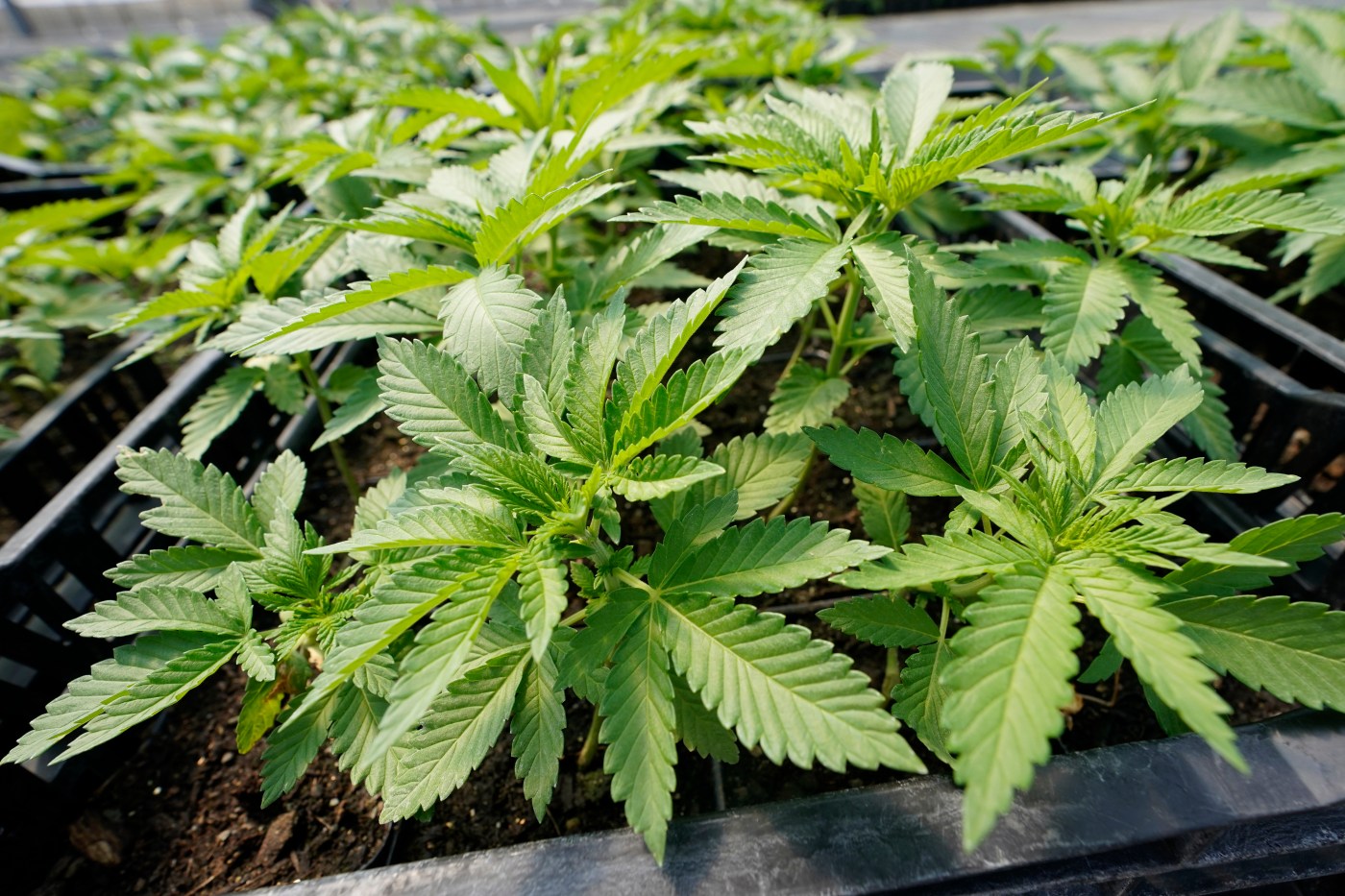
Supporters of a recreational marijuana ballot initiative in Florida are intensifying their legal efforts as they approach a critical deadline of February 1, 2024. The political committee behind the proposal, known as Smart & Safe Florida, has filed a lawsuit against Cord Byrd, the Secretary of State, alleging that his office has failed to comply with state law regarding the reporting of valid petition signatures. This legal action comes as the committee races to gather the required 880,062 valid signatures to qualify for the November ballot.
The lawsuit, submitted in Leon County circuit court on Friday, contends that the number of valid signatures displayed on the state agency’s website has remained stagnant at 675,307 since November 23, 2023. According to the committee, local election supervisors have verified more signatures that have yet to be reflected on the official state website. Smart & Safe Florida claims to have submitted over 1 million signatures to county officials and believes that more than 700,000 have been validated.
Circuit Judge Jonathan Sjostrom acknowledged the urgency of the situation, setting an expedited schedule for the case and requesting additional legal briefs to be completed by the end of the week. The lawsuit highlights the significance of the timely reporting of signature counts, stating that a lack of updated information hampers the committee’s ability to strategize effectively for the campaign.
Legal Disputes Surrounding Signature Validity
The legal battle over the petition signatures is compounded by a separate lawsuit regarding allegations that state election officials improperly invalidated approximately 42,000 signatures from “inactive” voters. Judge Sjostrom’s ruling on Friday indicated that some of these signatures should not have been discarded. However, he also upheld a directive to invalidate nearly 29,000 signatures collected by out-of-state petition gatherers, a decision that both the state and the committee are appealing.
As the litigation unfolds, the Florida Supervisors of Elections association is facing challenges in managing the numerous changes and directives from Byrd’s office, particularly concerning the validation process. David Ramba, executive director of the association, expressed concerns about the inconsistencies stemming from ongoing court cases and changing interpretations of the law.
The DeSantis administration, which previously opposed a similar marijuana initiative in 2024, remains steadfast against the current proposal. James Uthmeier, the Attorney General, announced a significant escalation in investigations into potential fraud related to the signature-gathering process. His office launched 46 new criminal probes and issued four subpoenas aimed at uncovering possible fraudulent activities by petition circulators associated with Smart & Safe Florida.
Uthmeier’s office reported troubling findings, noting that around 50 petition circulators submitted 14,500 petitions that raised significant concerns. Among these, 7,100 petitions had been validated by county election officials. In recent months, several circulators have faced arrests or warrants, with expectations of further actions in the near future.
Ongoing Challenges and Future Implications
The committee has defended its practices, stating that it has adhered to state law by reporting any discrepancies it discovers during the petition process. Smart & Safe Florida has asserted its commitment to maintaining the integrity of the petition campaign while urging state officials to apply equal scrutiny to concerns surrounding the $10 million Hope Florida assistance program, which is also under investigation.
As the February 1 deadline looms, the Florida Supreme Court is expected to review the proposed constitutional amendment’s compliance with ballot placement requirements on February 5, 2024. This upcoming decision could significantly impact the future of recreational marijuana use in Florida, as supporters and opponents alike brace for the outcomes of both the legal disputes and the broader public sentiment surrounding the initiative.
With heightened tensions and legal complexities, the outcome of this campaign could have lasting implications not only for the state but also for the broader conversation around marijuana legalization in the United States.