
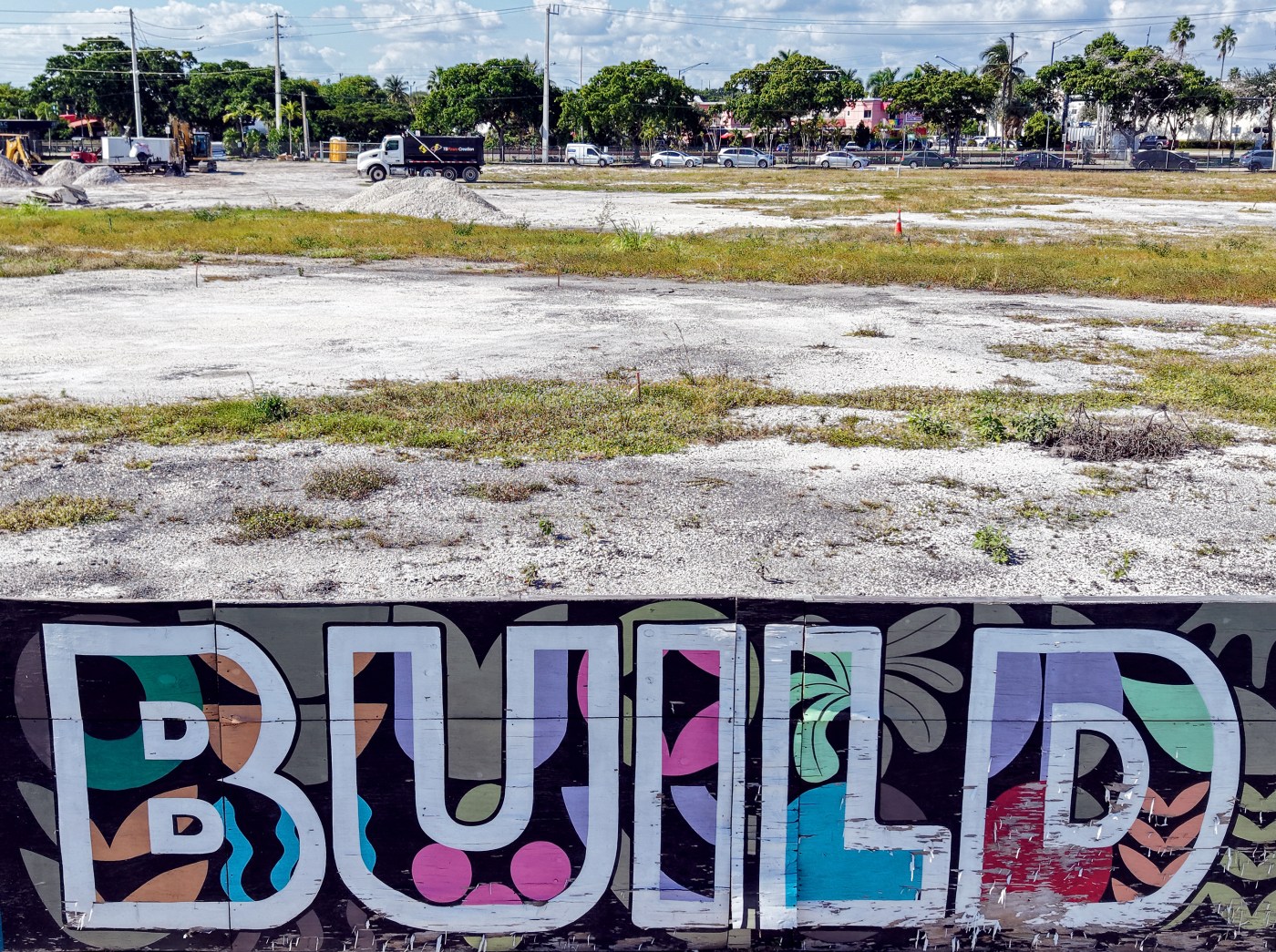
In a significant move that has drawn criticism, Florida lawmakers passed Senate Bill 180 last year, effectively halting local communities’ ability to plan for their futures. Framed as a response to hurricane recovery, the legislation imposes strict limitations on local governments’ capacity to amend comprehensive plans and land-use regulations. This has left communities unable to effectively tackle pressing issues such as rising housing costs, infrastructure challenges, flooding risks, and the preservation of rural character.
As a result of SB 180, decisions made after August 2024—which were shaped by years of public input—are now considered invalid. Additionally, pending decisions are frozen until October 2027, creating a significant planning vacuum across the state. With the 2026 legislative session drawing near, lawmakers are at a crossroads: they can either rectify this situation or allow it to persist as the new status quo.
Potential Solutions on the Table
The Senate has taken some steps to address the issue. Senate Bill 840, which has passed two of three committees, aims to restore limited planning authority to local governments following future storms. While this bill does not completely reverse the harm caused by SB 180, it does provide communities with a chance to address emerging challenges and adapt to changing conditions.
Conversely, the House of Representatives has shown little enthusiasm for advancing a companion bill, and with each passing week, the opportunity for action diminishes. Should this inaction continue, the planning freeze established by SB 180 will remain, not due to its effectiveness, but as a result of legislative indifference.
This situation raises serious questions about the direction Florida is heading. Local planning is not merely a bureaucratic exercise; it is essential for guiding where homes are built, how infrastructure is funded, and how flood risks are managed. When local planning authority is stripped away, communities lose not only flexibility but also accountability to future residents.
The Broader Implications
At the same time that the Legislature has curtailed local planning authority, it has increasingly criticized cities and counties for failing to address issues such as affordable housing, traffic congestion, and growth pressures. Local governments are being held responsible for problems they are no longer permitted to solve, reflecting a troubling contradiction.
This contradiction is indicative of a broader trend in Tallahassee, where land-use power is being consolidated at the state level, often disregarding local decision-making and public participation. This year, SB 840 exists within a larger framework of legislation that would further undermine community planning across Florida.
Other bills, including SB 948 and HB 1143, known as the Florida Starter Homes Act, would prevent local governments from enforcing land-development regulations, effectively imposing a one-size-fits-all zoning mandate for residential areas. Additionally, bills like SB 354 and HB 299, labeled the “Blue Ribbon” bills, threaten to centralize development decisions at the state level, eliminating meaningful local review and public input.
These legislative moves signal a clear trend: decisions about growth and development are increasingly being made far from the communities they impact. Local leaders are left to manage the consequences of these decisions—strained roads, rising taxes, flooding neighborhoods, and the loss of vital land—while having fewer tools at their disposal.
Florida has witnessed this trajectory before. Years of unchecked sprawl have resulted in taxpayers bearing the costs of extensive infrastructure expansions, while natural ecosystems and agricultural lands have diminished rapidly. Community planning and growth management policies were implemented not to hinder Florida’s progress, but to ensure that development is fiscally responsible, environmentally sound, and in line with public values.
Senate Bill 180 reversed this critical logic. In contrast, SB 840 represents a modest yet meaningful opportunity to restore balance by reaffirming the principle that communities are best equipped to understand and plan for their own needs through transparent and accountable processes.
Should the Legislature refuse to advance SB 840, it would indicate a willingness to dismantle the planning system without any intention of repairing it. Florida’s challenges related to growth, housing, and resilience are real, but they cannot be adequately addressed by sidelining local governments. If lawmakers are genuinely committed to responsible growth, it is imperative that the House acts on SB 840 before the session concludes.
Haley Busch serves as the communications and outreach director for 1000 Friends of Florida, a not-for-profit organization dedicated to preserving special places and enhancing community development across the rapidly growing state. For more information, please visit www.1000fof.org.